







More Than Just One Kick
First, let's get the terminology straight. A 'penalty kick' during the regular 90 minutes of a match is a punishment for a foul in the penalty box. It’s a high-leverage moment, but it's part of the game's flow. A 'penalty shootout' is something else entirely.
It happens after 120 minutes of grueling play, including extra time, when two teams are still tied in a knockout match. It isn't soccer anymore; it’s a separate, high-stakes psychological drama to decide a winner. The players are exhausted, their legs are heavy, and the entire tournament comes to a dead stop to watch this one-on-one duel, repeated five times over. The context isn't just a chance to score a goal—it's the only thing left that matters.
The Longest Walk in Sports
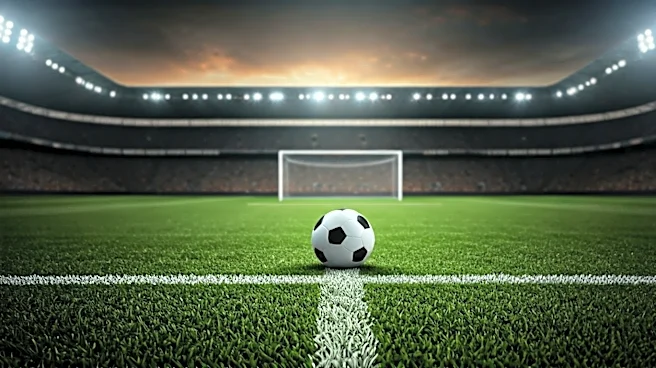
The complication begins with what players call 'the long walk.' The chosen kicker has to walk from the halfway line, all alone, to the penalty spot. It's maybe 50 yards, but it feels like a mile. During this walk, the player has too much time to think. They’re no longer a member of a team but an isolated individual with the hopes and fears of a nation resting on their shoulders. The roar of the crowd fades into a focused hum. They think about the goalkeeper, who suddenly looks gigantic. They think about the millions watching on TV. They think about the shame of missing, the glory of scoring. This isn't a physical journey; it's a mental gauntlet designed to break even the strongest wills.
The Goalkeeper's Guessing Game
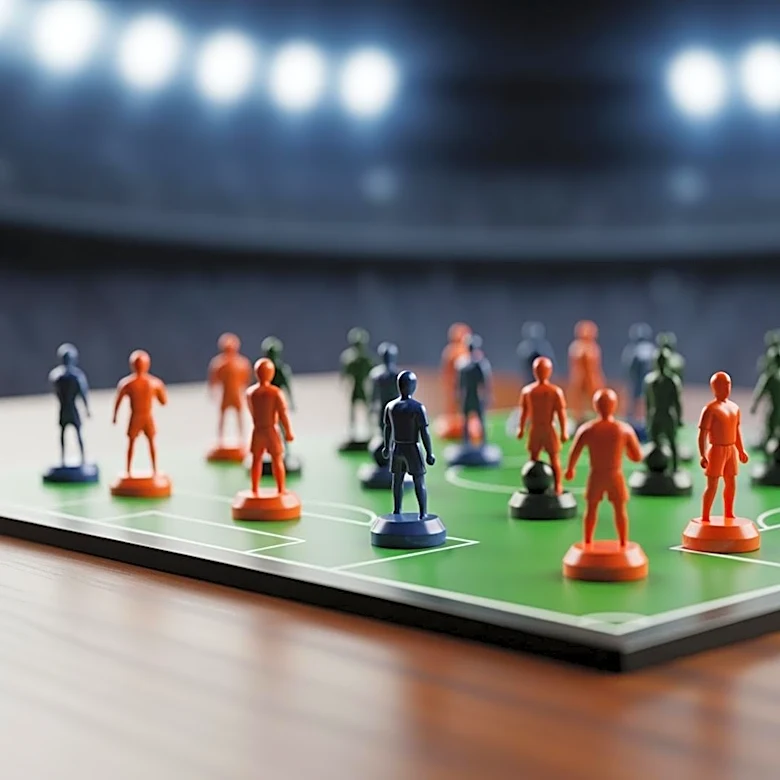
While the kicker is having an internal crisis, the goalkeeper is playing a different game—one of statistical probability and psychological warfare. A penalty kick travels towards the goal in less than half a second. It's physically impossible for a keeper to wait, see where the ball is going, and then dive to save it. They must guess. They have to commit to diving left or right before the ball is even struck. To gain an edge, keepers now use data—spreadsheets and videos showing a kicker's tendencies. They also use mind games: pointing, dancing on the line, or staring down the kicker to plant a seed of doubt. Their job isn’t to save every shot; it’s to save just one more than the opposing keeper, making them the ultimate disruptors.
The Science of Choking
When a world-class athlete, who can curl a ball into the top corner from 30 yards in practice, suddenly skies a penalty over the bar, it’s not a failure of skill. It’s a failure of the brain under pressure. Psychologists call it 'choking,' where intense anxiety causes the brain to switch from its automatic, trained motor functions to conscious, deliberate thought. The player starts overthinking the simple act of kicking a ball. Their fluid, natural motion becomes rigid and mechanical. They focus on the outcome ('I can't miss this') instead of the process ('keep my head down, strike through the ball'). This is why some of the world's greatest players—Roberto Baggio, Lionel Messi, Cristiano Ronaldo—have all missed crucial penalties. The pressure is a great equalizer.
The Weight of History
Finally, no penalty exists in a vacuum. It’s weighed down by decades of history. For a team like Germany, shootouts are a source of national pride and confidence. For England, they were, for decades, a national trauma, a curse they couldn't seem to break. When a player steps up, they are not just taking a kick for themselves or their current team; they are battling the ghosts of tournaments past. They know that this one kick could define their career, turning them into a national hero or an eternal scapegoat. That historical baggage adds an invisible, but immense, layer of pressure that turns a simple kick into a legacy-defining act.