


An Unlikely Rebel
To picture Alec Guinness losing his composure is difficult. Knighted for his services to the arts in 1959, he was known as a master of disguise, an actor who disappeared into his roles, from the eight different D'Ascoyne family members in Kind Hearts
and Coronets to the quietly brilliant George Smiley in Tinker Tailor Soldier Spy. His colleagues described him as a poet of anonymity, a craftsman who built his characters with meticulous precision. This reputation for control and dedication makes the moments he reached his breaking point all the more fascinating. They weren't tantrums but declarations of artistic integrity from a man who took the work more seriously than almost anyone.
Clash of the Titans on the River Kwai
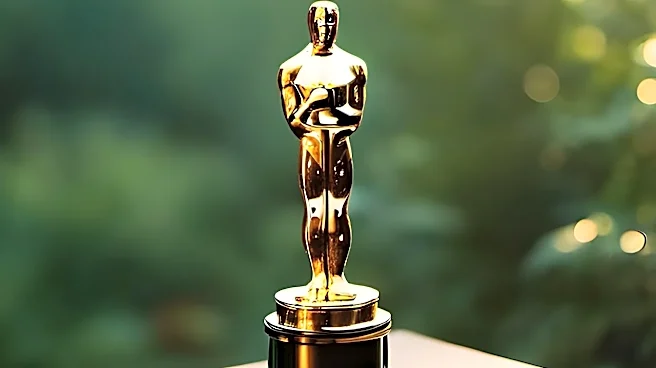
The first major incident occurred during the grueling 1956 production of The Bridge on the River Kwai in the jungles of Ceylon (now Sri Lanka). The conflict was with another titan of British cinema: director David Lean. Guinness, primarily known for his comedic roles at the time, was cast as the rigid Colonel Nicholson. He found the character humorless and unsympathetic and wanted to inject some wit to make him more palatable. Lean was vehemently opposed, insisting the role be played absolutely straight. The tension escalated. Guinness felt Lean hadn't even wanted him for the part, a suspicion Lean confirmed upon the actor's arrival by stating his first choice had been Charles Laughton. The disagreements over the character's soul festered, with Lean pushing for more overt emotion and Guinness aiming for a stiff-upper-lip subtlety. At one point, the friction became so intense that Guinness walked off, later writing that he felt like getting back on the plane and paying for his own ticket home. He did return, however, and channeled his frustrations into the performance. The result was a masterclass in layered complexity, a portrayal of tragic obsession that earned him the Academy Award for Best Actor and cemented his international stardom.
A Disturbance in the Force
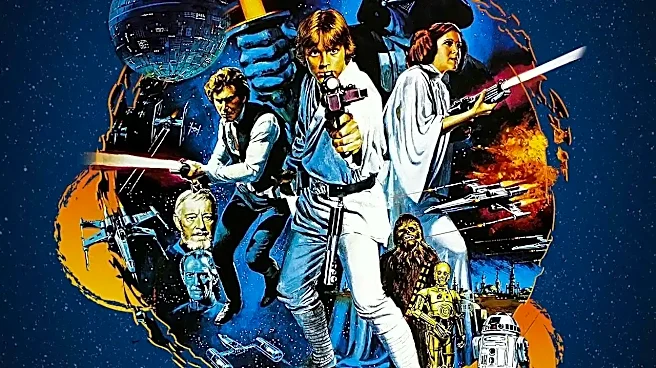
Two decades later, Guinness found himself on another difficult set, this time for a film he openly described to friends as "fairy-tale rubbish." The movie was Star Wars. His primary grievance wasn't with the director, George Lucas—whom he respected for American Graffiti—but with the dialogue. In letters, he complained that the "rubbish dialogue" arrived daily on pink paper, and that none of it made his character, Obi-Wan Kenobi, "clear or even bearable." Beyond the script, he found the shoot tedious and felt disconnected from his younger co-stars. While this didn't culminate in a dramatic walk-off like on Kwai, Guinness confessed in a 1999 interview that he was the one who suggested Obi-Wan be killed off. His stated reason to Lucas was that it would make the character stronger. His private reason? "I just couldn't go on speaking those bloody awful, banal lines," he admitted. "I'd had enough of the mumbo jumbo." He came back stronger in a different way. His gravitas lent the film a crucial sense of legitimacy, and his shrewd negotiation for 2% of the film's royalties turned a role he disdained into a source of lifelong financial independence, freeing him from ever having to take a job he didn't believe in again."