



The Avalanche of Pressure
A penalty shootout isn’t a lottery; it’s a test of nerve, and the pressure isn’t distributed evenly. While conventional wisdom might focus on the team kicking second always playing catch-up, the real psychological pivot happens after the first failed
attempt, regardless of which team it belongs to. Studies and historical data show that the team that misses first is overwhelmingly more likely to lose. One analysis found that a team's chances of winning can drop to as low as 9.5% if they are the first to miss. Suddenly, what was a test of skill becomes a desperate struggle against a wave of negative momentum. For the player who missed, the walk back to the halfway line is a lonely one. For his teammates, a seed of doubt is planted. For the opposition, it’s a shot of pure adrenaline.
The Tale of Two Goalkeepers
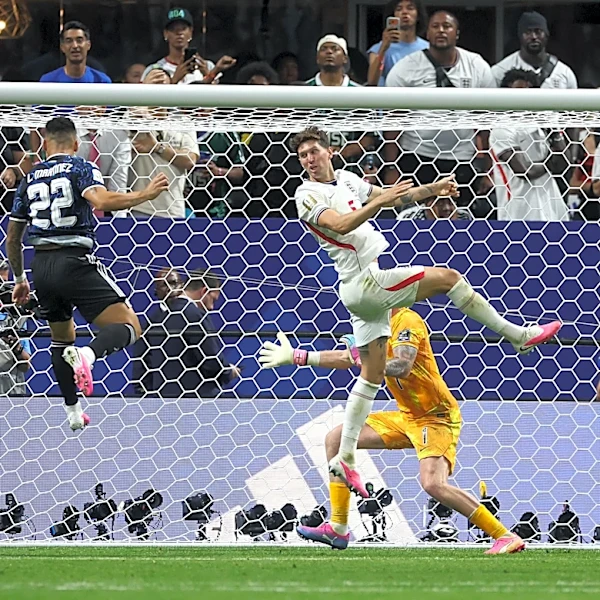
The first miss completely reframes the job for both goalkeepers. The keeper who just watched the ball fly wide or made the save is instantly emboldened. They've broken the rhythm and proven the opposition is fallible. They can employ more mind games, project more confidence, and force subsequent kickers to second-guess themselves. Research shows that goalkeepers already benefit from low expectations—they're only expected to save about one in four shots—so any save is a bonus. After the first miss, one keeper is playing with house money while the other is suddenly under a microscope. Every goal conceded feels heavier, and the perceived need to make a heroic save becomes immense. This can lead to the "action bias," where keepers feel compelled to dive even when statistics show standing still gives them a surprisingly good chance of making a save on shots aimed down the middle.
It's All in Their Heads
The success rate for penalties in a shootout (around 76%) is already lower than during regular gameplay (around 85%), purely because of the amplified pressure. When a player knows that missing could lead to elimination, that success rate plummets to below 60%. That's the environment created by the first miss. The next player up for the trailing team isn't just taking a penalty; they're trying to stop the bleeding. Psychologists call it "emotional contagion." The anxiety from one player's failure can spread through the team, causing others to overthink actions that should be automatic. Instead of relying on muscle memory, they consciously monitor their run-up and foot placement, a state that mimics the mindset of a novice and often leads to a poorly taken kick.
A World Cup Final Rewritten
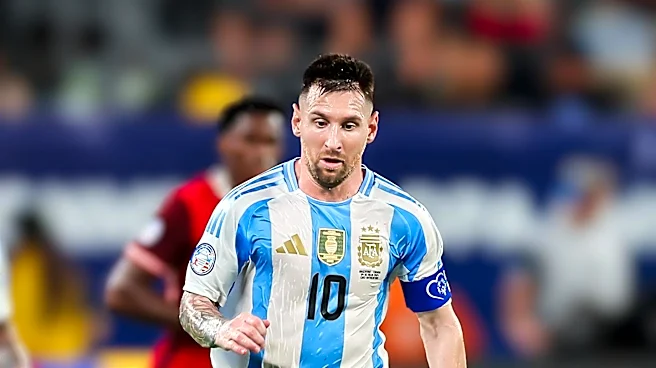
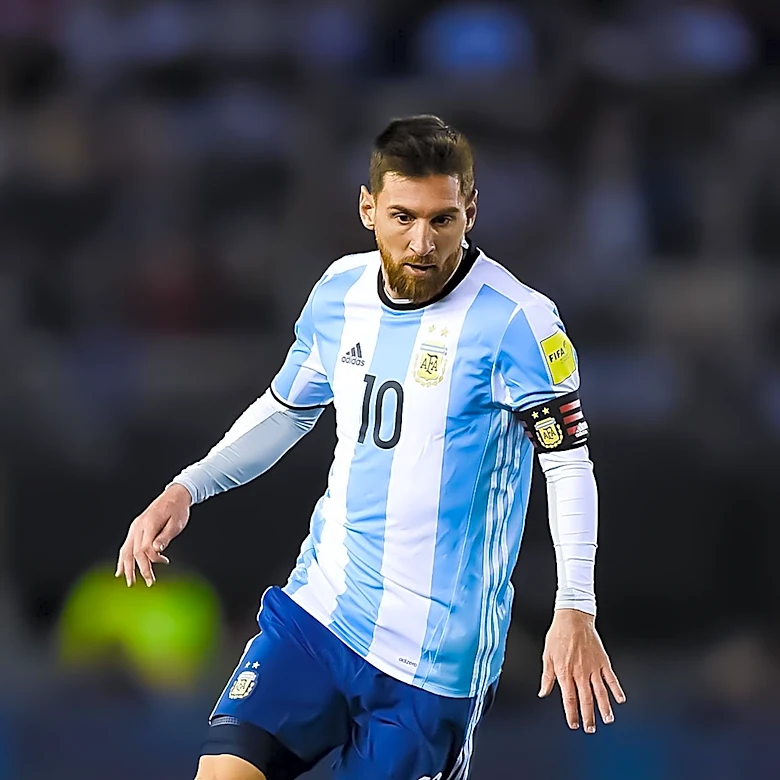
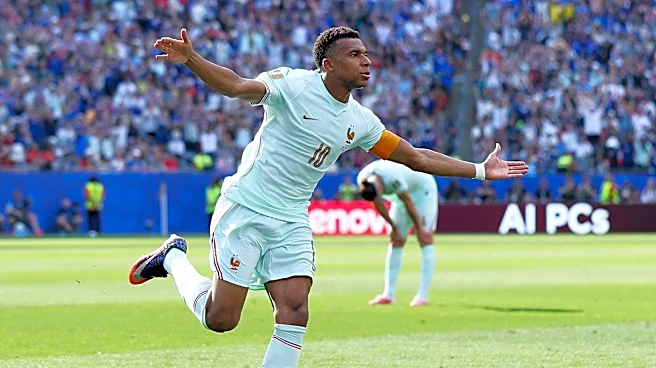
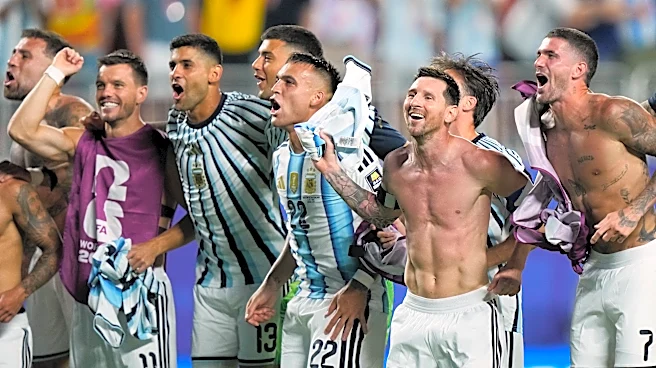
For a perfect, painful example, look no further than the 2022 World Cup Final. After a legendary 3-3 draw, Argentina and France went to penalties. Argentina’s Lionel Messi and France's Kylian Mbappé both calmly converted their opening kicks. The mood was tense but balanced. Then, Argentina’s goalkeeper, Emi Martinez, saved Kingsley Coman’s shot for France. In that single moment, the entire emotional landscape of the shootout shifted. The pressure, once shared, was now squarely on France’s shoulders. The very next French player, Aurélien Tchouaméni, dragged his shot wide of the post entirely. No heroic save was needed; the psychological weight of the previous miss had done the work. Argentina's players, meanwhile, appeared energized, celebrating their successful kicks with a confidence that seemed to drain their opponents. The first miss had become a fatal crack in France's composure, and Argentina never looked back.