


The Gentle Genius of Plopping
If you’ve seen someone walking around with a t-shirt wrapped like a turban on their head, you’ve witnessed a classic curly technique in action. It’s called “plopping,” and its brilliance lies in its simplicity. After washing and applying styling products,
you flip your wet hair forward onto a flat cotton t-shirt or microfiber towel, then wrap the fabric to secure it. This method works by absorbing excess water without the rough, frizz-inducing friction of a traditional terrycloth towel. Plopping allows curls to dry in their natural, scrunched-up pattern, enhancing definition and preventing the water weight from stretching them out. It’s a low-effort, no-heat technique that has been passed down through curly communities long before it became a social media trend, prized for the bouncy, defined results it delivers.
The Controlled Power of Diffusing
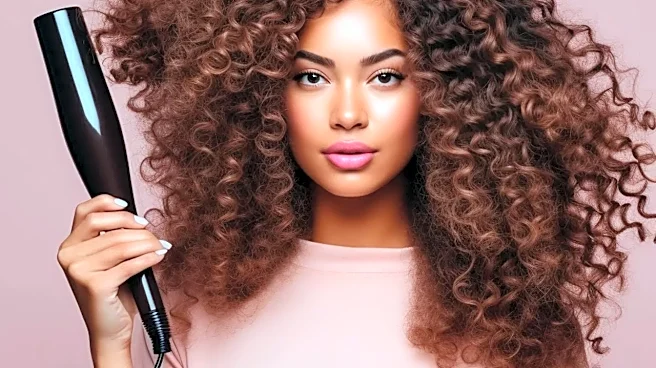
The standard blow dryer is often the enemy of curls, blasting them into a frizzy, undefined cloud. The diffuser attachment, however, is its friendly counterpart. This bowl-shaped tool disperses the dryer’s airflow, allowing for a gentler drying process that doesn’t disrupt the curl pattern. By cradling sections of hair in the diffuser bowl and using low heat and low speed, you can dry your hair efficiently while encouraging volume at the root and definition through the ends. Unlike air-drying, which can sometimes lead to flat roots, diffusing gives the user control, helping to set styling products and achieve a polished, voluminous look without the damage of direct, high-heat styling. It’s a purposeful method that respects the hair’s texture.
Air-Drying as an Intentional Art
For many, air-drying is a passive act—simply waiting for nature to take its course. But in the curly world, it’s an intentional process. The key difference is product. After washing, curly hair is coated with gels, creams, or mousses that form a protective “cast” as the hair dries. This cast locks in the curl pattern and prevents frizz from forming. Once the hair is completely dry, the crunchy cast is gently scrunched out, revealing soft, defined curls that hold their shape. This method requires patience but is the ultimate expression of working with your hair’s natural texture, not against it. It’s a testament to the idea that the right technique, even a seemingly simple one, can yield superior results.
Why Techniques Endure While Trends Fade
So why have these methods outlived countless fads like the “Snooki pouf,” severe side-swept bangs, or overly polished, heat-styled curls? The answer is simple: curly drying techniques are based on hair science and self-acceptance. They don’t fight the hair’s natural state; they enhance it. Trends often demand we alter our hair to fit a fleeting ideal—straightening, crimping, or coloring it into submission. These curly methods, on the other hand, are about understanding the hair's structure and needs. They are rooted in a movement of embracing natural texture, a philosophy that has deep cultural significance, particularly within the Black community where natural hair is a symbol of identity, pride, and resistance to Eurocentric beauty standards. Plopping, diffusing, and intentional air-drying aren’t about conforming to a trend; they are acts of care and empowerment.