

The Art of the Rollercoaster
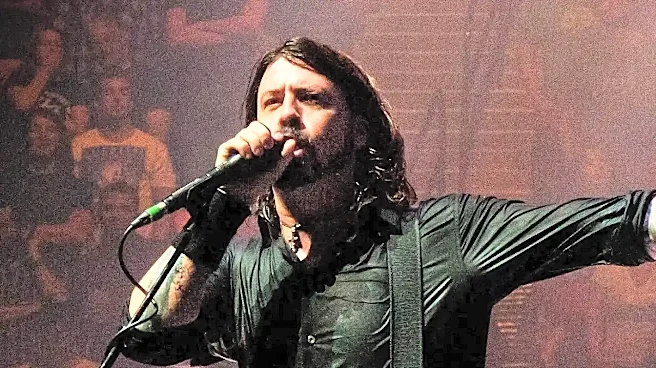
A Foo Fighters show is a marathon, not a sprint, and the band builds their setlists with the care of seasoned storytellers. Frontman Dave Grohl has openly described his setlist philosophy as a “rollercoaster” designed to have its ups and downs. This isn't
about randomly shuffling through their extensive catalog; it's a calculated effort to manage the energy of a crowd for over two hours. Recent setlists from their 2026 tours show a clear pattern: start fast, create dynamic shifts in the middle, and build to an overwhelming crescendo. The process involves mapping out songs on whiteboards, categorizing them by era and energy—from singles and deep cuts to new tracks and covers—to ensure every phase of the band’s career is represented while serving the show's emotional arc.
An Explosive Start and a Thoughtful Middle
Foo Fighters typically ignite their shows with a high-octane opener. Songs like "All My Life" or "Bridge Burning" are often deployed early to immediately unify the audience with a blast of familiar, raw energy. This initial burst is crucial at a festival, where a band has to win over not just their dedicated fans but thousands of casual listeners. Following that opening salvo, the band intentionally brings the pace down. This middle section is where they introduce newer material, dust off beloved deeper cuts, or shift into a more intimate, sometimes acoustic, arrangement. This dynamic shift prevents audience burnout and creates space for more personal moments, like Grohl’s frequent dedications or storytelling, making a massive stadium feel surprisingly intimate.
The Communal Catharsis Engine
The final third of a Foo Fighters set is where the magic of "communal release" truly happens. This is the calculated ascent, where the band stacks anthem after anthem—“The Pretender,” “Best of You,” “My Hero,” “Learn to Fly”—unleashing a relentless wave of songs that an entire stadium can scream back at them. This portion of the show is less a performance and more a shared ritual. Grohl, acting as master of ceremonies, harnesses the crowd's energy, transforming tens of thousands of individual voices into a single, unified force. It’s a loud, sweaty, and profoundly collective experience built on lyrics of resilience and perseverance, providing a powerful emotional outlet for everyone in attendance.
The Unspoken Rules of the Encore
By the time the encore arrives, the heavy lifting is done. The band often returns with poignant tracks, such as dedicating "Aurora" to their late drummer Taylor Hawkins, a moment that provides a shared, tender reflection amidst the noise. The night almost invariably concludes with "Everlong." Grohl has stated it's the one song he knows they absolutely have to play. Its placement is strategic; it serves as the final, emotional exhalation after a three-hour journey. The song itself, with its pulsing rhythm and themes of enduring connection, becomes the perfect summary of the night's experience—a final, unifying moment between the band and their audience before the house lights come up.