




The Promise of the Spectacle
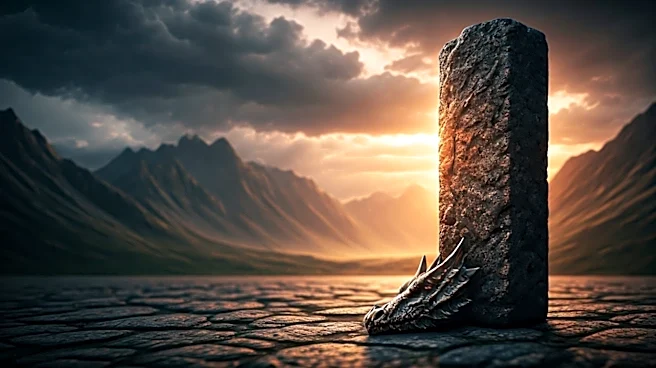
Let’s be clear: no one is kicking a dragon out of bed. The raw, visceral thrill of seeing a beast the size of a cathedral turn an army to ash is a core part of the appeal. From Daenerys Targaryen’s fiery liberation of Slaver's Bay to the terrifying aerial
duels of the Dance of the Dragons, these moments are the explosive payoff we’ve been promised. They are the punctuation marks at the end of long, tense sentences. The VFX budget is on the screen, and it is glorious. These scenes provide a primal satisfaction, a sense of awe and scale that grounds the fantasy in something tangible and terrifying. They are the moments that generate memes, GIFs, and breathless Monday morning recaps. To deny their power would be dishonest.
The Engine Room of the Story
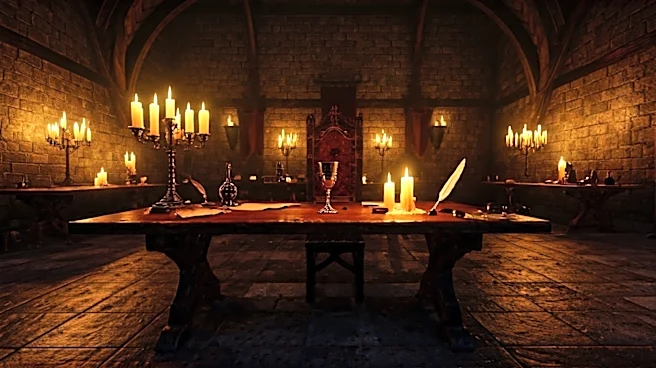
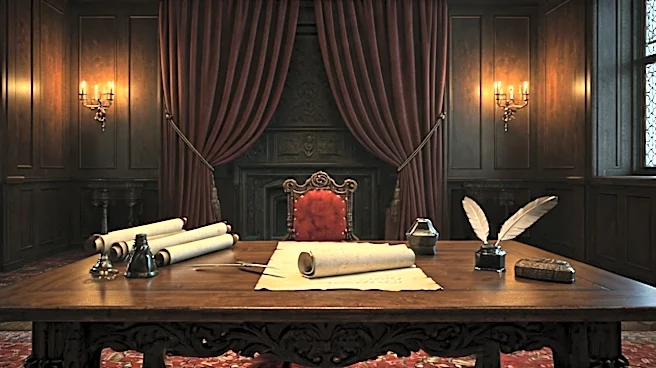
But the battles are not the story itself; they are the consequences of it. The real narrative engine hums quietly in candlelit chambers, in whispered conversations down stone corridors, and across the polished wood of the Small Council table. This is where the stakes are forged. Every dragon fight in *House of the Dragon* is ultimately the result of a simmering resentment that began at a feast, a misinterpreted dying wish, or a subtle power play between a queen and a princess. The political intrigue isn't just a slow-burn alternative to the action; it's the complex, character-driven machinery that makes the action matter. Without the years of Alicent Hightower’s growing piety and paranoia, or Rhaenyra Targaryen’s struggle against a patriarchal system, a dragon battle is just an expensive, empty light show. The intrigue provides the 'why' that makes us grip the armrest when the 'what' finally happens.
Character Over Carnage
More importantly, the quiet scenes are where we truly get to know the characters. A dragon is a weapon of mass destruction, a force of nature. It doesn’t reveal its rider’s soul, only their power. But a tense negotiation? A carefully worded threat veiled as a compliment? A pained silence between former friends? That’s where character is laid bare. Think of the masterful quiet of Lord Varys or the serpentine logic of Littlefinger in *Game of Thrones*. Their power wasn't in a sword arm but in the information they held and the words they chose. We learned more about Otto Hightower from his relentless manipulation of his daughter than we could from a hundred battlefield commands. These scenes demand more from the actors and writers, replacing the spectacle of CGI with the far more intricate spectacle of human ambition, fear, and desperation. The dialogue is the duel.
The Power of a Shared Glance
*House of the Dragon* is perhaps the ultimate case study for this preference. For much of its first season, the most significant conflicts were fought with side-eyes and seating arrangements. The true drama wasn’t a potential war but the unbearable tension of a family dinner where everyone present had a reason to murder someone else at the table. The moment Alicent arrived at a royal wedding wearing green—a declaration of war broadcast through fashion—was as impactful as any dragon’s roar. This is storytelling that trusts its audience to understand subtext, to feel the weight of history in a single loaded phrase. It rewards attention, turning viewers into active participants who are decoding motives and anticipating betrayals, rather than passive consumers of carnage.