


What Exactly Is a Clarifying Shampoo?
Think of clarifying shampoo as a deep-cleaning detox for your hair. While your everyday shampoo is designed for gentle, regular maintenance, a clarifying formula acts like a reset button. It contains stronger cleansing agents, sometimes called surfactants
or chelating agents, that are specifically formulated to cut through and remove stubborn residues that normal shampoos leave behind. This includes everything from styling product buildup (like waxes, silicones, and hairsprays) to mineral deposits from hard water, chlorine from the pool, and even excess natural oils. The goal isn’t to replace your daily wash, but to give your hair a truly fresh start when it needs it most.
Signs You Might Need a Hair Reset
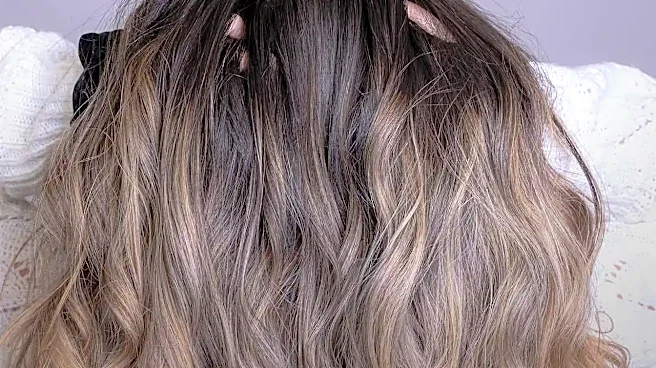
How do you know if you're a candidate for clarifying? Your hair will send some clear signals. The most common sign is a persistent dullness or lack of shine, even when you use shine-enhancing products. Your hair might feel heavy, limp, or weighed-down at the roots, refusing to hold a style. Another major clue is hair that feels greasy, sticky, or waxy shortly after you've washed it. You might also notice an itchy scalp or small, white flakes that aren't dandruff but are actually bits of product residue. If your once-reliable conditioners and treatments seem to have stopped working, it's often because a layer of buildup is preventing them from penetrating the hair shaft.
The Right Way to Clarify (and How Often)
Using a clarifying shampoo is simple, but moderation is key. Overuse can strip your hair of its natural, healthy oils. For most people, clarifying once or twice a month is plenty. However, if you use a lot of styling products, swim frequently, or have very oily hair, you might benefit from using it weekly. Those with dry, curly, or color-treated hair should stick to a monthly routine. When you do clarify, focus the shampoo on your scalp, massaging it in thoroughly to break down oils and buildup before working it down the lengths of your hair. The most crucial step is what comes after: always follow up with a hydrating conditioner or a deep-conditioning mask. This replenishes the moisture that the deep cleanse removes, leaving your hair balanced, soft, and genuinely clean, not stripped.
A Word of Caution for Colored Hair
There's a myth that clarifying shampoo is a definite no for color-treated hair, but that's not entirely true. While aggressive formulas can cause some color to fade, many modern clarifying shampoos are formulated to be color-safe, often by being sulfate-free. In fact, by removing dulling mineral and product buildup, a gentle clarifying wash can sometimes make your color appear more vibrant. The trick is to choose a product that explicitly states it's safe for colored hair and to use it sparingly—no more than once or twice a month. It’s also wise to wait at least a week after a fresh color appointment before clarifying to allow the dye to fully set.
So, Why the Salon Silence?
If it's so useful, why isn't your stylist constantly recommending it? There are a few reasons. First, the risk of overuse is real. A stylist might hesitate to recommend a powerful product that, if used incorrectly, could leave a client with dry, brittle hair, leading them to blame the salon. They might also prefer to perform in-salon detox treatments, which offer a more controlled and professional result. Furthermore, some stylists may advise using a clarifying shampoo right before a color or chemical service to ensure the hair is perfectly prepped, but not necessarily for regular at-home use. Ultimately, it's a potent tool that requires a bit of user knowledge, which is why it often remains an 'insider' secret rather than a front-and-center recommendation.