



More Than Just Switching Shots
To the casual viewer, it’s a seamless flow of images. But in the production truck of a live variety special, every single camera cut is a decision weighed with artistic and narrative intent. This is the director's 'cutting strategy,' a philosophy that
dictates the rhythm, pace, and emotional arc of a broadcast. It’s less about simply showing the action and more about making the audience feel it. Does the director hold a tight close-up to build tension? Cut rapidly between the artist and the crowd to create a surge of energy? Or use a slow, sweeping crane shot to establish a moment's grandeur? These choices separate a good show from an unforgettable one, and it's this mastery of visual language that Emmy voters, who are industry peers, consistently reward.
Case Study: A Super Bowl Halftime Masterpiece
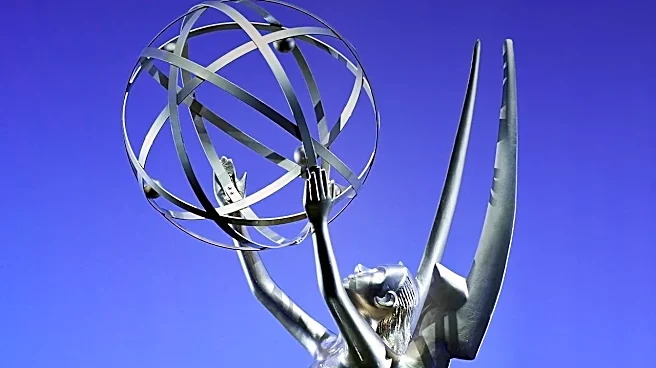
Look no further than the recent Creative Arts Emmys for proof. Hamish Hamilton took home the award for Outstanding Directing for a Variety Special for his work on “The Apple Music Super Bowl LX Halftime Show Starring Bad Bunny.” The 13-minute spectacle was a masterclass in controlled chaos, and the camera strategy was central to its success. The show reportedly dominated the first night of the awards, snagging seven Emmys in total, including Outstanding Variety Special (Live). Hamilton’s direction guided viewers through intricate choreography and massive set pieces without ever losing the magnetic presence of the star. Cuts were often timed to the beat, turning the camera itself into a percussive instrument. By knowing when to go wide to show the scale and when to push in for an intimate, sweat-drenched close-up, the direction built a narrative of escalating energy that captivated millions.
The Director as Conductor
Think of the director of a live special as the conductor of an orchestra. The cameras are their instruments, each offering a different tone and perspective. A director like Glenn Weiss, a frequent nominee and winner in variety special categories, is renowned for an ability to orchestrate these elements flawlessly under pressure. The cutting strategy is the musical score. It determines the tempo—frenetic for a rock anthem, languid for a ballad. It controls the dynamics, building from a quiet moment on a single face to a roaring crescendo of a stadium-wide shot. This musicality is crucial. A poorly timed cut can ruin a joke's punchline, sap the energy from a dance number, or break the emotional connection a singer is building with the audience. But a perfect cut can amplify every note and every move.
Why This Craft Earns the Gold
In an era of endless content, the technical arts are what distinguish premium, event-level television. The Television Academy has long recognized this by awarding categories for directing, lighting, and technical direction. When a director like Yvonne De Mare wins for her work on the final episode of “The Late Show With Stephen Colbert,” it's a nod to the immense skill required to helm a show night after night, let alone during a high-stakes finale. For variety specials, the challenge is even more acute. There are no second takes. The director's camera-cutting strategy is performed live, a high-wire act without a net. It is this combination of artistic vision and flawless technical execution that resonates with voters and defines Emmy-worthy programming.