




From Practicality to Privilege
Long before it was a style choice, the straw hat was a piece of essential equipment. For centuries, laborers in fields from Europe to ancient Egypt wore wide-brimmed straw hats for the simple, practical reason of sun protection. They were cheap, lightweight,
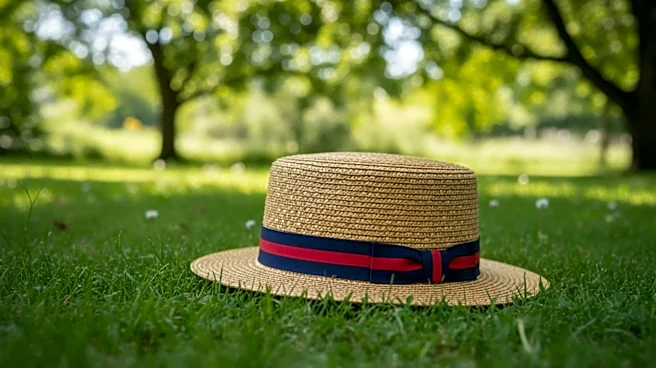
and effective. But in the 19th century, something shifted. As the middle and upper classes embraced outdoor leisure activities, they co-opted the straw hat, transforming it from a symbol of labor into a badge of recreation. The rigid, flat-topped boater hat, which had its origins with Venetian gondoliers and sailors, became the go-to summer accessory for men who wanted to signal they were decidedly not at work.
A Perfect Match on the Court
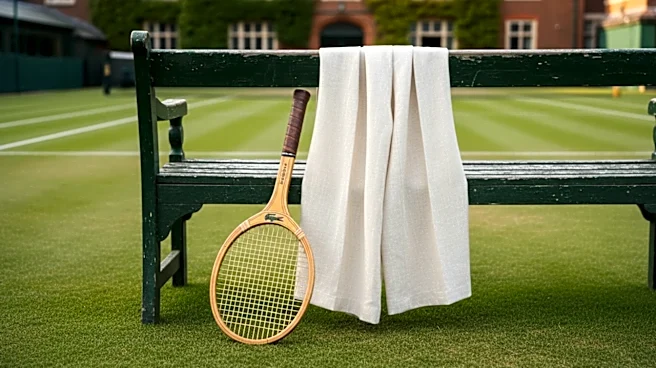
Enter the new, fashionable sport of lawn tennis in the late 19th century. It was an outdoor pursuit, played in the sun, and enjoyed by the very same people who had just adopted the straw hat for their leisurely weekends. It was a perfect fit. Early photographs of tennis matches, including at prestigious venues like Wimbledon, show crowds and even players sporting straw hats. For men, the boater was the standard. For women, more elaborate straw hats provided necessary shade while still being fashionable. The hat wasn’t just an accessory; it was part of the uniform of a new, active, and sophisticated social class at play, cementing its association with the sport in the cultural imagination.
The Chanel Effect
If tennis tied the straw hat to sport, it was Coco Chanel who made it effortlessly chic and forever modern. Before Chanel, women's hats were often elaborate, decorated creations. Chanel, who famously started her career as a milliner, gravitated toward the clean simplicity of the boater hat. She stripped it of its formality, pairing it with her revolutionary, comfortable jersey dresses and trousers. By wearing and selling simplified straw boaters in her boutiques in seaside resorts like Deauville, she transformed it from a stiff, masculine accessory into a symbol of breezy, sun-kissed, androgynous elegance for women. This cemented the straw hat's place as a staple of resort wear and casual summer sophistication.
The Misnamed Icon
No discussion of summer hats is complete without mentioning the Panama hat. And just like its boater cousin, it carries a history of leisure and a slightly confusing name. The finely woven, lightweight toquilla straw hats actually originate from Ecuador, not Panama. Their global popularity exploded during the California Gold Rush, when prospectors bought them in Panama—the major trade hub they passed through—for sun protection. The name stuck, especially after President Theodore Roosevelt was famously photographed wearing one while visiting the Panama Canal construction in 1906. Like the boater, the Panama hat became a symbol of worldly, warm-weather elegance, worn by everyone from presidents to movie stars.
Today's Summer Uniform
So, when you put on a straw hat today, you’re wearing layers of history. You're tapping into its practical, sun-blocking origins. You're channeling the leisurely spirit of late-19th-century spectators at a regatta or a tennis match. You’re borrowing a bit of the revolutionary chic of Coco Chanel on the French Riviera. This rich, blended history is why the straw hat feels so versatile and right for almost any summer plan. It’s practical enough for the beach, stylish enough for a wedding, and carries just enough sporting heritage to feel right at home in a world where activewear and everyday fashion are completely intertwined.