




The Fading Magic of the Old Formula
For years, the formula for a successful Comic-Con panel was simple and brutally effective. Bring out the stars, show a tantalizing clip, and then, the grand finale: drop a world-premiere trailer that sends 6,500 fans into a frenzy and dominates the internet
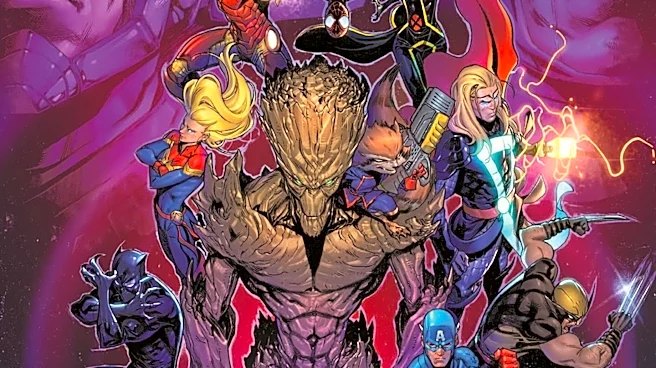
for the next 48 hours. From Marvel to DC, this has been the undisputed playbook. Yet, in 2026, the magic is starting to feel a little too familiar. Trailers leak. Visual effects are scrutinized frame-by-frame. And the exclusive Hall H viewing is often uploaded to YouTube before attendees even get back to their hotels. The spectacle, once a rare treat, has become a predictable part of the marketing cycle. The conversation around this year's convention is already saturated with speculation about what footage Marvel will show for 'Avengers: Doomsday,' but there's a growing sense that simply showing a trailer isn't enough to truly 'win' the weekend anymore.
The Power of the Story-First Approach
Look past the blockbuster movie slots, and you'll find a different kind of panel that consistently leaves a lasting impression. These are the retrospectives, the creator spotlights, and the deep dives into craft. This year's schedule includes panels celebrating the 40th anniversary of 'Aliens' and director Brad Bird's cinematic journey. These events aren't built around a new product. They are built around a conversation. They offer fans a chance to connect with the stories and artists they love on a deeper level, to hear the 'why' behind their favorite moments, not just the 'what' of what's coming next. This isn't just nostalgia; it's a model for generating genuine connection. By focusing on storytelling, these panels offer an exclusive experience that can't be replicated by watching a two-minute clip online. They make the attendance, the wait in line, and the energy of the room the actual prize.
Redefining the Win
So, what does it mean for a panel to 'win' without a trailer? It means shifting the currency of success from 'views' to 'vibes.' A winning panel in 2026 is one that radiates confidence, not desperation. It’s a studio that doesn’t need to show you everything to prove it has a plan. Analysts and fans alike are suggesting that a more controlled, focused presentation is what’s needed. Imagine a major studio using its hour to host a genuine, unscripted conversation with its key creators about their vision. Imagine them sharing concept art that tells a story, or doing a live table-read of a key scene. This approach turns the panel itself into the exclusive content. It tells the audience, 'We value your intelligence and your investment, and we want to bring you inside the process.' It builds trust and community, which are far more durable than the fleeting hype of a trailer.
The Contenders for a New Kind of Crown
As we look ahead to the panels of Comic-Con 2026, the most interesting ones may not be the ones with the most obvious marketing push. The team behind 'X-Men '97,' for example, has an opportunity to do a deep dive into the craft of its second season, reinforcing its reputation as a show that respects its source material. The panels dedicated to the inner workings of comics, like those from Image Comics or the various 'Spotlight' sessions with legendary artists, are already built on this foundation of substance over sizzle. Even the giant in the room, Marvel Studios, could choose to play this new game. Instead of just another slate of logos, they could spend their time making a powerful, focused case for why their next big film matters, using the power of their filmmakers' passion rather than just finished footage. The studios that understand this shift—that the most valuable thing they can offer in Hall H is an experience, not just an advertisement—are the ones who will truly own the weekend.