




From Fright Fests to All-Night Screams
Major theater chains are leaning hard into the Halloween spirit, transforming their multiplexes into destinations for horror aficionados. Regal Cinemas, for example, is running its '31 Screams on Screen' event, showcasing a different horror movie every
single day of October. The lineup is a curated dream for fans, mixing bona fide classics like 'The Shining' and John Carpenter's 'Halloween' with modern terrors from directors like Ari Aster and Jordan Peele. AMC is hosting its long-running 'FearFest', not just on its cable channel but with themed marathons in theaters, such as 'Slasher Sunday' and franchise-specific events. It's a strategy that goes beyond just showing a scary movie; it's about creating an event. These are not just random showings, but carefully programmed double features and all-day marathons designed to attract dedicated genre fans looking for a communal experience.
The Economics of Fear
For theater chains, this strategy is more treat than trick. The exhibition industry, while healthier in 2026 than in recent years, is still battling for audience attention against the convenience of streaming. Horror marathons offer a powerful solution. First, the content is often inexpensive to license. Theaters can pack their schedules with beloved older films, which cost significantly less to show than a new blockbuster. Second, the marathon format is a concession stand goldmine. A single ticket holder for a double or triple feature is a captive customer for four to six hours, exponentially increasing the likelihood of high-margin popcorn, soda, and candy sales. Finally, it turns an otherwise slow Tuesday or Wednesday night into a special, ticketed event, filling seats that might have otherwise remained empty. It's a way of 'event-izing' the cinema, a trend that gained traction after the 'Barbenheimer' phenomenon reminded the industry of the power of a unique theatrical experience.
Why Audiences Are Buying In
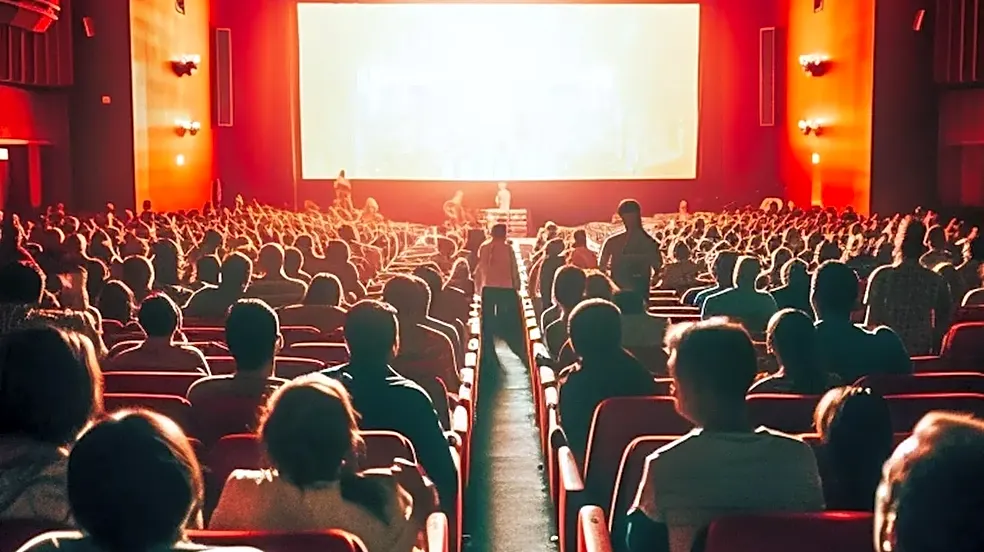
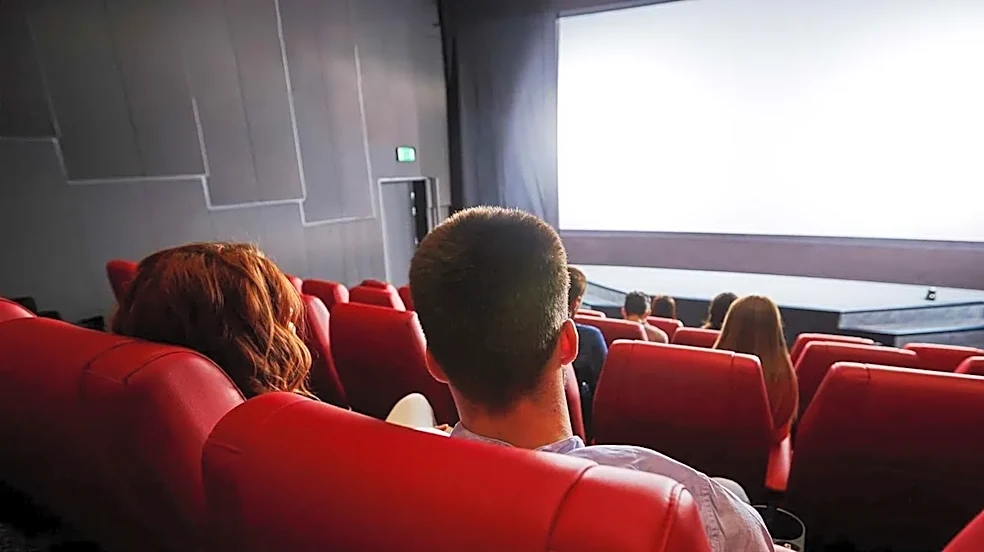
So why are people leaving their homes to watch movies they could easily stream? The answer lies in the shared experience. There's a unique electricity to watching a horror movie with a crowd: the collective gasps, the shared tension, and the communal screams are all part of the fun. For many fans, especially younger Gen Z audiences who are frequenting theaters, it's about community. Horror has proven to be a durable and highly profitable genre, accounting for a significant and growing share of the box office. These marathons tap directly into that dedicated fanbase, offering a curated experience that a streaming algorithm can't replicate. It's a chance to see a favorite film like 'The Texas Chainsaw Massacre' or 'A Nightmare on Elm Street' on the big screen as it was intended, surrounded by people who love it just as much.
A Model for the Future?
The success of these Halloween events highlights a potential path forward for movie theaters. By focusing on curated, experience-driven programming, cinemas can offer something that streaming services can't: a planned, communal night out. This model isn't limited to horror. Theaters are already finding success with anniversary screenings of classic films, opera broadcasts, and other 'event cinema' offerings that turn a simple movie showing into a can't-miss cultural moment. As theater chains continue to innovate, expect to see more of these niche, fan-focused events. The horror marathon is proving that by tapping into the passion of dedicated communities, theaters can create new revenue streams and ensure the magic of the big screen endures.