
The Simplicity of the ‘Starting XI’
Let’s start with the soccer term. A “Starting XI” is exactly what it sounds like: the eleven players who are on the field for their team at the opening whistle. That’s it. One goalkeeper and ten outfield
players who will simultaneously play both offense and defense for the entire 90-plus minutes of the match, barring substitutions or injury. There are no separate offensive and defensive units that swap out. The same right back who makes a goal-saving tackle in one moment is expected to be bombing down the sideline to join the attack in the next. The term reflects the fluid, continuous nature of soccer. These eleven individuals function as a single, holistic organism, and the manager’s choice of the Starting XI is the single biggest tactical decision of the day.
The NFL’s Two-Headed ‘Starting Lineup’
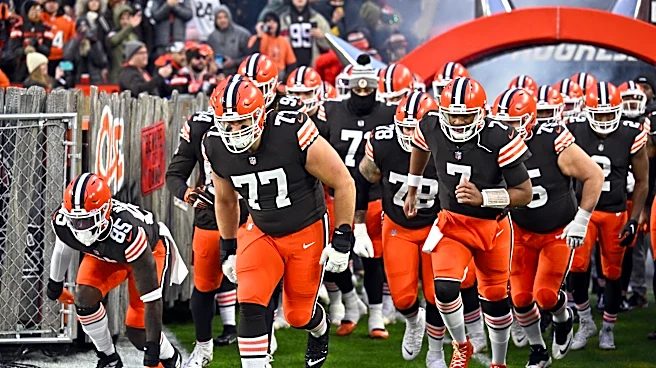
Now, let’s switch gears to the gridiron. When an NFL coach announces the “starting lineup,” what are they really talking about? In football, the term is a bit of a misnomer, because there isn’t one single lineup. There are two, at minimum. An NFL team’s starting lineup actually consists of 22 players: the 11 starters on offense and the 11 starters on defense. These are two almost entirely separate groups of players who, with rare exceptions like a two-way star, will never be on the field at the same time. The starting offense takes the field for the first offensive snap, and the starting defense takes it for the first defensive snap. And that doesn’t even account for the dozen or so specialists on the starting special teams units (kickoff, punt, field goal, etc.). An NFL “lineup” is a collection of specialized platoons.
The Real Difference: Substitutions and Strategy
The reason for this linguistic split comes down to one fundamental rule difference: substitutions. In soccer, a manager is typically allowed only five substitutions for the entire match from a bench of about 12 players. Once a player is subbed out, they cannot return. This limitation means the Starting XI carries immense weight; these players are chosen for their stamina and versatility, as they’re expected to play nearly the entire game. The starting group must have the endurance and tactical flexibility to adapt to the game’s flow on their own. In the NFL, substitutions are unlimited. Between every single play, a coach can swap out any number of players. This allows for extreme specialization. You don’t need your 330-pound defensive tackle to have the stamina to run for 90 minutes; you just need him to dominate the line of scrimmage for a 6-second burst, then catch his breath. You can have a quarterback just for short-yardage sneaks, a running back just for third-down passing situations, and a defensive lineman just for rushing the passer. This stop-start, platoon-based system is the strategic heart of American football.
Why the Language Reveals the Sport’s Soul
Ultimately, the terminology isn’t just semantics; it’s a window into the core philosophy of each game. “Starting XI” evokes a sense of a unified team, a band of brothers chosen to see a long, grueling battle through from start to finish. The drama lies in their collective endurance, chemistry, and ability to problem-solve in real time on the pitch. “Starting Lineup” in the NFL reflects a different kind of drama: the strategic, chess-match-like deployment of specialized assets. It’s about matchups, situational personnel, and a coach manipulating his roster like a general deploying different divisions to the front line. The game is a series of distinct, explosive situations, and the lineup is a collection of tools designed to win each one.