

Public Enemy: The Sonic and Political Revolution
When Public Enemy was honored at the inaugural Hip Hop Honors in 2004, it was a statement of purpose for the event itself. The group, led by Chuck D's booming commentary and Flavor Flav's chaotic energy, redefined the possibilities of rap music. Their
production unit, The Bomb Squad, created a dense, layered sound of sirens, samples, and noise that felt as urgent and confrontational as their lyrics. Albums like "It Takes a Nation of Millions to Hold Us Back" were not just collections of songs; they were manifestos that brought radical Black political thought to the pop charts. Honoring Public Enemy was honoring the genre's conscience and its capacity for game-changing social commentary.
Queen Latifah: The Blueprint for a Multimedia Mogul
Before it was common for rappers to become Hollywood stars, there was Queen Latifah. Honored multiple times, including at the "All Hail the Queens" event in 2016, she embodies the concept of range. After establishing herself as a powerful voice for female empowerment with tracks like "U.N.I.T.Y.," she seamlessly transitioned into acting. She didn't just get cameos; she became a bona fide star in the hit sitcom "Living Single" and later earned an Academy Award nomination for her role in "Chicago," a first for a female rapper. Her honor wasn't just for her bars, but for creating a path that proved an artist's hip-hop identity could be a launchpad for success in any arena they chose.
Rock Steady Crew: The Foundation of Movement
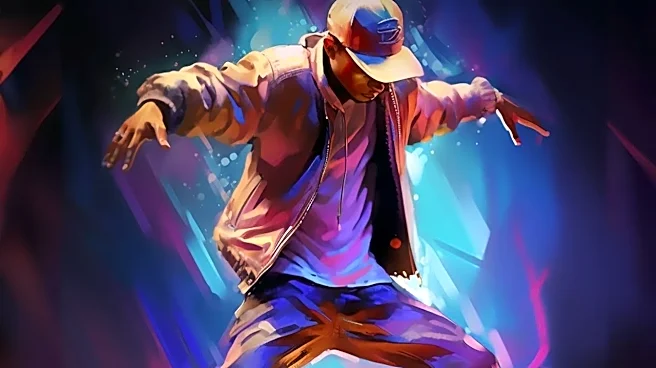
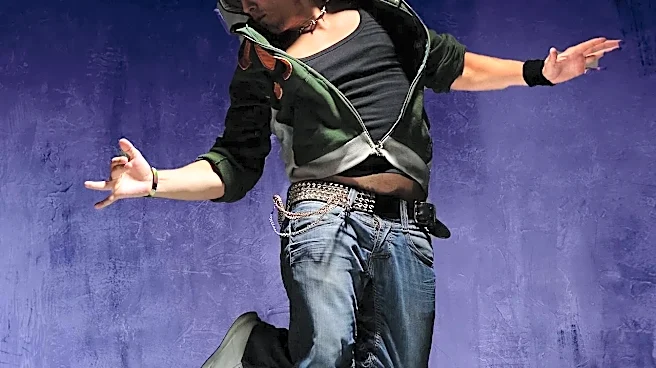
Hip-hop isn't just what you hear; it's how you move. By honoring the Rock Steady Crew in 2004, the show paid respect to one of the four foundational pillars of the culture: b-boying and b-girling. Founded in the Bronx in 1977, the Rock Steady Crew were pioneers who turned street dance into a global phenomenon. Their electrifying appearances in films like "Flashdance" and "Style Wars" introduced breakdancing to mainstream America and the world. The honor recognized that the acrobatic spins, freezes, and footwork were as essential to hip-hop's identity as any DJ's scratch or MC's rhyme, celebrating the raw athleticism and creativity that started it all on cardboard mats in the park.
Missy Elliott: The Visionary Producer and Artist
Honored in both 2007 and 2016, Missy "Misdemeanor" Elliott represents the ultimate multi-hyphenate. While her skills as a rapper are legendary, her honor truly speaks to her genius as a producer, songwriter, and music video visionary. Long before her solo debut, she and partner Timbaland were crafting hits for artists like Aaliyah and SWV. When she stepped into the spotlight, her albums came with a totally unique sonic palette, and her videos changed the game, turning songs into surreal, unforgettable cinematic experiences. Honoring Missy was a nod to the producers and creative directors who build the world that the music lives in, recognizing that a great track is often the result of a singular vision that extends far beyond the vocal booth.
2Pac: The Enduring Cultural Icon
Tupac Shakur was honored posthumously at the very first Hip Hop Honors in 2004, cementing his status as one of the culture's most vital and enduring figures. His inclusion demonstrates the event's focus on legacy and impact over mere commercial success. 2Pac was more than a rapper; he was an actor, a poet, and a political activist whose work grappled with complex social issues. His career in film, with standout roles in "Juice" and "Poetic Justice," showed his incredible versatility. Honoring 2Pac was an acknowledgment of his entire cultural footprint—the fiery rhymes, the on-screen charisma, and the complex, often contradictory, persona that continues to influence and fascinate new generations of artists and fans worldwide.