



When Universal Pictures announced the 'Wicked' adaptation would be two movies, the immediate question was: why? The official answer is creative, but the full story is a massive studio investment that rethinks the modern blockbuster.
The Creative Case for Two Films
Publicly, the reasoning
for splitting 'Wicked' is all about artistic integrity. Director Jon M. Chu and composer Stephen Schwartz have both explained that trying to squeeze the beloved, nearly three-hour stage musical into a single film felt like a disservice. They argued that key songs, character arcs, and plot points would have to be cut, resulting in 'fatal compromises' to the source material. The musical's structure, with its show-stopping Act I finale 'Defying Gravity,' also posed a cinematic problem. The song is designed to bring a curtain down, creating an emotional peak that a brief movie intermission couldn't replicate. Chu and his team felt that any scene immediately following it would feel anticlimactic. By turning the intermission into a year-long wait, they preserved that dramatic cliffhanger and gave themselves the space to explore the story's emotional depths without rushing.
A Billion-Dollar Bet on Oz
Creativity aside, the two-part plan is a monumental financial gamble. Universal Pictures is reportedly investing a combined $300-$350 million in the production budgets alone for both films, making it one of the studio's largest upfront investments ever. This figure doesn't even include the colossal marketing costs, which for the first film were estimated at another $150 million and involved over 400 brand partnerships—eclipsing even the massive campaign for 'Barbie'. But with great risk comes the potential for great reward. Instead of one opening weekend, Universal gets two. Instead of one home video release and streaming deal, they get two. It creates a prolonged revenue window for everything from soundtracks to merchandise, effectively doubling down on every monetization stream associated with a blockbuster franchise.
Turning a Movie Into a Year-Long Event
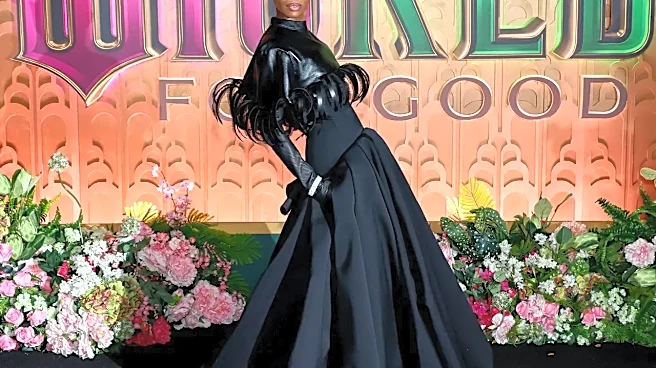
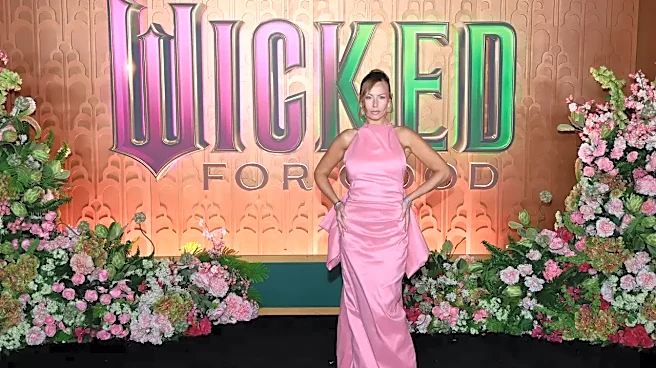
The strategy isn't just about doubling revenue; it's about maximizing cultural impact. Releasing two films a year apart transforms a movie premiere into a sustained cultural event. Much like the successful two-part finales of 'Harry Potter' and 'The Hunger Games,' this model keeps the property in the public consciousness for an extended period. The first film acts as a massive trailer for the second, building anticipation and ensuring the audience remains invested. This is amplified by the sequel's title, 'Wicked: For Good.' The name is a direct reference to the musical's emotional farewell duet between Elphaba and Glinda, signaling a definitive and resonant conclusion. It frames the second movie not just as 'Part Two,' but as a standalone, must-see final chapter, giving it its own emotional weight.
The Risk of a Broken Spell
This ambitious strategy is not without its perils. The entire model hinges on the success of the first film. Had the first 'Wicked' underperformed, the studio would have faced an enormous writedown on a second film that was already shot. This approach frontloads the financial risk, committing hundreds of millions of dollars before seeing a single ticket sale. Furthermore, there's the narrative challenge of splitting a story that was conceived as a single, cohesive whole. While ending on 'Defying Gravity' provides a powerful cliffhanger, it also asks audiences to wait a year to resolve a story they are accustomed to seeing completed in one sitting. It's a bet that audience enthusiasm for the first part will be strong enough to carry them over the long gap, a gamble that, in 'Wicked's' case, appears to have paid off handsomely.