






A Fantasy of the Great Reset
Let’s be honest: modern life is exhausting. Between the relentless emails, the pressure to maintain a social media presence, and the sheer weight of financial and social obligations, the daily grind can feel overwhelming. Apocalyptic fiction offers the ultimate
escape hatch. It presents a world where the complexities of our current society are wiped away. No more student loans, no more pointless meetings, no more worrying about your credit score. The 'end of the world' in these stories is often the end of the world as we know it, and there's a certain appeal to hitting a giant reset button. The focus shifts from abstract modern pressures to tangible, immediate goals: find food, secure shelter, protect your loved ones. It simplifies life to its most essential elements, a fantasy that can feel liberating when you're stuck in traffic worrying about a deadline.
Chaos You Can Actually Control
Real-world anxieties are often vague, unpredictable, and without a clear resolution. We worry about global events we can’t influence and societal trends that feel out of our hands. Fictional apocalypses, however, offer a contained, manageable form of chaos. A zombie outbreak or an alien invasion, while terrifying, has rules. There is a clear threat and a clear objective—survive. We can experience the worst-case scenario from the safety of our couch, processing feelings of fear and anxiety in a controlled environment. Unlike the endless, low-grade hum of real-world stress, a story has a beginning, a middle, and an end. This narrative structure gives us a sense of resolution that reality often denies, allowing us to confront our fears and then put them away when the credits roll.
Finding Meaning in the Rubble
One of the most powerful themes in post-apocalyptic stories isn't the destruction, but what comes after: the rediscovery of purpose and human connection. In worlds stripped of modern conveniences and social structures, characters are often forced to rely on each other in profound ways. These narratives frequently explore the resilience of the human spirit and the formation of tight-knit communities forged in adversity. In shows like The Last of Us or books like The Stand, the struggle for survival brings out incredible acts of loyalty, sacrifice, and love. The protagonists aren't just surviving; they are building something new, finding a powerful sense of purpose that can feel absent in our more alienated, individualistic society. The stories suggest that even after the worst happens, humanity and hope can endure.
The Ultimate 'What If' Scenario
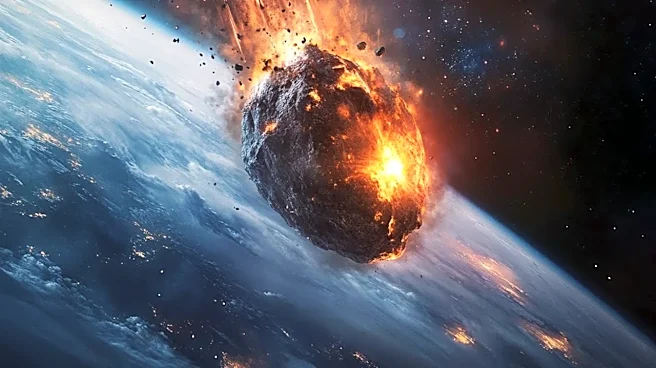
On a subconscious level, consuming these stories can feel like a form of mental preparation. Psychologists suggest that engaging with fictional threats can be a way of rehearsing our responses to potential crises. It lets us ponder critical questions from a safe distance: What would I do? How would I react? Would I be a hero, a survivor, or a victim? This 'threat simulation' can make us feel more resilient and prepared, even for challenges that have nothing to do with zombies or asteroids. Studies have found that fans of apocalyptic media reported feeling more psychologically prepared during the onset of real-world crises. These stories allow us to explore our own capabilities and values under extreme pressure, serving as a low-stakes training ground for resilience.