



The Contained 'Bottle Episode'
One of the most classic and effective budget-saving maneuvers is the "bottle episode." The term, rumored to have originated on the original "Star Trek," refers to an episode that feels like it was pulled "out of a bottle like a genie" — produced quickly
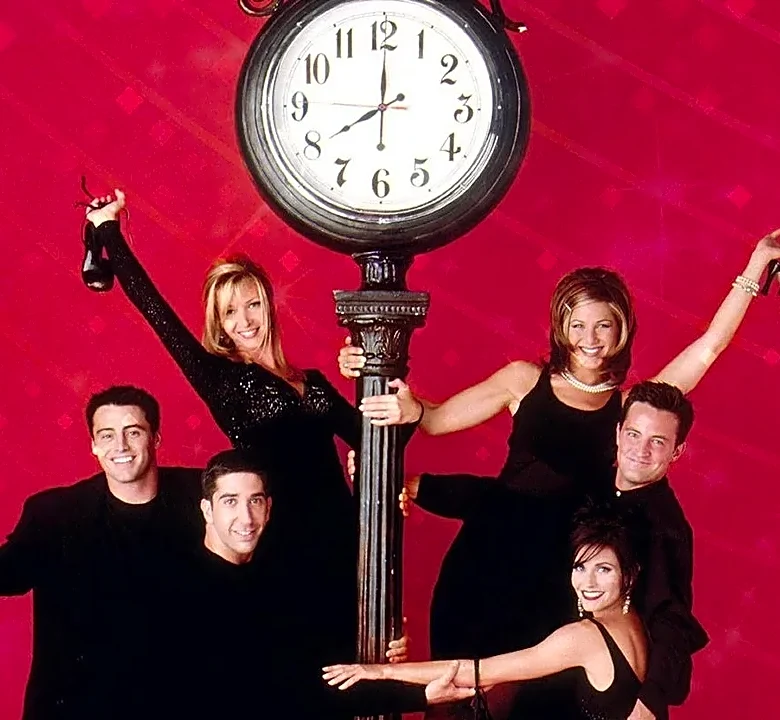
and cheaply on existing sets. You can spot these easily: the entire hour might take place in a single location, like a hospital waiting room, a stuck elevator, or the main characters' apartment. By confining the action, the production saves a fortune on location scouting, permits, transportation, and set construction. Famous examples include the "Friends" episode "The One Where No One's Ready," which unfolds entirely in Monica and Rachel's apartment in real-time. While born from necessity, writers often use these constraints to deliver powerful, character-driven stories that rely on sharp dialogue and acting.
When Major Action Happens Off-Screen
Ever watch a show where characters spend more time talking about a huge battle than you spend seeing it? That's not just a narrative choice; it's a budget choice. Large-scale action sequences—car chases, elaborate fights, massive explosions, or fantasy wars—are incredibly expensive. They require stunt performers, special effects teams, visual effects artists, and complex camera setups. A more cost-effective approach is to have a character run into the room, out of breath, and describe the chaos they just witnessed. Think of a sci-fi show where the epic space dogfight is only shown through frantic reactions on the bridge, or a crime drama where we see the aftermath of a shootout but not the event itself. This technique prioritizes the human reaction to the event, which can be just as dramatic but significantly cheaper to film.
The Comfort of the Standing Set
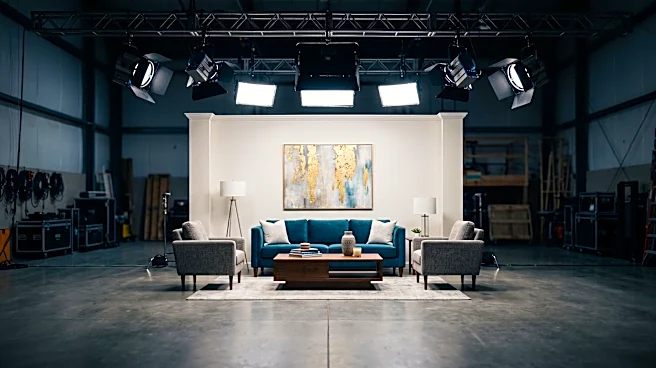
Why do so many sitcom characters hang out in the same coffee shop, or why does every police procedural have a go-to interrogation room? These are standing sets—permanent structures built on a soundstage that can be used repeatedly. Every time a show films "on location," it incurs costs for travel, permits, and managing the public. By contrast, a standing set is always available, the lighting is pre-configured, and the environment is completely controlled. While it can sometimes make a show's world feel small, it's a financial lifeline. A show's budget often dictates the balance between relying on these familiar spaces and venturing out into the real world for a more authentic, but expensive, feel.
Counting the Faces in a Crowd
Pay attention the next time you see a scene set in a bustling city street, a packed concert, or a busy restaurant. How full does it actually look? Hiring background actors, or "extras," costs money. Each person needs to be paid, costumed, and managed on set. To cut costs, productions often use clever camera angles to imply a larger crowd than is actually present. They might use a shallow depth of field to blur the background, place a few extras close to the camera, or shoot in tight close-ups to avoid showing the empty space. In the digital age, another solution is the use of CGI to create digital crowds, but this comes with its own post-production costs. Often, the simplest solution is just to suggest a crowd rather than show one.
Superpowers That Don't Break the Bank
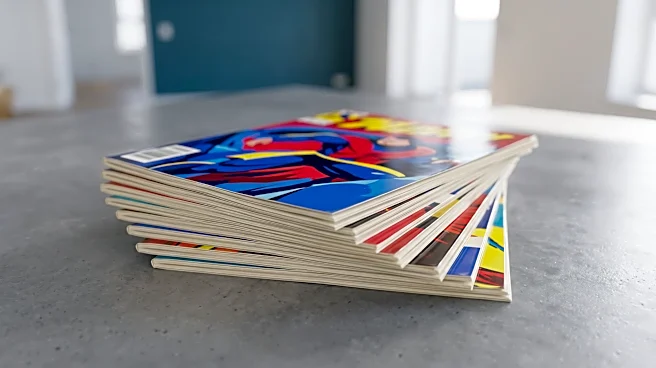
In the world of superhero and fantasy television, a character's power set can be a direct reflection of the budget. On the high end, you have characters who fly and shoot energy beams, requiring extensive and costly CGI. On the lower end, you get powers that are narratively compelling but visually simple. Think of a character with telepathy (conveyed with a voiceover), super strength (shown by lifting a prop), or the ability to talk to animals. The British show "Misfits" was a masterclass in this, giving its young offenders powers like invisibility (achieved by other actors simply pretending not to see the character) that were cheap to produce but rich with dramatic potential.