


The Real Second Screen
For decades, the MTV VMAs have been a factory for iconic, unscripted pop culture moments. But in 2026, the live broadcast is just the opening act. The main event happens immediately after, online, where a chaotic battle for views, shares, and memes unfolds
across TikTok, YouTube, and Instagram. While MTV's parent company, Paramount, airs the show across CBS and its own streaming services, it’s the social platforms that determine a moment's true lifespan. An acceptance speech, a shocking performance, or a red-carpet look can either vanish or become a cultural touchstone based on how it travels online. This is the new front line for cultural relevance, where a 15-second clip can have more impact than winning the award itself.
TikTok: The Instant Replay Machine
TikTok's strategy is built on speed and virality. The platform excels at capturing the raw, immediate energy of an event and slicing it into bite-sized, shareable clips. Within minutes of a major VMA moment, TikTok is flooded with fan-filmed reactions, quick edits, and trending sounds clipped from the show. The algorithm's power lies in its ability to push content to a massive audience regardless of follower counts, making it the perfect engine for explosive, short-term buzz. For artists and fans, it’s the place for instant reactions and memes. For the platform, it’s a demonstration of its cultural power: an ability to anoint a moment as viral within hours. However, this speed comes with a short lifespan; a clip that dominates the 'For You' page on Monday can be ancient history by Wednesday.
YouTube: The Official Archive
If TikTok is the chaotic after-party, YouTube is the official, high-definition archive. While TikTok thrives on user-generated snippets, YouTube is where MTV, artists, and broadcast partners post the polished, full-length performances and official highlight reels. Its strength is its function as a search engine and a long-term library. A VMA performance on YouTube can collect views and generate ad revenue for years, becoming a permanent part of an artist's digital legacy. While it may not match TikTok's initial explosive velocity, its value is in sustained, searchable viewership. This model serves artists looking to monetize their performances and fans wanting to relive the entire three-minute spectacle, not just a 15-second soundbite.
Instagram and X: The Conversation Pits
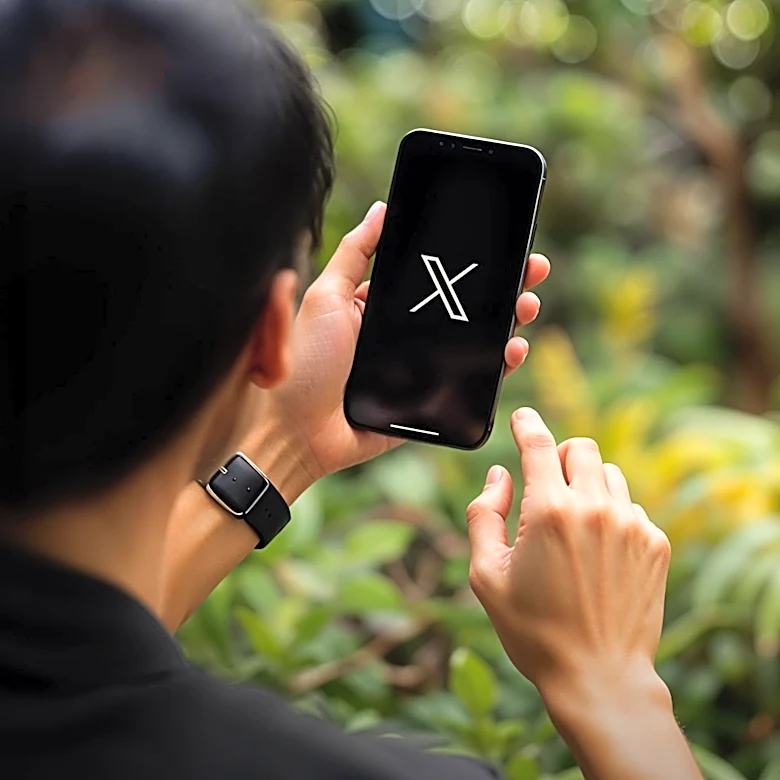
Instagram, with its mix of Reels, Stories, and Carousels, plays a hybrid role. Reels compete directly with TikTok for short-form video dominance, often featuring similar trends and sounds. Meanwhile, Instagram Stories serve as the home for behind-the-scenes content and immediate, ephemeral reactions from artists and fans. Multi-photo carousels have also become a key format for event recaps, outperforming even video in some engagement metrics. X (formerly Twitter) remains the primary destination for live, text-based commentary and real-time conversation. While less visually focused for highlights, it functions as the digital water cooler where the audience, journalists, and stars react collectively as the show unfolds.
So, Who Is Actually Winning?
There's no single winner because each platform is playing a different game. TikTok is winning the battle for immediate, viral buzz and cultural conversation. It sets the narrative for what moments from the night mattered. YouTube, however, wins the war for long-term value and monetization, acting as the official historical record. Instagram has positioned itself as the jack-of-all-trades, capturing everything from polished clips to raw, behind-the-scenes moments. The real winner might be the artist who understands how to leverage all of them. A successful strategy involves using TikTok for the initial viral spark, driving that audience to the full performance on YouTube, and using Instagram to tell the complete story along the way.