









The Origin Story Formula
In the world of comics, the origin story is everything. It’s the transformative event that turns an ordinary person into a hero. A radioactive spider bite, a planet’s explosion, or the tragedy of seeing one's parents murdered in an alley—these are the catalysts
that forge a new identity and a singular purpose. This narrative structure, identified by mythologists like Joseph Campbell as the "Hero's Journey," is a powerful template for storytelling, where a hero is called from their ordinary world to face a monumental challenge. The American Revolution, as it is traditionally told, fits this pattern almost perfectly. It serves as the nation's own epic origin myth, explaining how it came to be and defining its core principles.
A Tyrannical Villain and a Call to Adventure
Every great hero needs a great villain. For the American colonists, that villain was King George III, portrayed in popular memory as an unequivocal tyrant stomping on the colonists' rights. The series of punitive measures like the Coercive Acts—dubbed the Intolerable Acts in America—served as the "call to adventure." This was the moment the ordinary world of the British colonies was irrevocably disrupted, forcing a choice between submission and rebellion. The narrative simplifies a complex reality of competing interests and divided loyalties into a clear-cut struggle between oppression and freedom, much like a comic book sets up a battle between good and evil.
America’s First Superhero Team
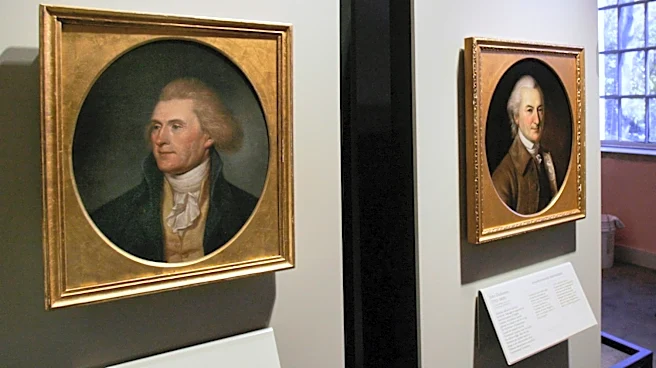
In the face of this overwhelming threat, a team of heroes assembled: the Founding Fathers. Much like Marvel's Avengers or DC's Justice League, they are presented as a collection of extraordinary individuals, each with a unique skill set. George Washington was the steadfast field commander, the Captain America figure of unwavering patriotism and duty. Benjamin Franklin was the wise, inventive polymath, a parallel to a character like Iron Man, known for his intellect and charm. Thomas Jefferson, the intellectual wordsmith, wielded the power of the pen to articulate the nation's ideals. Together, they formed a pantheon, their combined strengths creating something greater than the sum of its parts.
Ideals as Superpowers
If the Founders were the heroes, their superpowers were the radical ideals they championed. Concepts like "Liberty," "the pursuit of Happiness," and the declaration that "all men are created equal" were presented as universal, world-changing forces. These weren't just political goals; they were part of what became known as American exceptionalism, the belief that the U.S. is unique and holds a special role in human history. In this telling, these ideals are the country’s ultimate boon—the elixir brought back to bestow upon the world. This narrative frames America not just as another nation, but as the embodiment of a moral quest, destined to be a "city on a hill."
The Trouble with a Simple Myth
While this comic-book logic provides a powerful and inspiring national identity, it also comes with significant drawbacks. This simplistic framing often papers over the deep, uncomfortable contradictions of the revolutionary era, such as the fact that many of these champions of liberty were also slaveholders. It flattens the brutal, chaotic reality of what was, in many areas, a vicious civil war where loyalties were violently contested. A narrative of pure good versus evil can lead to a rigid worldview, making it difficult to engage in self-criticism or navigate the moral complexities of modern domestic and foreign policy. When a nation sees itself as a superhero, it can struggle to see its own flaws or recognize the validity of other perspectives.