




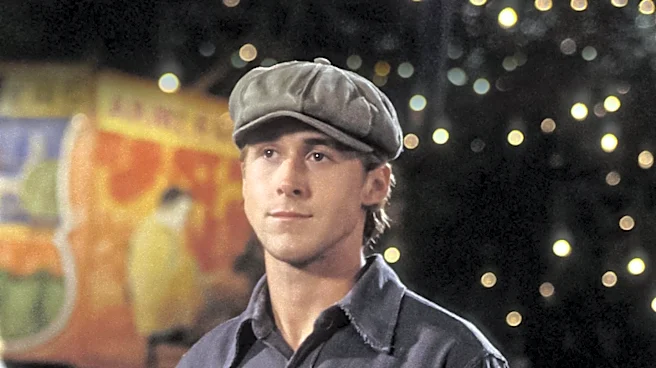

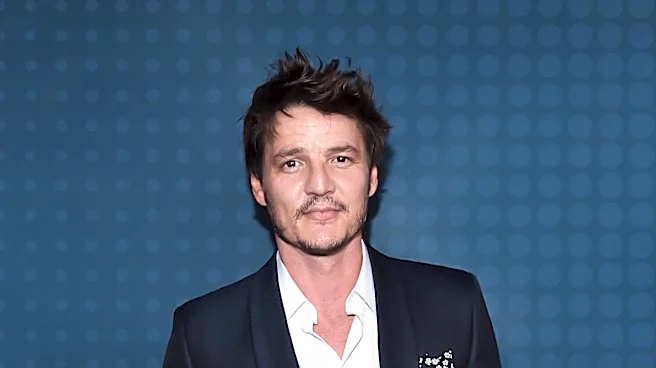
The Superstar Contemporary: John Travolta
The conversation must start with Grease, the 1978 movie musical that remains one of the most successful in history. It catapulted both Olivia Newton-John and John Travolta into the stratosphere. He was the swaggering T-Bird, fresh off the disco inferno
of Saturday Night Fever; she was the angelic Sandy, a multi-platinum music star trying her hand at acting. Their chemistry was electric and undeniable. But in the decades that followed, their career paths diverged significantly. Travolta’s career became a roller coaster of massive peaks and deep valleys. The 80s were famously unkind, with a string of misfires including a failed Grease reunion in Two of a Kind. He required a Pulp Fiction-level comeback in the 90s to regain his A-list status. Newton-John, however, charted a different course. While her film career never again reached the heights of Grease, her music career exploded with albums like Totally Hot and the juggernaut that was Physical. She gracefully transitioned from pop star to a beloved global icon, her public persona remaining remarkably consistent and cherished. While Travolta’s star violently rose and fell, Olivia’s simply glowed, steadily and warmly, for decades.
The Legend and The Hopeful: Gene Kelly and Michael Beck
If Grease was a triumph, 1980’s Xanadu was a notorious and fascinating failure—and a perfect case study in Olivia's staying power. In this fantasy musical, she shared the screen with two distinct generations of leading men. First, there was the legend: Gene Kelly, in his last major onscreen role. Kelly, the titan of Hollywood's Golden Age musicals, was passing the torch. Then there was the hopeful newcomer: Michael Beck, cast as the romantic lead Sonny Malone. Beck was coming off the cult hit The Warriors and was positioned for a breakout. It didn't happen. Xanadu was critically panned, and Beck later quipped, "The Warriors opened a lot of doors in film for me, which Xanadu then closed." His career subsequently shifted almost entirely to television and, later, audiobook narration. But Olivia? She emerged from the wreckage not only unscathed but arguably stronger. The film's soundtrack was a massive double-platinum hit, spawning No. 1 singles like "Magic". She survived a legendary flop by being so cosmically charismatic that people bought the album anyway. She outlasted the legend, who was taking his final bow, and the hopeful, whose star faded almost immediately.
The Final Generation: The Enduring Institution
The third generation of leading men she outlasted wasn't a single actor but an entire archetype: the male co-star as a necessity. In her early career, she was often paired with established names like Cliff Richard. As she became a superstar, her on-screen partners—like Matt Lattanzi in Xanadu or the ill-fated Two of a Kind with Travolta—were less important than her own star power. By the mid-80s and beyond, Olivia Newton-John was no longer defined by her leading men. She was the draw. She evolved into something more durable than an actress or a pop singer; she became an institution. Her later career was marked by successful touring, guest appearances on shows like Glee, and, most importantly, her transformation into a dedicated philanthropist and wellness advocate after her first cancer diagnosis in 1992. This final act cemented a legacy far beyond box office receipts or chart positions. It was a legacy of resilience, grace, and a direct, authentic connection with the public that no on-screen partnership could ever overshadow. While actors came and went, Olivia remained.