


More Than Just a Bigger Screen
For decades, stage visuals were a separate entity. A director would cue up pre-rendered videos or switch between camera feeds on screens flanking the stage. The technology, whether projectors or early LED panels, was essentially a passive canvas. Today’s
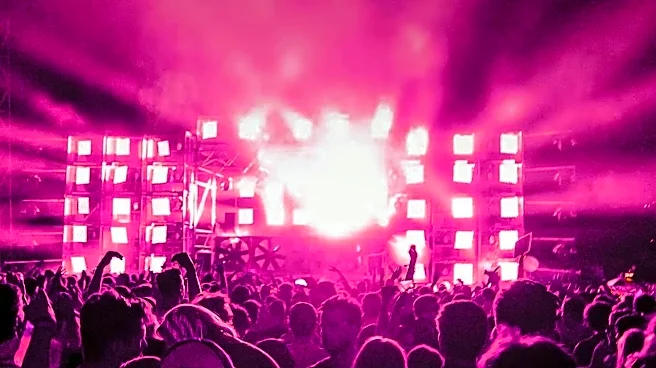
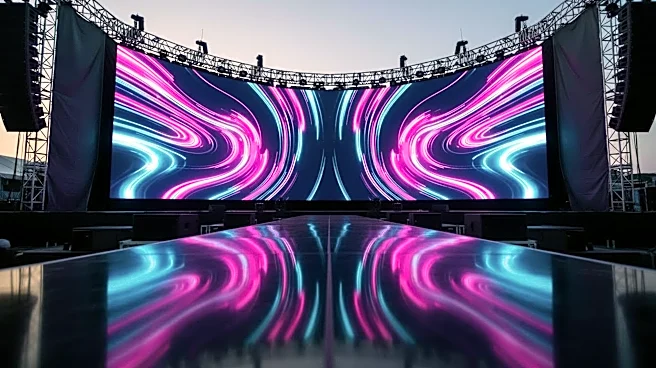
giant LED walls are an entirely different beast. These are modular, high-resolution displays that can be built into almost any shape, offering vibrant clarity even in broad daylight. More importantly, they are now integrated with powerful media servers and real-time rendering software, the same kind of technology used to create blockbuster video games and virtual film sets. This turns the screen from a simple display into a live, generative environment. Instead of just playing a video of a forest, a director can now create a digital forest that sways in time with the music, changes seasons with the verse, or gets consumed by digital fire during a guitar solo.
The Director as a Digital World-Builder
This technological leap has transformed the role of the show director. Their job is no longer just about calling cues for lights and pre-made video. At the highest levels of production, they are now directing entire digital worlds in real time. Using what’s known as Extended Reality (XR), directors can merge physical and virtual elements on stage. An artist can appear to walk through a crumbling cityscape or perform inside a swirling galaxy that is being generated live. The most stunning recent example of this is U2's residency at the Las Vegas Sphere. Though a fixed venue, its 16K wraparound screen and immersive sound system demonstrated the pinnacle of this trend. Show directors for the project worked for 18 months to create visuals that could be manipulated on the fly, making the entire venue a playable instrument that responded to the band. This workflow is now trickling down to festival stages, where directors are empowered to make creative decisions mid-show that were previously impossible, blending live camera feeds with interactive digital layers.
A New Language of Performance
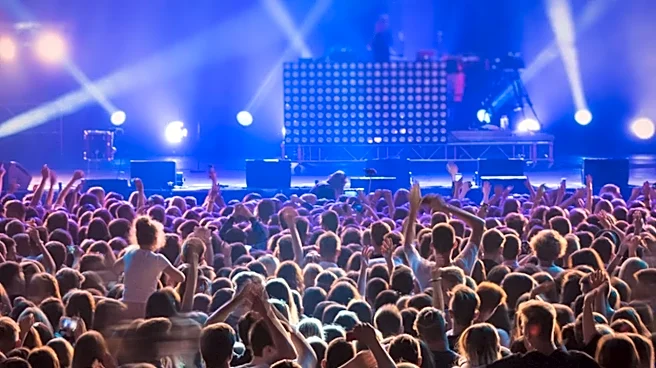
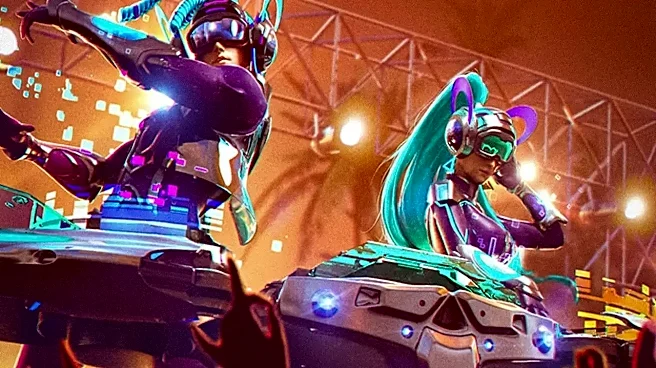
For artists, these immersive LED stages open up a new toolbox for expression. The visuals are no longer just supporting the music; they are part of the performance itself. Performers can interact with the digital world on screen, creating a dialogue between the physical and virtual. This creates a more cohesive and narrative-driven show, where the stage design itself tells a story. For instance, a DJ might be housed within a structure that appears to physically transform throughout the set, thanks to perfectly mapped LED visuals. It also deepens the audience's connection. In a massive festival field, where most of the crowd is far from the stage, the LED wall becomes their primary view. When that wall is a dynamic, immersive environment rather than just a magnified live feed, every person in the audience gets a front-row seat to a unique visual spectacle, significantly enhancing their experience. The boundary between a concert and a piece of immersive theater dissolves.
The Future is Brighter and More Interactive
While the Las Vegas Sphere represents a multi-billion dollar benchmark, the core concepts are rapidly becoming the standard for major festivals like Coachella, Lollapalooza, and EDC. Production companies that build these festivals, like Danny Wimmer Presents, now emphasize exceptional production quality as a key part of the fan experience. As the cost of high-resolution LED panels and real-time processing power continues to fall, we can expect to see even more interactivity. Imagine stages where the visuals react not just to the music, but to the energy of the crowd, using sensors to measure noise levels or movement. The director’s console will look less like a lighting board and more like the command center for a complex simulation. It's a fundamental shift from presenting a show to curating a live, shared experience.