





USA vs. Mexico: The Backyard Brawl
This is the one you probably know, and for good reason. It’s the battle for North American bragging rights, plain and simple. For most of the 20th century, it wasn't much of a rivalry, with Mexico dominating the U.S. for decades. That all changed around
the turn of the millennium. The rise of Major League Soccer and a new generation of American players flipped the script. The rivalry’s defining moment for American fans came in the 2002 World Cup, when the U.S. knocked Mexico out in a heated 2-0 match. That scoreline, “Dos a Cero,” became a rallying cry for U.S. fans, who chanted it for years after a string of 2-0 wins in crucial home qualifiers, all famously played in Columbus, Ohio. Today, the rivalry is more competitive than ever, fueled by passionate, often-divided fanbases in cities across the U.S. It’s a clash of styles, cultures, and identities that plays out on the field in some of the most intense matches in the region.
Argentina vs. England: The Grudge Match
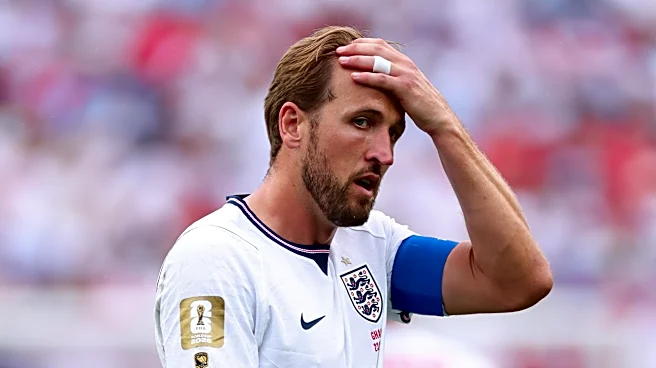
This isn't a neighborly dispute; it's a long-distance rivalry born from war and one of the most controversial moments in sports history. The animosity was ignited by the 1982 Falklands War, a brief but sharp conflict between the United Kingdom and Argentina. Just four years later, the two nations met in the 1986 World Cup quarterfinals. Argentina's captain, Diego Maradona, scored two of the most famous goals ever. First came the infamous "Hand of God," where he punched the ball into the net, a goal that the referee mistakenly allowed. Minutes later, he scored the "Goal of the Century," an incredible solo run past half the English team. Argentina won 2-1 and went on to lift the trophy. For Argentinians, it was seen as symbolic revenge. For the English, it was blatant cheating. Every match since has carried the weight of that history, a bitter feud that has nothing to do with geography and everything to do with pride and a lingering sense of injustice.
Brazil vs. Argentina: The Battle of the Best
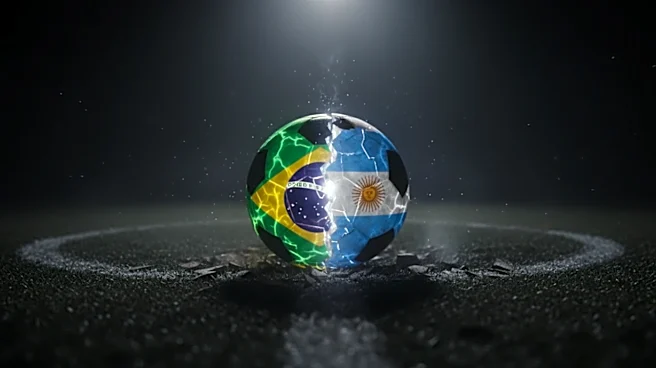
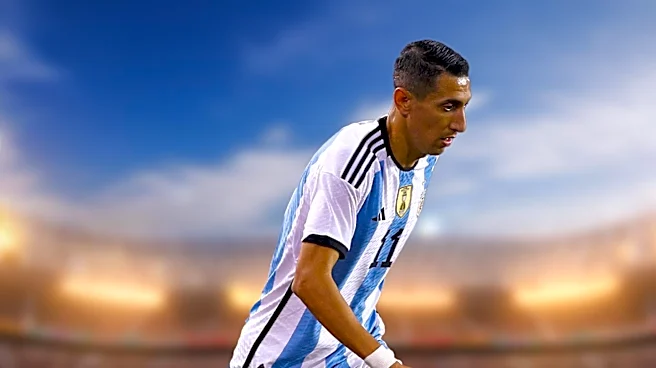
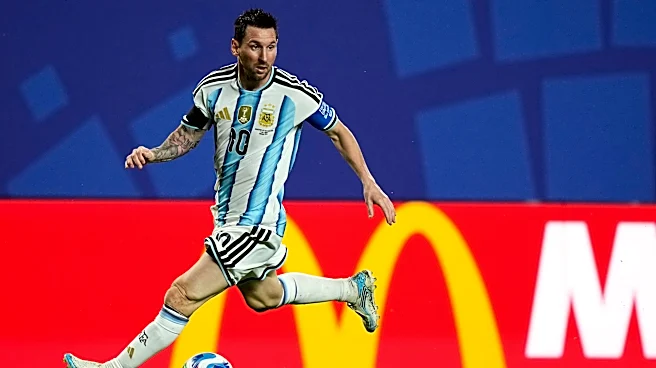
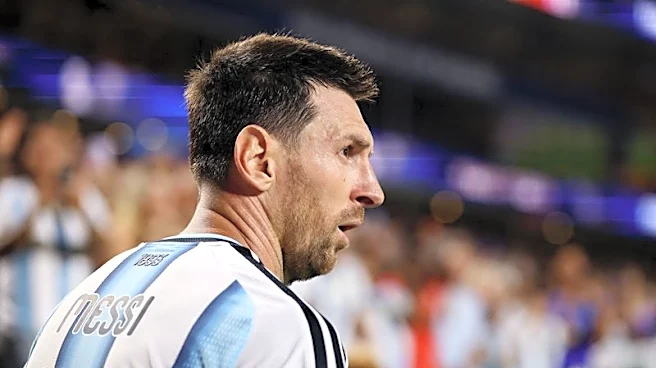
If USA vs. Mexico is a backyard brawl, this is a fight between gods. Brazil and Argentina are two of soccer's greatest superpowers, and their rivalry is a debate over who is the true soul of South American football. It’s a clash of identities that has been brewing for over a century. This rivalry is best understood through its legendary players. For decades, the global argument was Pelé (Brazil) vs. Diego Maradona (Argentina) for the title of greatest of all time. That torch has since been passed to a new generation, with stars like Neymar and Lionel Messi carrying the mantle. It isn't rooted in war, but in a deep, philosophical argument about how the beautiful game should be played. Is it Brazil’s flowing, joyful "joga bonito" or Argentina’s passionate, gritty, win-at-all-costs style? With a combined seven World Cup titles between them, every time they meet is another chapter in the argument over which nation truly owns the sport.
Netherlands vs. Germany: The Painful History
Some rivalries are about geography. This one is about history. The animosity is deeply rooted in World War II and the German occupation of the Netherlands. For the Dutch, football became a way to fight back. The rivalry’s foundational moment was the 1974 World Cup final. The Netherlands, led by the legendary Johan Cruyff, was playing a revolutionary style called "Total Football" and was the favorite to win. But in the final, hosts West Germany came from behind to win 2-1, a defeat that became a national trauma for the Dutch. One Dutch player later said he didn't care about winning, only about humiliating the Germans, because they had murdered his family during the war. The Dutch finally got their revenge in the 1988 European Championship, beating West Germany in a tense semifinal on German soil, a victory that brought the entire country out to celebrate. While the bitterness has softened in recent years, the historical weight means this is never just a game.