




The Seven-Figure Question
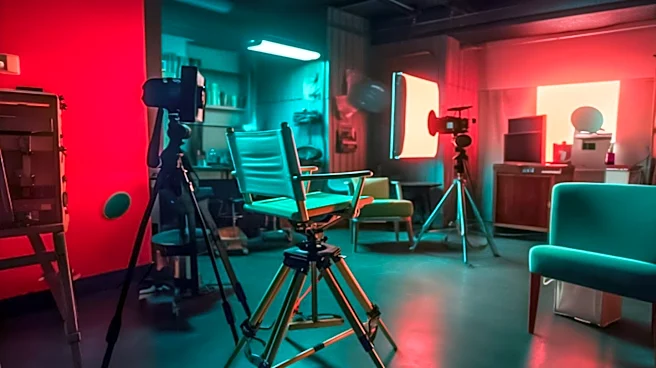
Before a single scene is shot, producers face a critical decision: build a permanent, or “standing,” set, or shoot on location? Choosing to build is a huge vote of confidence from the network. For a typical modern-day show, constructing the main permanent sets
for a first season can cost between $1 million and $1.5 million. That figure doesn't even include the separate, substantial budgets for set dressing, props, and costumes needed to make the empty rooms feel alive. This initial outlay is a capital expenditure, an investment in an asset the studio hopes will pay off for years to come. For a period drama or fantasy series, where worlds are built from scratch, these costs can skyrocket even further.
Soundstage vs. The Real World
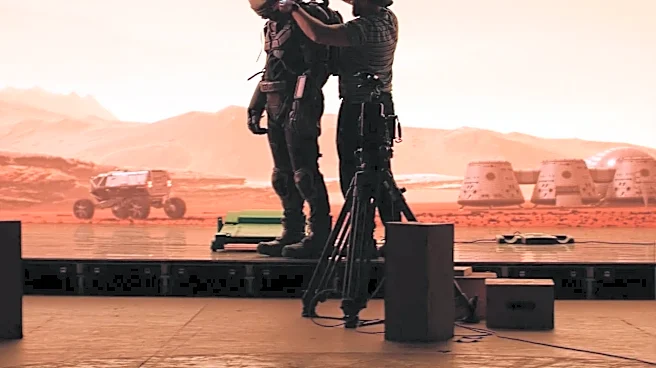
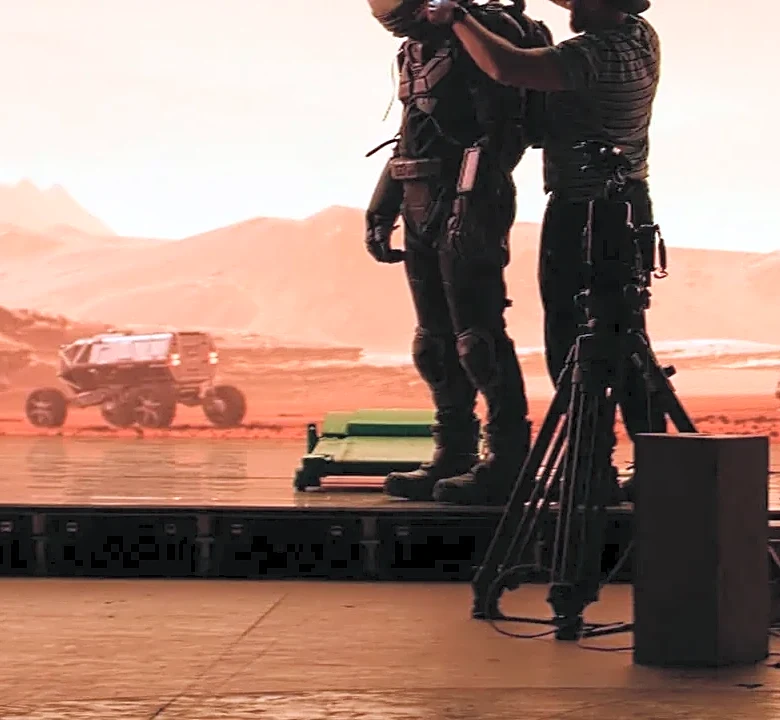
So why spend a fortune on fake walls when the real world is free? Because it isn't. Shooting on location involves a logistical nightmare of permits, transportation, security, and a complete lack of control. A passing siren, a sudden rainstorm, or a crowd of onlookers can derail a day's shoot, costing tens of thousands of dollars in wasted time. A soundstage is a controlled bubble. It's a soundproof, windowless warehouse where it’s always sunny at 7 a.m. if the script says so. Directors have total authority over lighting, sound, and camera placement. Walls can be moved or removed for the perfect shot—something the owner of that real-life brownstone you rented probably wouldn't appreciate. This control provides a level of efficiency and predictability that, in the long run, can be more cost-effective than the chaos of location shooting.
The Magic of Amortization
That massive upfront set cost isn't budgeted against the pilot episode. Instead, it's amortized, meaning the cost is spread evenly across every episode of the first season. So, a $1 million set build for a 10-episode season is budgeted as a $100,000 expense per episode. This is where the long game comes in. If the show is a hit and gets renewed, the set is already paid for. The cost per episode plummets in season two, as the only major expenses are for storage, maintenance, or minor cosmetic changes. A show that runs for multiple seasons sees a massive return on that initial investment, freeing up budget for bigger guest stars, more elaborate effects, or other production-enhancing elements.
The Graveyard of Canceled Shows
The high-stakes risk is what happens when a show isn't a hit. When a new series is canceled after just a handful of episodes, that multi-million-dollar set instantly becomes a liability. A soundstage costs thousands of dollars a day to rent, so there's immense pressure to clear it out immediately. The crew's first job post-cancellation is often demolition. Some elements might be saved—a unique staircase, a set of custom doors—and put into storage for potential use on another production. But in most cases, the meticulously crafted sets are broken down, with much of the material simply being thrown out or recycled. It's a brutal end to a massive creative and financial investment, a tangible reminder of the unforgiving economics of television.