





The Allure: A Case for Definition
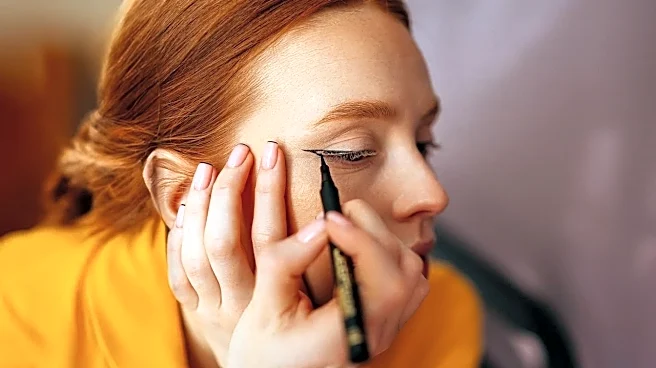
For many makeup artists, lining the waterline is a non-negotiable step for a polished or dramatic eye. The technique, also called “tightlining” when applied to the upper waterline, offers an unparalleled level of definition. Applying a dark kohl pencil
to this thin strip of skin makes the lash line appear fuller and thicker, creating a seamless depth that traditional eyeliner on the lid can't replicate. A dark line provides a bold anchor for a smoky eye, while a nude or white pencil on the lower waterline can make eyes look bigger, brighter, and more awake. It’s a versatile trick that can enhance a natural, “no-makeup” look by subtly filling in gaps between lashes or provide the intense gaze required for high-fashion and evening glamour. This aesthetic payoff is the primary reason so many artists swear by it, viewing it as essential for making eyes truly pop.
The Pushback: A Case for Caution
On the other side of the debate are makeup artists and, more pointedly, ophthalmologists, who argue that the risks outweigh the rewards. The waterline is home to the meibomian glands, which produce essential oils for a healthy tear film. Applying eyeliner directly over these glands can clog them, leading to a condition called Meibomian Gland Dysfunction (MGD), which causes chronic dry eye, irritation, and inflammation. Eye doctors warn that eyeliner pencils and brushes can harbor bacteria, and applying them to the moist environment of the waterline is a direct invitation for infections like conjunctivitis or styes. Furthermore, particles of makeup inevitably migrate into the tear film within minutes of application, which can cause blurry vision, scratch the cornea, and be particularly problematic for contact lens wearers. For these reasons, many health professionals advise against the practice entirely, stating that no product is truly safe for waterline use.
The Real Reason: It’s All About Nuance
So, who is right? The disagreement persists because both sides have valid points. The “real reason” for the divide isn't about one side being wrong, but about a fundamental conflict between aesthetic goals and medical best practices. The artists who champion waterlining aren't ignoring safety; they are relying on specific products and techniques to mitigate risk. The artists and doctors who advise against it are prioritizing long-term eye health over a temporary cosmetic effect. This leaves the debate in a gray area where the answer isn’t a simple “yes” or “no,” but rather a more nuanced “it depends.” The decision often comes down to product formulation, application hygiene, and individual factors like eye sensitivity or whether someone wears contact lenses.
A Pro-Approved Safety Checklist
For those who decide the look is worth the risk, professionals who use the technique recommend a strict protocol. First, choose the right product. Look for creamy, waterproof pencil or gel formulas specifically labeled as “ophthalmologist-tested.” These are designed to be less irritating and to stay in place better than traditional kohl, which can be prone to smudging. Liquid liners should never be used on the waterline as they can easily run into the eye. Hygiene is critical: always sharpen a pencil eyeliner before each use to create a fresh, clean surface, and never share eye makeup. For application, gently pull down the lower lid and apply with light strokes, avoiding excessive pressure. Finally, be meticulous about removal. Use a gentle, eye-safe makeup remover on a cotton swab to thoroughly cleanse the area every single night. People with sensitive eyes, pre-existing dry eye, or those who wear contacts should generally avoid the practice altogether.