





The Rise of Relaxed Tailoring
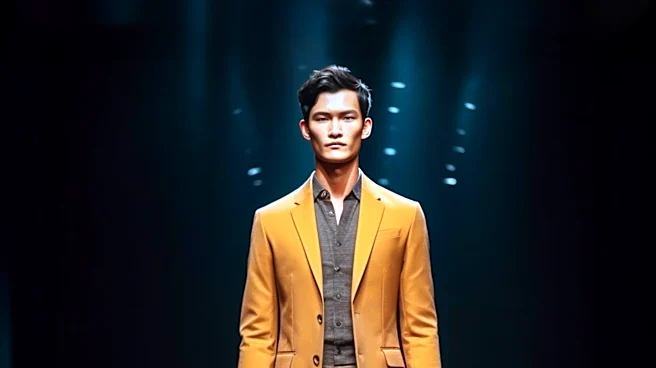
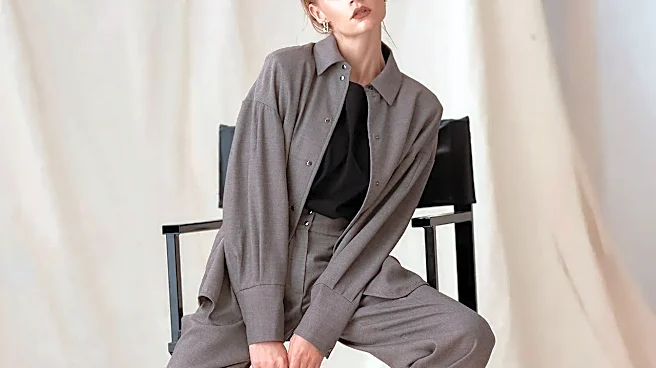
For the better part of a decade, the dominant suit silhouette was tight, tapered, and often restrictive. That era is officially over. Today, tailoring is all about ease and movement. This trend, often called 'soft tailoring', favors jackets with a more
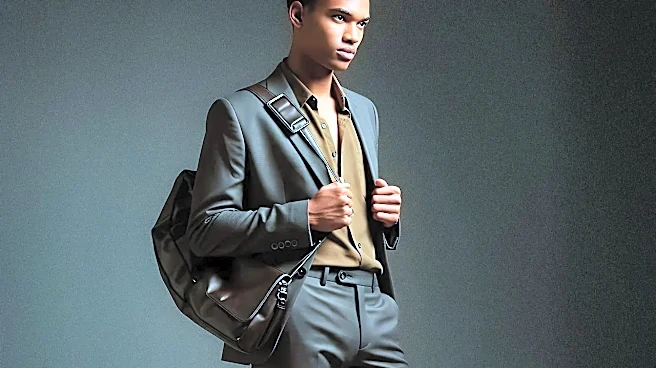
natural drape and trousers with enough room to breathe. It’s a move away from the armored feeling of old-school power suits toward something that fits a modern lifestyle, where a blazer might be thrown over a knit polo or a T-shirt. But making a jacket look relaxed without appearing sloppy is a masterclass in construction. If you remove all the internal architecture, you just get a shapeless garment. The key is to be selective, keeping just enough structure to hold a clean line.
Meet the Sleeve Head
The unsung hero of this entire movement is a small, unassuming piece of material called a 'sleeve head'. It’s not a shoulder pad in the traditional sense. A shoulder pad sits on top of your shoulder to add width or height. A sleeve head, by contrast, is a small strip of wadding or felt sewn into the seam where the top of the sleeve meets the jacket's shoulder. Its job is subtle but crucial: it supports the very top of the sleeve cap, preventing it from collapsing or drooping. Think of it as a small architectural support that smooths the transition from the shoulder to the arm, creating a clean, round shape instead of a puckered or dented one.
Structure Without the Stiffness
This is where the magic happens. A sleeve head provides just enough support to let the fabric of the sleeve fall cleanly, giving the garment that intentional, tailored look. Without it, even the most expensive fabric can collapse at the top of the arm, creating a divot that makes a jacket look deflated. In unstructured or softly constructed jackets, where traditional padding is completely removed, the sleeve head is often the only thing providing shape to the shoulder line. It fills the natural gap between your shoulder and the sleeve cap, ensuring the jacket drapes as the designer intended. This allows for a silhouette that is soft and follows the body's natural lines without sacrificing a crisp, finished appearance.
This Isn't the '80s Power Shoulder
It’s important to distinguish the subtle work of a sleeve head from the aggressive shoulder pads of the 1980s. Those pads were designed to fundamentally alter the wearer's silhouette, creating a wide, powerful, and often rigid 'V' shape. A sleeve head does the opposite; its goal is to preserve and perfect the natural shoulder line, not rebuild it. While a traditional structured suit might use both a shoulder pad and a sleeve head, the modern relaxed jacket often relies only on the latter. It’s the minimalist approach to tailoring—doing just enough to make something look effortless.
How to Spot It in the Wild
Once you know what you’re looking for, you can feel the difference instantly. When trying on a blazer or suit jacket, pay attention to the very top of the shoulder where the sleeve begins. A well-made jacket with a sleeve head will feel smooth and have a gentle, rounded roll. A jacket without one might feel flat or show a slight dimple where your shoulder bone ends. Gently pinch the top of the sleeve seam; you may be able to feel a small, soft strip of material inside. This tiny detail is a hallmark of quality construction and a sign that the maker understood the art of creating shape without adding bulk.