

The Festival Attention Economy
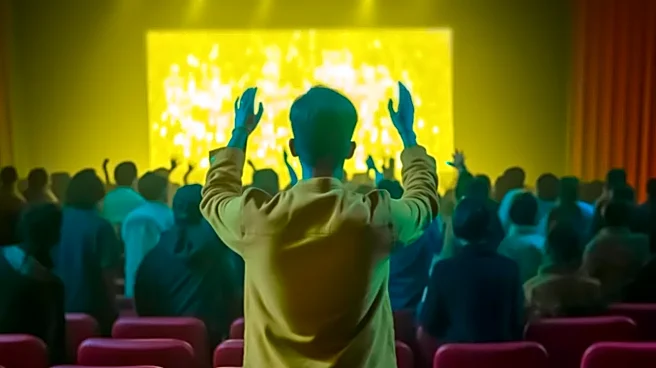
Imagine being at one of the world's most prestigious film festivals. You're surrounded by a tidal wave of content. Every day brings a dozen screenings, countless interviews, and a cacophony of social media reactions. In this environment, every film is fighting
for a finite amount of attention from critics, distributors, and audiences. Studios often bet that the best way to cut through the noise is to be the loudest, rolling out visually explosive epics designed to dominate the conversation through sheer scale. But a funny thing happens when everyone is shouting: the most noticeable voice is the one that whispers. This is the central paradox of the festival circuit.
When Less Becomes a Power Move
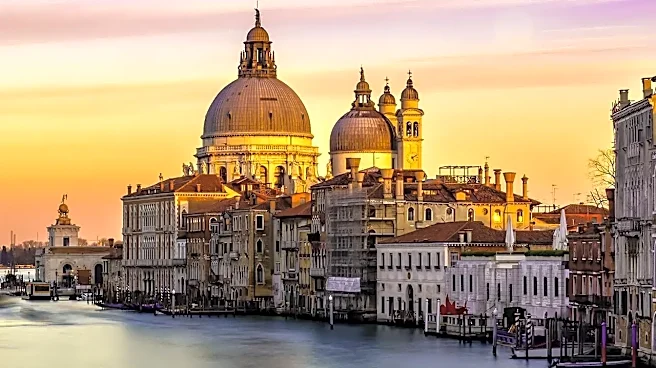
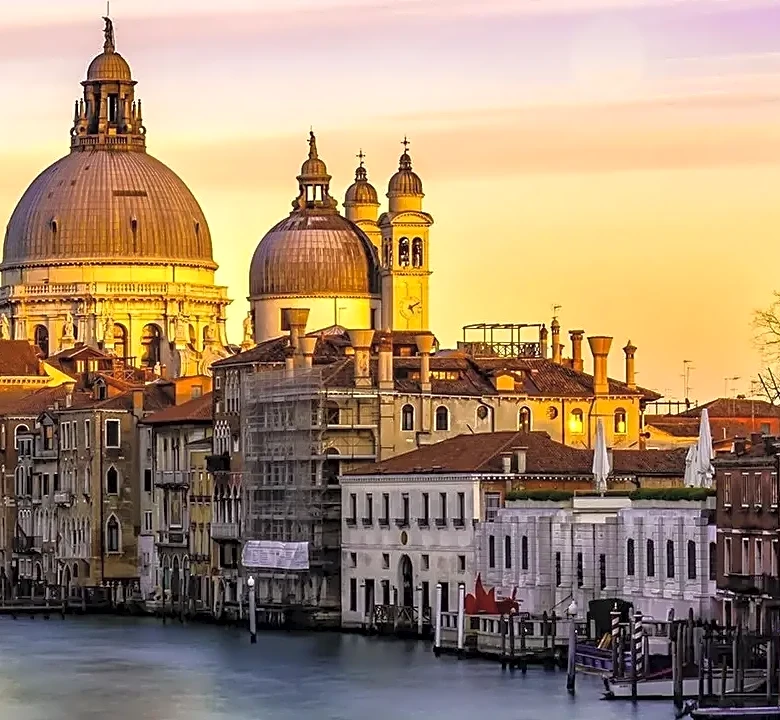
A strategically quiet film can feel like a palate cleanser. Against a backdrop of bombast, a movie that leans into silence, minimalist cinematography, and subtle performances demands a different kind of attention. It forces the viewer to lean in, to engage more deeply with character and theme rather than just reacting to sensory input. This year in Venice, early chatter is already forming around films that embrace this ethos. These are often stories that trust their audience, using stillness and nuance to build a powerful emotional impact. By rejecting the conventional wisdom of 'more is more,' these directors create an air of confidence and artistic purity that critics and cinephiles find irresistible.
The Growing Backlash to Bombast
There's a palpable fatigue in modern film culture. Audiences and critics alike have grown weary of the relentless churn of CGI-heavy blockbusters that feel more like products than films. While visually impressive, they are often seen as emotionally hollow. A restrained, character-driven drama offers an alternative. It serves as a reminder that the core of cinema is storytelling, not just spectacle. Festivals like Venice, Cannes, and Sundance have historically been the launching pad for such films, which often go on to dominate awards season. A quiet success at a festival suggests a film has the artistic merit to endure long after the initial hype for a blockbuster has faded, signaling to the industry that there is a strong appetite for thoughtful, human-scale stories.
Redefining What 'Buzz' Really Means
Ultimately, the headline-grabbing blockbuster and the quiet, contemplative drama are competing for two different kinds of buzz. One seeks immediate, widespread attention—a flash flood of social media chatter and opening-weekend headlines. The other is playing a longer game. The buzz generated by a restrained film is often more about critical acclaim, sustained conversation, and cultural longevity. It’s the kind of buzz that leads to distribution deals, rave reviews that build over time, and a place in the year-end 'best of' lists. It's less a sudden explosion and more of a slow burn, but its warmth can last much longer, solidifying a filmmaker's career and ensuring the film is remembered, not just seen.