

The Unseen Conductor in the Booth
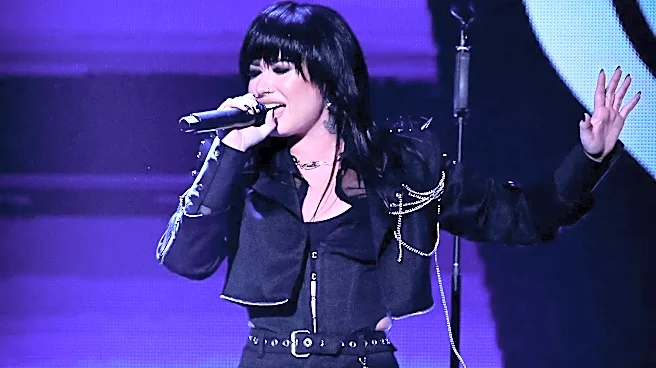
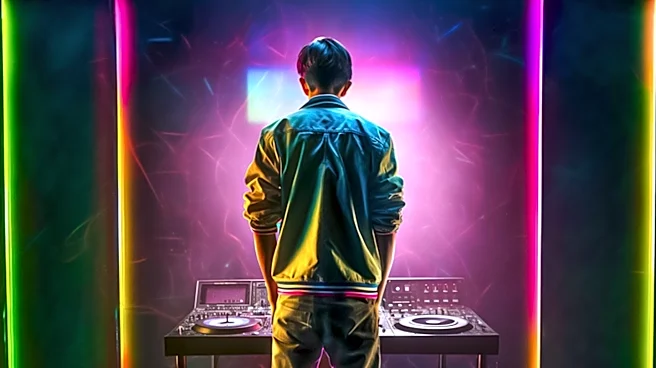
High above the crowd, often in a humble booth or truck, sits one of the most important artists at any festival: the live video director or VJ (video jockey). This person is the visual conductor of the show, responsible for everything you see on the massive
LED screens flanking the stage. They aren’t just pointing cameras at the singer. They are playing a visual instrument, mixing live camera feeds, pre-made graphics, and effects in real time to match the energy of the performance. While the band is playing instruments, the video director is playing the screens, and their performance is critical in shaping the audience's collective experience.
What Is Editing Rhythm?
Editing rhythm is the pace and timing of the cuts between different camera angles and visual elements. Think about it like a drum beat. A slow, emotional ballad calls for long, lingering shots and smooth, dissolving transitions that let the emotion sink in. A frantic punk song or a high-energy EDM track, however, demands rapid-fire cuts that hit on every single beat, creating a sense of urgency and excitement. This is called "cutting on the beat," and it's a fundamental technique to make the visuals feel synchronized and inseparable from the music. This careful synchronization makes the entire performance feel more cohesive and impactful.
The Visual Toolbox
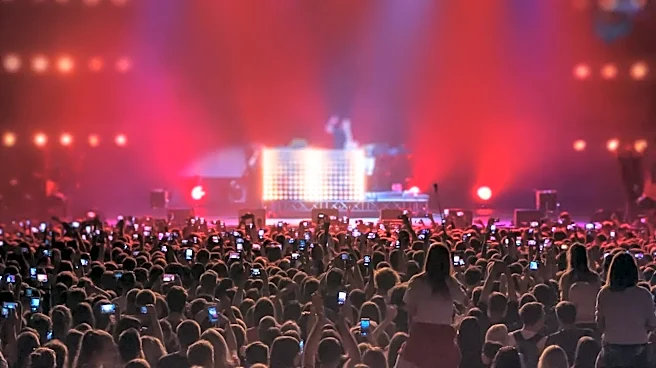
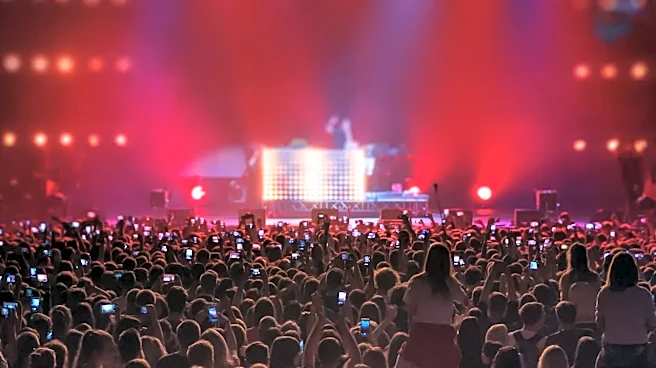
A live editor has a whole toolbox to create this rhythm. The most basic tool is shot selection. A wide shot showing the entire stage and the massive crowd creates a sense of scale and community. A tight close-up on the guitarist's fingers during a solo, or the sweat on a singer's brow, creates intimacy and focuses emotion. The director constantly toggles between these perspectives to tell a story. They also control the transitions. A hard cut provides a jolt of energy. A slow dissolve feels dreamy and reflective. They might use effects like slow motion to emphasize a powerful moment or add digital textures and colors to match a song's vibe. Each choice is designed to amplify what the music is already doing.
Pacing, Emotion, and the Beat Drop
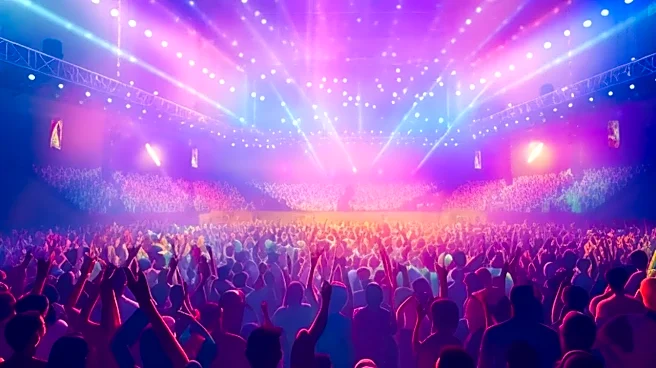
The true art of live video editing is about managing the emotional journey of the set. The director doesn't just match the current moment; they anticipate what's coming next. They know the structure of a song. They can feel when a chorus is about to hit, when a bridge is building tension, and, most importantly, when the beat is about to drop. By building the visual intensity—perhaps cutting faster and faster between close-ups and flashing lights—they create a visual crescendo that pays off at the song's peak. When the music explodes, the visuals do, too, often cutting to a massive wide shot of the ecstatic crowd at the exact right second. This feedback loop, where the audience's energy is shown back to them, magnifies the collective feeling of euphoria and makes the moment unforgettable.