




The Killer and the Kingmaker
When a young, ambitious pianist from Louisiana named Jerry Lee Lewis drove to Sun Records in 1956, he wasn't just looking for a record deal; he was looking for a kindred spirit. He found one in Sam Phillips, the visionary producer who had already captured
lightning in a bottle with Elvis Presley and Johnny Cash. Phillips didn't want polished performers; he wanted raw, untamed energy. He got more than he bargained for with Lewis. Dubbed "The Killer," Lewis attacked the piano with a ferocity that bordered on demonic, fusing boogie-woogie, gospel, and raw rhythm and blues. Hits like "Whole Lotta Shakin' Goin' On" and "Great Balls of Fire" weren't just songs; they were explosions. Phillips simply let the tapes roll, capturing a sound so wild and sexual that it prompted radio boycotts and moral outrage. For a moment, Lewis seemed poised to usurp Elvis himself as the king of rock and roll.
A Different Song, A Different Life
The industry that celebrated Lewis's musical rebellion was wholly unprepared for his personal chaos. In 1958, during a tour of the UK, the press discovered that his new wife, Myra Gale Brown, was not only his cousin but was also just 13 years old. The outrage was immediate and catastrophic. The tour was canceled, radio stations blacklisted his music, and his fee plummeted from $10,000 a night to a mere $250 in honky-tonks and bars. The industry didn't just want a different song; it wanted a different man. They had embraced his stage persona as "rock 'n' roll's first great wild man" but recoiled when that wildness bled into his real life in a way society couldn't stomach. Lewis felt betrayed, even by Sam Phillips, and his career, once a blazing fire, was reduced to embers.
The Country Comeback
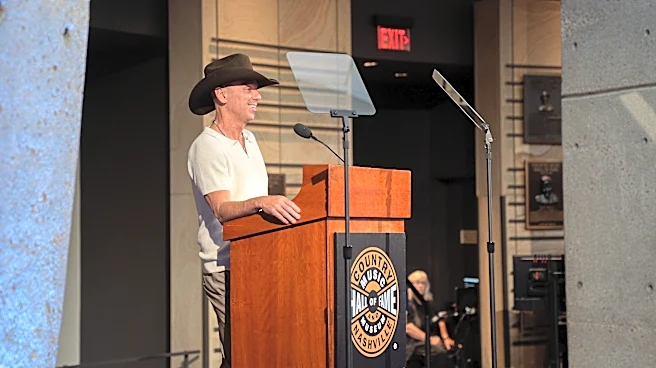
For nearly a decade, Jerry Lee Lewis was a ghost, a cautionary tale haunting the backroads of the music world. But The Killer was nothing if not a survivor. In the late 1960s, he pivoted, reinventing himself as a country artist. It was a shrewd move. While Nashville had its own set of rules, the genre had a greater tolerance for hard-living figures and stories of heartache and regret. Stripped of his rock and roll pyrotechnics, the raw, emotional core of his voice shone through on hits like "Another Place, Another Time." It wasn't the frenetic energy of "Great Balls of Fire," but it was pure, uncut Jerry Lee Lewis. He was still singing his song, just in a different key. The country world embraced him, granting him the mainstream success that had been stolen from him and eventually inducting him into the Country Music Hall of Fame in 2022.
Still Shakin' 'Til the End
Through financial ruin, personal tragedy, and the changing tides of popular music, Lewis never changed his tune. He remained a defiant, electrifying performer, known for live shows that could still feel dangerous decades after his heyday. The quote, "They wanted a different song," wasn't a complaint; it was a badge of honor, a declaration of the principle that guided his entire life. While other artists adapted, compromised, or faded away, Lewis was immutable. He was the living embodiment of the struggle between art and commerce, between a performer's authentic self and the sanitized version the world often demands. The industry never fully tamed him, and he never asked for its permission. He just kept playing, his way, until the very end.