




The Evolution from Power Suit to 'Soft' Suit
For decades, the Italian suit was synonymous with sharp, structured power. Think of the crisp shoulders and commanding presence of an Armani suit in the 1980s. It was clothing as a statement of ambition and authority. But the recent collections from Milan’s
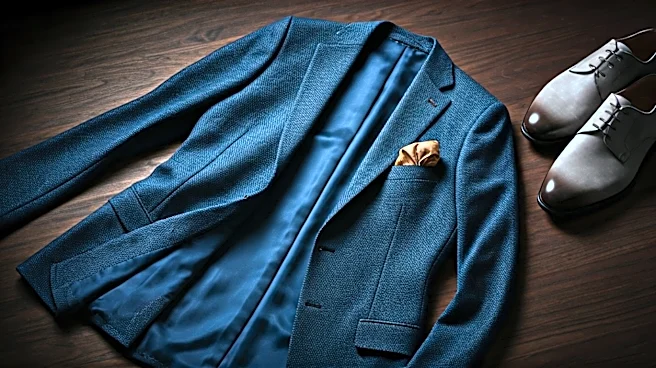
most influential houses—including Zegna, Prada, and Fendi—are telling a different story. The modern suit has been deconstructed. Jackets are softer, often unlined, with natural shoulders that drape rather than command. Trousers are wider, pleated, and prioritize ease of movement. The fabrics themselves have changed, with an emphasis on lightweight wools, technical blends, and even luxe jersey materials that feel more like knitwear than traditional worsted wool. This isn't just an aesthetic tweak; it’s a fundamental rethinking of what a suit is for. It’s no longer just for the boardroom. It’s for life.
Comfort, Versatility, and the New Consumer
This shift toward 'soft tailoring' is a direct response to a changed consumer mindset, one heavily influenced by the pandemic-era embrace of comfort. After years of working from home in elevated loungewear, the luxury customer is unwilling to return to restrictive, uncomfortable clothing. They demand that their formalwear feel as good as their casualwear. This has created a new category of clothing that blurs traditional lines. Is it a suit jacket or a sophisticated cardigan? Is it a dress trouser or a refined alternative to a jogger? The answer is both. This versatility is the new key to value. A modern luxury consumer wants to buy fewer, better things. A suit that can be broken up—the jacket worn with jeans, the trousers with a t-shirt and sneakers—offers a far greater return on investment than a formal, occasion-specific garment. Brands that understand this are creating pieces that can transition seamlessly from a Zoom call to a dinner out, from a business trip to a weekend stroll.
A Blueprint for 'Quiet Luxury' Retail
Milan’s suiting trends are a microcosm of the larger 'quiet luxury' or 'stealth wealth' movement dominating retail. The focus is no longer on loud logos and conspicuous branding, but on impeccable craftsmanship, superior materials, and timeless design. The new Milanese suit is the perfect embodiment of this ethos. Its value is communicated through its cut, fabric, and feel, not a visible brand name. For luxury retailers, this is the road map. The future isn't about stocking the flashiest 'it' items of the season. It’s about curating a selection of beautifully made, versatile, and understated pieces that customers will want to wear for years. This requires a shift in buying strategy, away from trend-chasing and toward building a core assortment of high-quality essentials. The sales associate’s job also changes; it becomes less about pushing a particular look and more about helping a client understand how a single, well-made blazer or pair of trousers can integrate into their existing wardrobe in multiple ways.
From the Runway to the Retail Floor
The implications extend beyond men's suiting to all categories of luxury goods. The demand for comfort, versatility, and discreet quality is reshaping everything from women's ready-to-wear to handbags and footwear. The stiff, structured tote is giving way to the soft, slouchy carry-all. The sky-high stiletto is being challenged by the elegant, well-made flat or block heel. Luxury retailers must listen to these signals. The store environment should reflect this new mood, feeling more like a welcoming, comfortable space than a cold, intimidating temple of high fashion. Marketing should emphasize longevity and craftsmanship over fleeting trends. The lessons from Milan are clear: the brands and retailers that will thrive are those that respect their customers’ intelligence and their desire for real, tangible value in a post-ostentatious world. The suit is just the beginning; it’s the canary in the coal mine for a smarter, more discerning luxury market.