





More Than Just a Coin Toss
On paper, the soccer captain has surprisingly few official duties. According to the laws of the game, their only defined responsibilities are to participate in the pre-game coin toss to decide who kicks off and which goal to attack, and to be the designated
point of contact for the referee. When a referee needs to explain a decision or issue a team-wide warning, they call the captain over. That’s it. If you stopped there, you’d think the role was mostly ceremonial. But that would be like saying the CEO’s only job is to sign documents. The official duties are the smallest, least important part of the job. The armband is a signal to everyone—teammates, opponents, fans, and officials—that this person is the leader. Their real job happens in the 90 minutes of chaos, and it’s almost entirely unwritten.
The On-Field Coach and General
Soccer is a fluid, continuous game. Unlike American football, there are no timeouts for the coach to call a new play. The manager is stuck on the sideline, often shouting unheard into the roar of the stadium. This is where the captain earns their keep. They are the coach’s extension on the field, the one player trusted to translate strategy into real-time action.
Watch the captain during a game. Are they screaming at the defensive line to push up? Are they calmly telling a midfielder where to be? When the team is under pressure, the captain is the one organizing the shape, demanding more intensity, or slowing the game down to regain control. They are a tactical brain in the middle of the storm. If a young player is out of position, the captain is often the first one to pull them aside and correct them, protecting them from the coach’s sideline fury. They aren't just playing the game; they are managing it.
The Heartbeat of the Team
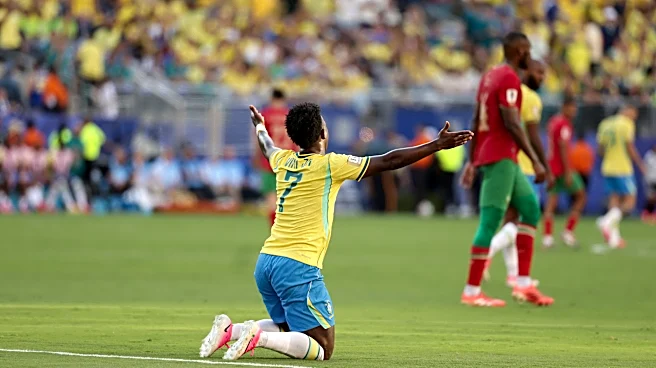
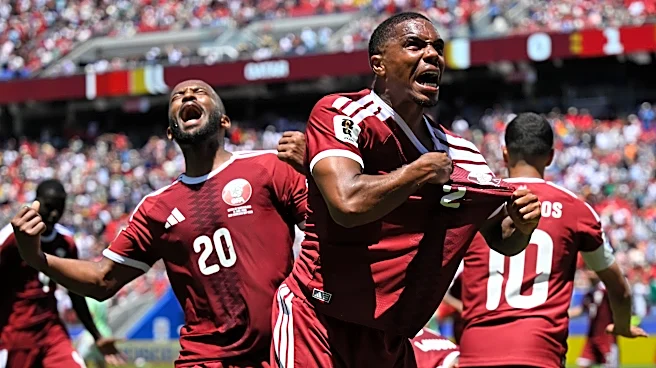
Beyond tactics, the captain is the team's emotional barometer. Their reaction to a situation becomes the team’s reaction. If the team concedes a cheap goal, does the captain slump their shoulders in defeat, or do they immediately grab the ball, run it back to the center circle, and roar at their teammates to refocus? That single act can change the momentum of an entire match.
They are also the team’s enforcer and protector. When an opponent puts in a nasty tackle on a star player, you’ll often see the captain get in the offender's face first—not necessarily to start a fight, but to send a message: 'We will not be intimidated.' Conversely, if a teammate is losing their temper and risks a red card, the captain is the one who physically pulls them away from the confrontation. They manage the collective psyche of eleven individuals, keeping them balanced between passion and discipline.
Ambassador for the Nation
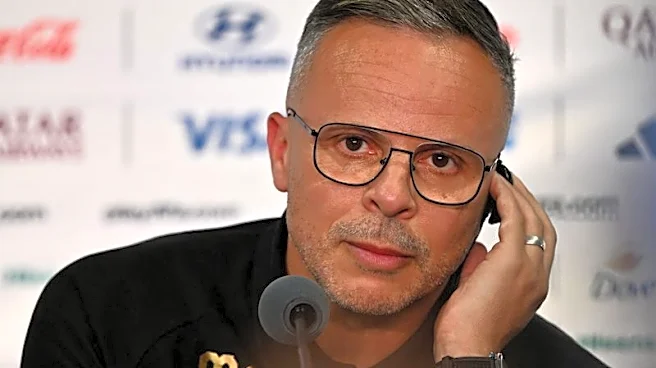
During a major tournament like the World Cup, the pressure escalates. The captain is no longer just leading a team; they are representing the hopes and dreams of an entire country. They are the player wheeled out for the tense pre-game and post-game press conferences. They must answer for a devastating loss or find the right words after a glorious victory. They are expected to be eloquent, poised, and respectful, even when facing intense media scrutiny or crushing disappointment.
This role is part-diplomat, part-psychologist. Think of legendary captains like Italy’s Paolo Maldini or Spain’s Iker Casillas, who were revered for their class and composure. They embodied the character of their teams and their nations on a global stage. The armband signifies that this person has the strength of character to carry that immense weight.