


The Detail: A Softer Approach
So, what was the big secret whispered on the runways of Zegna, Prada, and Giorgio Armani? It wasn't a radical new color or an outrageous pattern. It was the near-total disappearance of stiffness. The modern suit, as defined in Milan, is soft. We’re talking
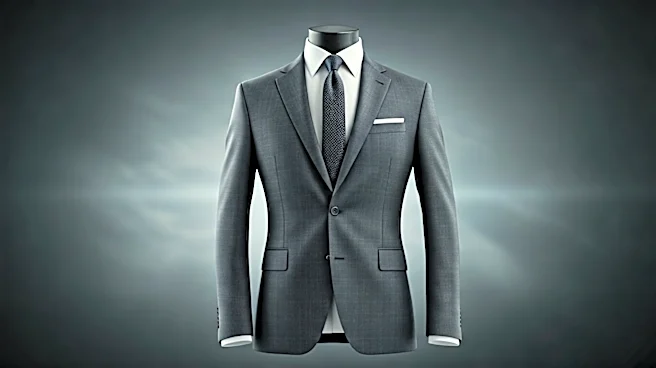
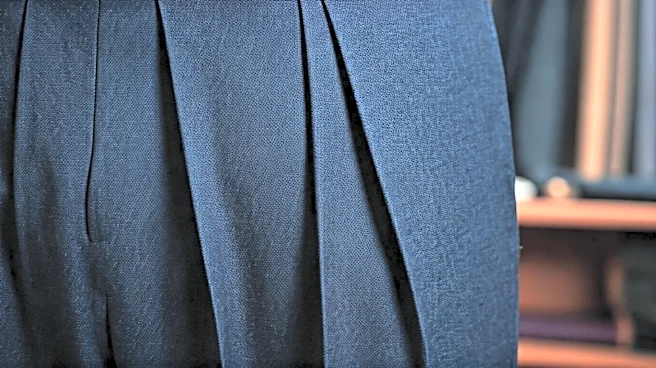
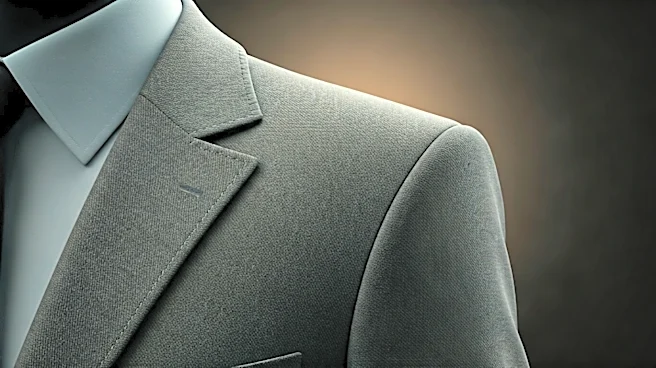
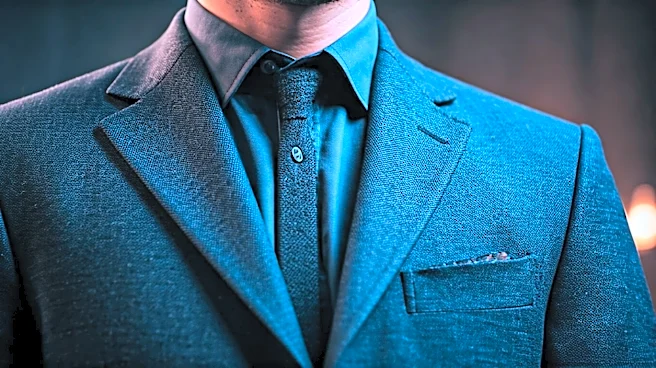
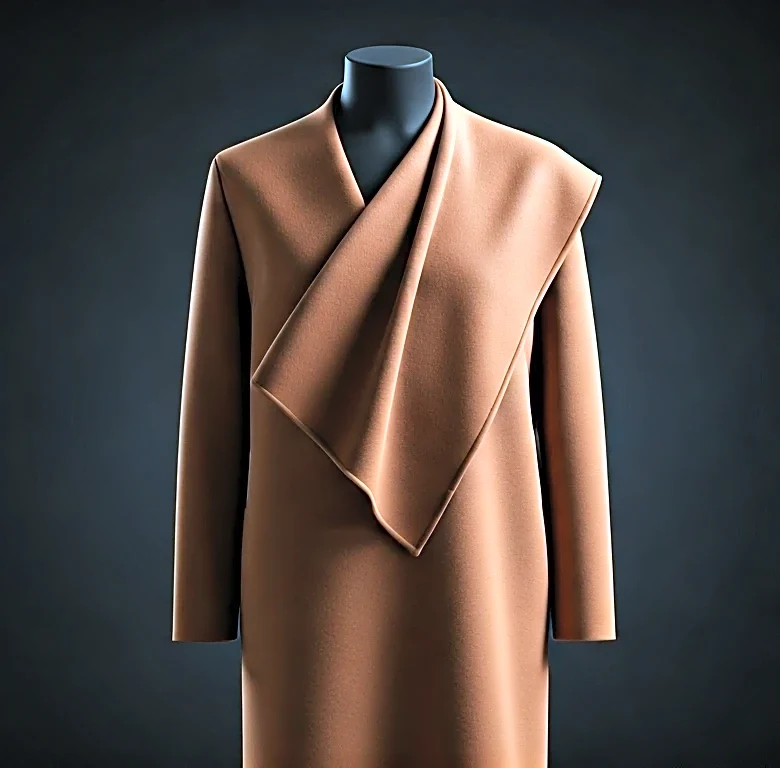
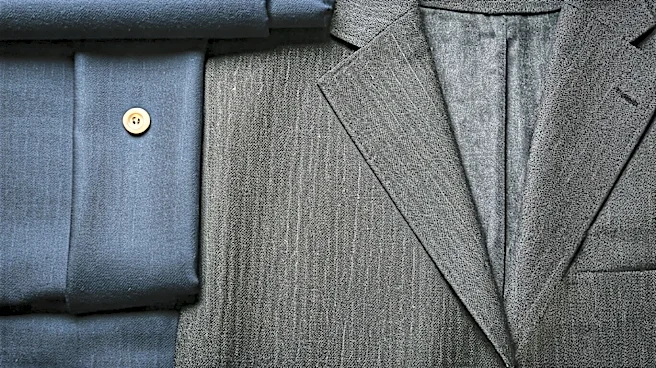
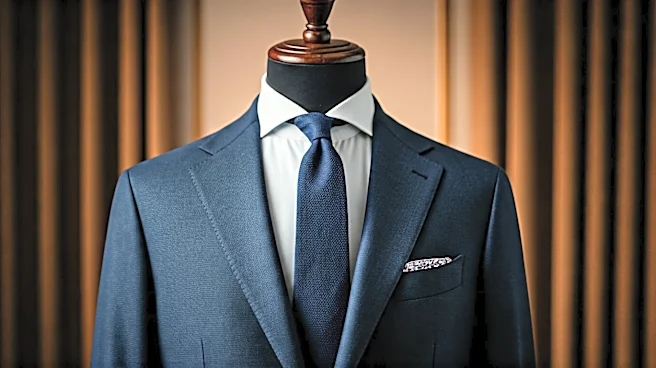
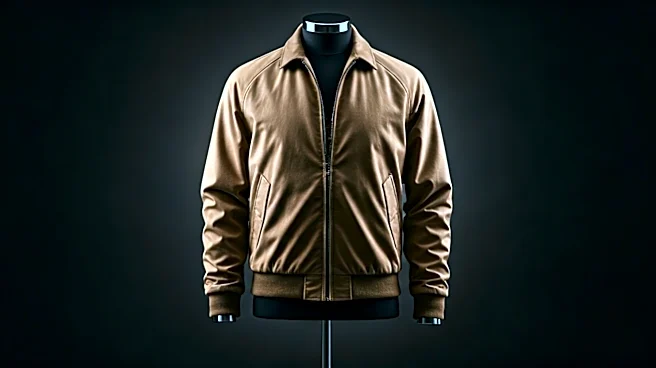
about deconstructed blazers with little to no shoulder padding, unlined jackets that drape like a cardigan, and trousers cut for movement, not just for standing still. Think of the traditional power suit as armor: rigid, structured, and designed to project an image of impenetrable authority. This new suit is its opposite. It’s made from lighter, more fluid fabrics like linen blends, lightweight wools, and even technical materials. The silhouette is relaxed, prioritizing the comfort of the wearer over the enforcement of a strict dress code. It’s less about conforming to an external ideal and more about inhabiting your own skin, comfortably and confidently.
The Post-Pandemic Influence
You can draw a straight line from the last few years of Zoom calls in a blazer and sweatpants to this very trend. The global experiment in remote work permanently altered our relationship with professional attire. We got used to being comfortable, and there’s no going back. The office is no longer the sole domain of the suit, and when we do choose to wear one, our expectations have changed. This new, softer suit is the perfect uniform for the hybrid-work era. It’s polished enough for an important in-person meeting but comfortable enough that you don’t feel like you’re wearing a costume at your home desk. It closes the gap between the C-suite and the couch, offering a stylish third way that feels both elevated and effortless. It’s a garment that acknowledges you have a life—and a body—outside the boardroom.
Redefining Power and Masculinity
This sartorial shift is about more than just comfort; it’s about a new definition of power. The old, structured suit was a symbol of a rigid, top-down corporate hierarchy. Its very construction was meant to broaden the shoulders and create a formidable presence. It was about intimidation as much as it was about style. The modern, deconstructed suit projects a different kind of strength. It suggests confidence that comes from within, not from an external shell. It signals approachability, collaboration, and emotional intelligence—qualities increasingly valued in the modern workplace. By shedding the literal and figurative padding, the wearer appears more authentic and self-assured. This isn’t the aggressive masculinity of Wall Street in the '80s; it’s a quieter, more secure version that finds power in ease rather than in armor.
Why This Runway Trend Affects You
It’s easy to dismiss runway fashion as an abstract fantasy, but trends that begin in Milan have a funny way of ending up in your local mall. What Zegna and Armani do today, brands like J.Crew, Club Monaco, and even Target will be interpreting tomorrow. The rise of the soft suit means that in the coming seasons, you’ll find more versatile, comfortable, and less intimidating options when you’re shopping for a formal event, a wedding, or a job interview. This trend breaks the suit out of its ceremonial prison. The blazer from a soft suit can be thrown over a t-shirt and jeans. The trousers can be worn with a simple knit sweater. The pieces become building blocks for a versatile wardrobe, not a single-use outfit you dread wearing. It’s the ultimate validation that looking good and feeling good are no longer mutually exclusive.