




The Peacocking Paradise of Pitti
First, let's get our terms straight. Pitti Uomo is not just a trade show; it's the semi-annual Olympics of menswear. Buyers, editors, and influencers descend upon the Fortezza da Basso to see what’s next, but the real show is often outside. The attendees,
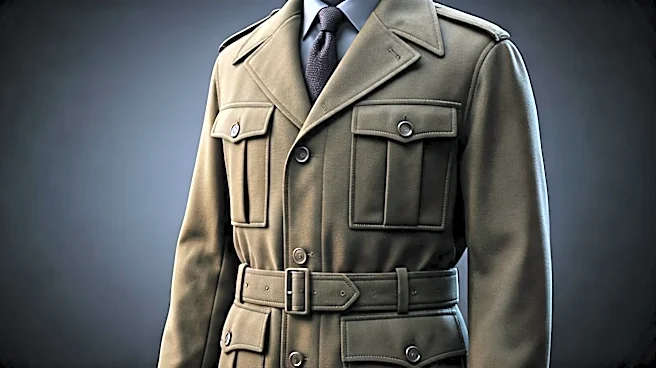
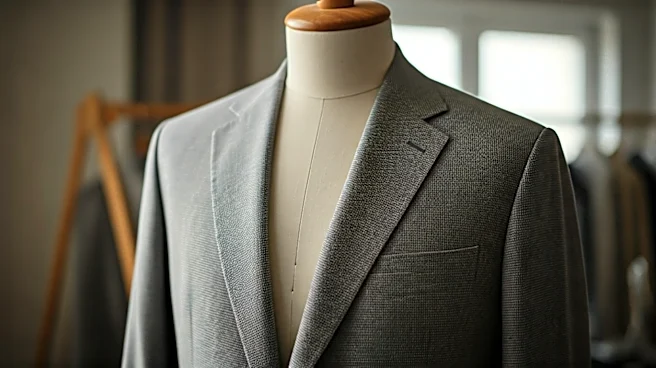
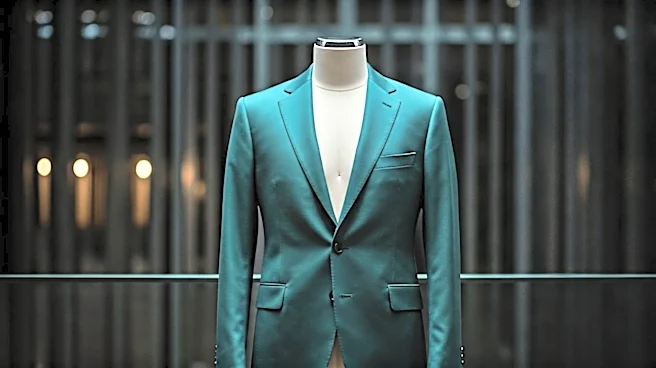
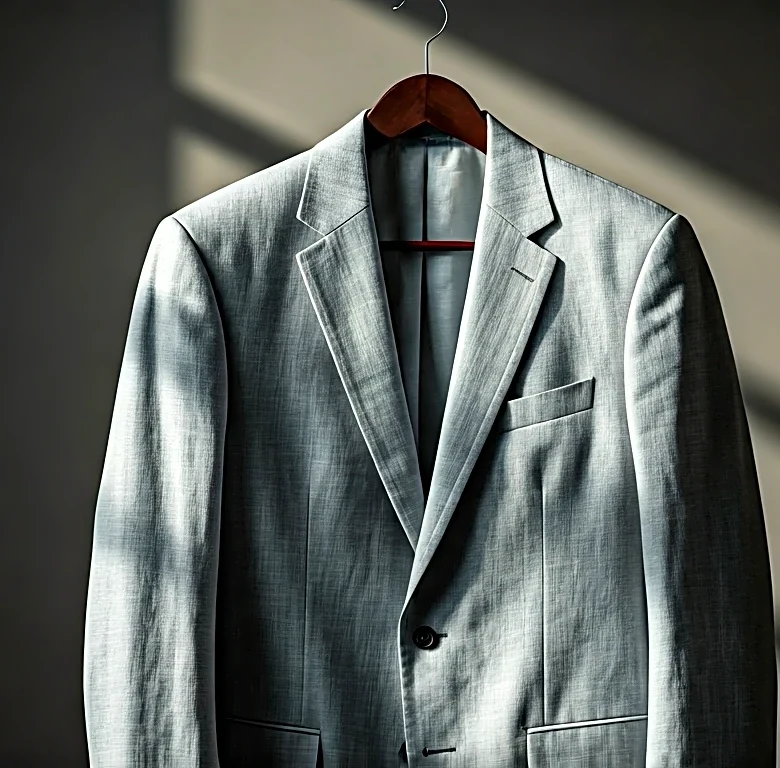
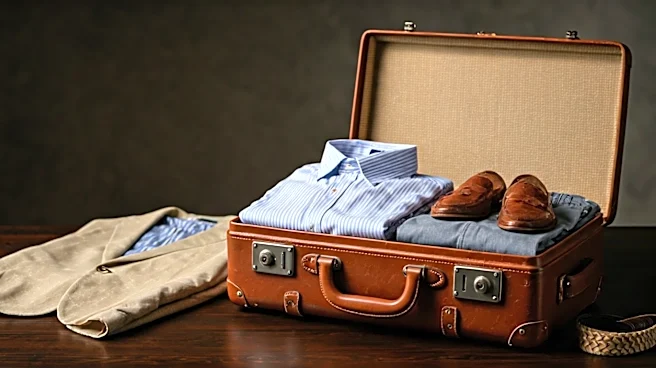
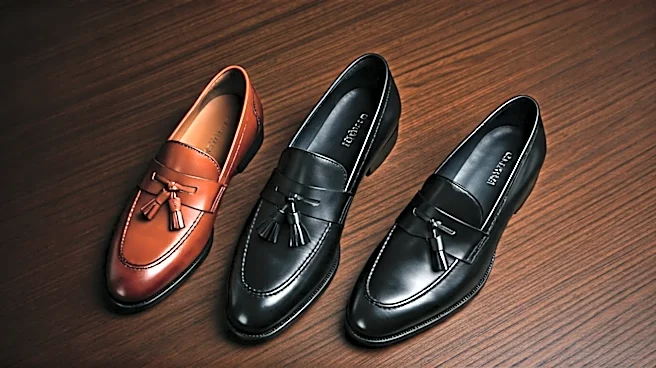
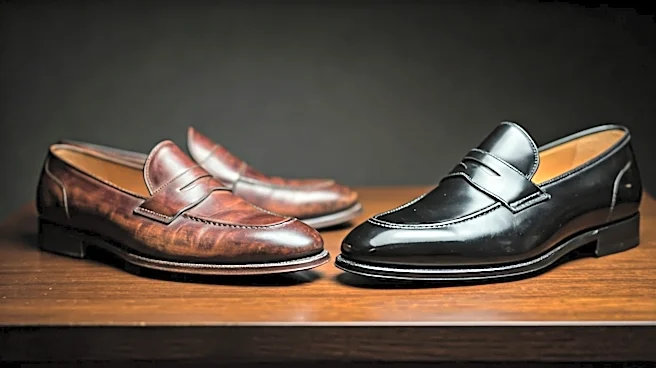
known as “Pitti Peacocks,” are famous for their extravagant street style. They are masters of sprezzatura—a distinctly Italian concept of studied carelessness. It’s the art of looking impeccably put-together while seeming like you just threw it all on. For decades, the Pitti look has been a masterclass in classic tailoring, albeit with a theatrical flair. Think double-breasted blazers in bold checks, artfully unbuttoned shirts, perfectly cuffed trousers, and a symphony of pocket squares, tie bars, and suede loafers. It’s a celebration of menswear’s heritage, a fortress of sartorial rules meant to be expertly bent, but never broken. The silhouette, however, has remained largely consistent: a structured shoulder, a nipped waist, a crisp trouser leg. It’s formal, powerful, and deeply rooted in a traditional vision of masculinity.
The Chalamet Effect: Deconstructing the Suit
Enter Timothée Chalamet. On paper, his style has little to do with the Pitti playbook. Where Pitti is structured, he is fluid. Where Pitti is classic, he is experimental. He and his stylist, Ryan Hastings, have systematically dismantled the modern suit, treating it not as armor but as a second skin. This is the essence of “soft tailoring.” It’s a suit without the rigidity—unstructured shoulders, flowing fabrics, and silhouettes that move with the body instead of constricting it. Think of his most iconic moments. The Haider Ackermann look for the Venice Film Festival: a shimmering, backless halter top paired with slim trousers. It had the components of a formal outfit but was executed with a sensuality that defied gender norms. Or the Virgil Abloh-designed Louis Vuitton harness over a black shirt at the Golden Globes, which launched a thousand memes and a serious conversation about what a man could wear on the red carpet. Even his more “traditional” suits, like the powder blue Prada ensemble at the Oscars, are often rendered in silky, lightweight materials that drape and flow, prioritizing comfort and a certain vulnerability over corporate stiffness.
From Sprezzatura to Sensitivity
Here’s the argument: Chalamet’s approach is not the antithesis of the Pitti spirit, but its next logical evolution. The core of sprezzatura has always been about expressing individuality within the confines of tailoring. The Pitti Peacock uses a bold tie or a rakishly angled fedora to say, “I am not just another man in a suit.” Chalamet does the same, but he changes the suit itself. His rebellion isn’t in the accessories; it’s in the architecture of the garment. By trading stiff canvas for silk, shoulder pads for a natural drape, and a restrictive tie for an open neckline (or a harness, or nothing at all), he makes a powerful statement. He’s showing that modern elegance doesn’t have to be rooted in the boardroom aesthetic of the 20th century. This new form of tailoring communicates a different kind of confidence—one that is quieter, more introspective, and comfortable with ambiguity. It’s a shift from peacocking as a show of dominance to peacocking as a show of self-awareness. It’s sprezzatura for an era that values sensitivity as much as strength.
A New Blueprint for Leading Men
Ultimately, Chalamet’s style resonates because it mirrors a broader cultural shift. The archetype of the stoic, emotionally invulnerable leading man is fading, replaced by figures who are complex, sensitive, and unafraid of their own softness. His film roles often reflect this, and his wardrobe follows suit. His clothing doesn't project an unapproachable, hyper-masculine ideal. Instead, it invites you in. It suggests that strength can be gentle and that formality can be comfortable. This is why he belongs in the Pitti Uomo conversation. While the attendees in Florence are perfecting a beautiful, established language, Chalamet is writing a new chapter. He is proving that the most exciting developments in menswear aren't just about finding a new pattern for a blazer, but about rethinking what a blazer is for. He’s providing a blueprint for a generation of men who see clothing not as a uniform to conform to, but as a tool for genuine self-expression.