




The Clockwork Kingdom of Broadcast TV
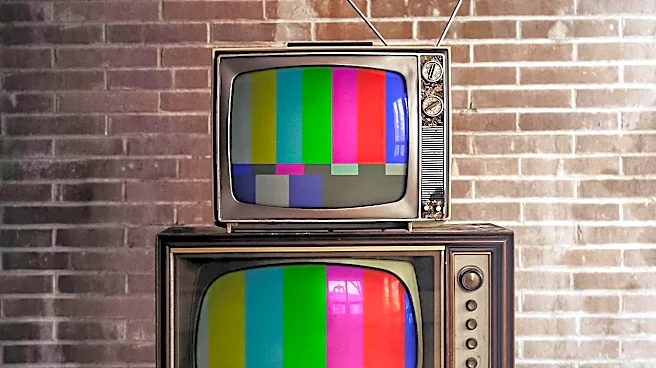
For decades, the television universe ran on a predictable, profitable clock. September was the main event. Following the “upfronts”—where networks sold the bulk of their ad inventory for the upcoming year—the fall premiere season kicked off. The goal
was simple: launch a slate of new and returning shows, hope they hit, and keep them on the air for a 22-episode season. The entire model was built around creating a reliable schedule for advertisers and audiences alike. But the real financial prize wasn't just ad revenue. The holy grail was syndication. If a show reached the magic number of roughly 100 episodes, it could be sold into reruns on other networks and local stations, generating a massive, long-tail revenue stream for years, even decades. This backend profit potential is what made hits like Friends and Seinfeld not just popular, but staggeringly wealthy assets for their creators and studios.
The Always-On Streaming Disruptor
Then came streaming, which operates on a completely different economic engine. Streamers like Netflix, Disney+, and Max aren't primarily beholden to advertisers, so the September-to-May broadcast calendar is irrelevant to their business model. Their main objective isn't selling commercial slots; it's acquiring and retaining subscribers. This creates an incentive to be “always on.” Instead of concentrating their big releases, streaming services drop new shows and movies year-round to prevent “churn”—the industry term for when customers subscribe to watch one show and cancel immediately after. While binge-watching full seasons at once was the initial hook, platforms are now experimenting with weekly or hybrid releases to keep subscribers engaged over a longer period, creating sustained buzz. The goal is no longer to own a specific night of the week, but to occupy a permanent space in a household's monthly budget.
Replacing the Jackpot with an Upfront Payday
The most profound economic change has been the death of the syndication jackpot, replaced by the “cost-plus” model. In the old system, a studio financed a show at a deficit, hoping to recoup costs and earn massive profits on the backend through reruns. Streaming platforms flipped the script. They typically pay the full production cost upfront, plus a fixed premium of around 10-30%, guaranteeing the production company a profit from day one. This sounds great for creators, as it removes the initial financial risk. However, it also eliminates the potential for a massive syndication windfall. The streamer owns the global rights forever, absorbing all the risk but also hoarding all the long-term rewards. This shift was a central issue in the 2023 Hollywood labor strikes, as it fundamentally altered how writers and actors were compensated, shrinking the residual payments that once formed a crucial financial safety net.
The Fragmented Future of Premieres
So, is the September premiere week completely dead? Not entirely, but its purpose has changed. Broadcast networks still debut their fall lineups, but it's no longer the singular, culture-defining event it once was. Viewership for traditional TV has been steadily declining as streaming becomes the dominant way people watch television. In May 2025, streaming's share of TV viewing officially surpassed the combined total of broadcast and cable for the first time. Today, a major series premiere is just as likely to happen on a random Tuesday in March as it is during the third week of September. The cultural “water cooler” has been replaced by niche, algorithm-driven communities online. Marketing for new shows is less about blanketing the airwaves and more about micro-targeting viewers whose data suggests they'd like a particular series. This creates a landscape with more choice than ever but fewer shared pop-culture moments.