








So, What Is ‘Prestige Comedy’?
Forget the laugh tracks and the tidy, reset-at-the-end-of-the-episode sitcoms of yesteryear. “Prestige comedy” is a different beast entirely. These are typically half-hour shows that feel more like miniature indie films than traditional television. They
are single-camera productions with a cinematic look, serialized plots that carry over week to week, and a willingness to get dark and complicated. Shows like 'Barry,' 'Hacks,' and 'Atlanta' are prime examples. They blend genres, swinging from laugh-out-loud moments to scenes of intense drama, trauma, or existential dread, often within the same episode. The humor doesn't come from a setup-punchline formula. Instead, it bubbles up from the deeply flawed, morally complex characters and the uncomfortable situations they navigate. It’s a comedy that values character development and social commentary over a steady stream of jokes, prioritizing a feeling or a theme over a simple laugh.
The Sitcom and the Comfort Zone
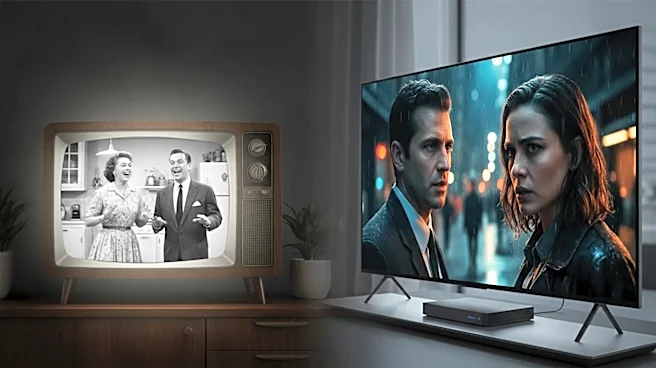
For generations, particularly Gen X and the Baby Boomers, comedy meant the sitcom. Think 'Cheers,' 'Friends,' or 'Seinfeld.' These shows were built on a reliable foundation: a multi-camera setup often in front of a live studio audience, a familiar set of locations, and characters whose core traits rarely changed. The goal was broad, accessible humor designed to bring a wide audience together for a shared laugh. There’s a comforting rhythm to this format; you know what you’re getting, and the conflicts are almost always resolved within 22 minutes. This structure provided a form of televisual comfort food—predictable, satisfying, and easy to digest. For viewers who grew up on this diet, the ambiguity and tonal shifts of prestige comedy can feel less like a feature and more like a bug. It's not that the shows aren't good, but they're speaking a different comedic language.
Why Younger Viewers Embrace the Blur
Millennials and Gen Z, on the other hand, have come of age in a completely different media landscape. Raised on the internet, they are native to a world of tonal whiplash, where a tragic news story sits next to an absurd meme in their social media feed. This has made them more fluent in dark humor and satire. For these viewers, the appeal of prestige comedy lies in its honesty about the messiness of modern life. Shows like 'The Bear' resonate because they reflect the economic anxiety and high-stress realities facing younger generations. They are less interested in the escapism of the traditional sitcom and more drawn to stories that explore trauma, mental health, and moral ambiguity without offering easy answers. Laughter isn't an escape from the darkness; it's a reaction to it. This audience doesn't just want to laugh; they want to feel seen in their complexity.
A Divide or an Evolution?
To call it a simple “divide” might be missing the point. It’s less a rigid split and more an evolution of the art form itself. Every generation has its preferred comedic style, often shaped by the culture and technology of their formative years. Boomers and Gen X had the shared cultural experience of network television, where sitcoms reigned supreme. Millennials and Gen Z have streaming, which allows for niche tastes and more daring, author-driven storytelling. While some studies show younger viewers gravitating toward the short-form, authentic humor of platforms like TikTok, they are also the primary audience for these complex, serialized comedies. Ultimately, the rise of prestige comedy doesn't mean the sitcom is dead—it just means that television is big enough for both. What feels like a division is actually a diversification, a sign that TV comedy is maturing and branching out to reflect a more fragmented and complicated world.