







TikTok’s Historical Blender
TikTok operates like a cultural blender with no lid, flinging bits of different eras into a chaotic, often brilliant, new concoction. One minute, it’s the Y2K revival, bringing back low-rise jeans and butterfly clips. The next, it’s the “Old Money” aesthetic,
where Gen Z adopts the quiet luxury of their grandparents’ generation. The platform’s algorithm doesn’t care about chronological order; it only cares about engagement. This creates a strange flattening of time, where the 1970s, the 2000s, and even the 1770s are all just aesthetics waiting to be mined for content. Historical accuracy is secondary to the vibe. A corset isn't about Victorian social constraints; it's about the silhouette. In this environment, a colonial wig isn't a history lesson—it’s a prop, an accessory ripe for ironic reinterpretation.
From Status Symbol to Status Update
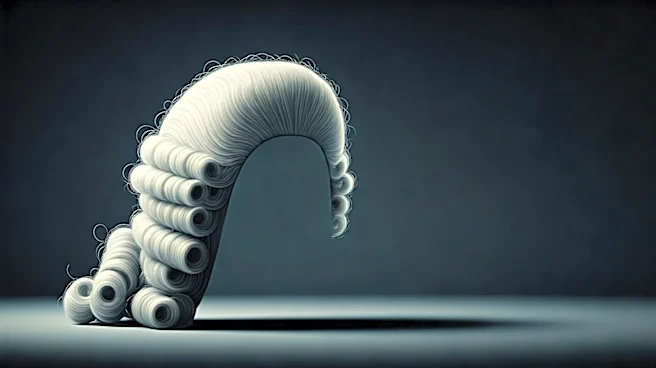
Before they were potential meme fodder, colonial wigs were serious business. In the 18th century, these elaborate hairpieces were the ultimate status symbol. A big, powdered wig signaled wealth, authority, and social standing, worn by judges, wealthy merchants, and the founding fathers. They were also a practical, if grim, solution to the era's problems—hiding hair loss from diseases like syphilis and providing an easy way to manage lice by shaving one's own hair. A full-bottomed wig could cost as much as a worker’s monthly wages. Fast forward to today, and that gravitas is exactly what makes them so funny. Taking an object so deeply tied to power, formality, and a pre-industrial world and dropping it into a 15-second video creates a perfect storm of comedic contrast. The historical weight of the wig becomes the punchline.
But Why... Again?
The headline’s use of the word “again” is key. Mocking the stiff formality of early American history is a time-honored internet tradition. Long before TikTok, the internet of the 2010s was rife with “Founding Father” memes. Images of George Washington or Thomas Jefferson were overlaid with sarcastic text, recasting them as hipsters, bros, or complainers. These early memes walked so that a TikTok trend could run. They established a precedent for viewing historical figures not as marble statues, but as relatable, flawed characters ripe for satire. This potential TikTok trend wouldn't be starting from scratch; it would be the spiritual successor to an entire genre of internet humor, updated for a video-first generation. The joke is the same—puncturing pomposity—but the delivery method has evolved from static image macros to viral video formats.
Anatomy of the Next Viral Joke
So how would it actually happen? The formula is predictable. A creator might find an obscure, overly dramatic audio clip from a historical film and pair it with a cheap party-store wig, striking a stoic pose while chaos erupts in the background. Or perhaps a new filter will digitally place a powdered wig on anyone’s head, leading to a flood of videos featuring pets, babies, and baristas suddenly looking like they’re about to sign the Declaration of Independence. The trend wouldn't be about historical reenactment. It would be about the absurdity of juxtaposition. Imagine a colonial wig paired with a trap beat, or a user giving a deadpan makeup tutorial while wearing one. The humor comes from the deliberate anachronism and the shared understanding that none of it is meant to be taken seriously. It's a joke that works precisely because the wig is so out of place in our modern, hyper-casual world.