


A Rebellion in Fabric Form
The return of the '70s silk scarf isn't about playing dress-up. It's about channeling an era defined by a dramatic shift in masculinity. The 1970s were a period of aesthetic rebellion. Think of the louche glamour of rock stars like Mick Jagger and David
Bowie, or the gritty elegance of actors like Al Pacino in his prime. The silk scarf, worn loosely around the neck, was more than an accessory; it was a flag of confidence. It signaled a departure from the rigid, buttoned-up uniform of the mid-century man and a move toward something more fluid, flamboyant, and self-aware. By reviving it, the modern Pitti attendee isn't just borrowing a vintage look; he's borrowing that very specific, unapologetic attitude.
The Ultimate 'Sprezzatura' Move
To understand Pitti Uomo, you have to understand the Italian concept of *sprezzatura*. Coined in the 16th century, it means a kind of studied carelessness—the art of making the difficult look effortless. It’s the unbuttoned cuff, the perfectly imperfect pocket square, and, most potently, the silk scarf. Tying a scarf correctly—so it looks nonchalant rather than fussy—requires immense confidence. It's a high-risk, high-reward style move. In a sea of men in beautiful but often similar suits, the scarf acts as a personal signature. It’s a small detail that speaks volumes, separating the truly stylish from those who are merely well-dressed. It says, “I know the rules so well that I can break them with elegance.”
Pitti's Built-In Theatricality
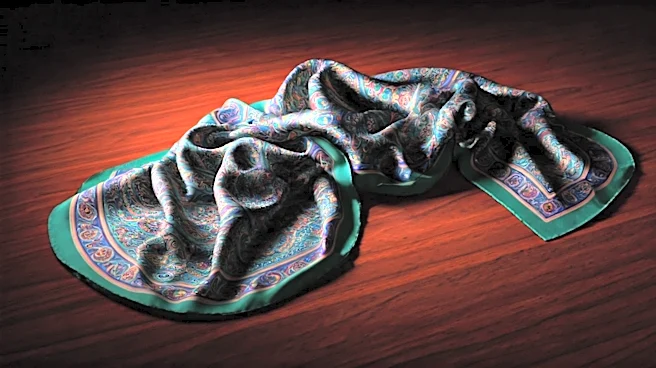
Pitti Uomo is not your average trade show. The main piazza outside the Fortezza da Basso transforms into an open-air runway where attendees, dubbed “Pitti Peacocks,” perform for an army of street-style photographers. In this highly photographed environment, every detail matters. An accessory needs to be visually striking and tell a quick story. A vibrant, patterned silk scarf does this perfectly. It adds a pop of color and texture to a tailored look, draws the eye upward to the face, and creates a sense of movement in still photographs. It’s a piece of sartorial punctuation, a deliberate flourish designed to get noticed and to telegraph a sophisticated understanding of style history.
How It's Worn Today
Crucially, the modern revival isn't a carbon copy of the past. Men at Pitti aren’t wearing ascots with smoking jackets. The contemporary interpretation is far more relaxed and versatile. The scarf is often a small, square *bandana* style, knotted tightly and worn with a simple crewneck sweater or even a t-shirt under a blazer. It might be tucked into the collar of a casual denim jacket or an overcoat, adding a touch of luxury to an otherwise utilitarian outfit. This fusion of high and low is central to modern menswear. The scarf becomes a tool to elevate the everyday, proving that decadent fabrics and historical references can feel current and accessible, not stuffy or dated.