





Few garments manage to be everything at once: practical, polished, relaxed, and powerful. The shirt dress is one of them. It's a chameleon in our closets, but its journey from a man's shirt to a fashion icon is a story of utility and rebellion.
Borrowed from the Boys
The story
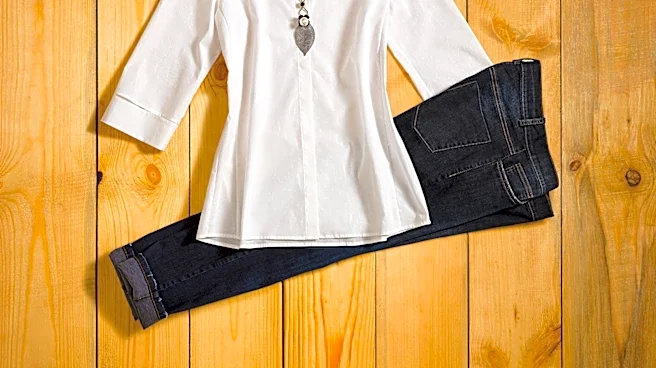
of the shirt dress begins with a simple act of appropriation. In the late 19th and early 20th centuries, as women began seeking more active roles in society, they looked to menswear for inspiration. The 'shirtwaist', a blouse tailored like a man's shirt, became the uniform of the so-called 'New Woman'. It was a quiet rebellion against the restrictive corsets and voluminous skirts of the Victorian era. Lengthening this top into a single garment was the next logical step, creating a dress that combined the formal structure of a button-front shirt with the ease of a one-piece outfit. This early version was all about function, serving as uniforms for nurses and as practical daywear for busy women.
An American Institution
While its origins were shared, the United States democratized the shirt dress. Thanks to mass manufacturing, it became accessible to women of all classes. By 1938, Vogue had already declared the garment 'An American Institution'. But two different visions would soon define its future. In America, designer Claire McCardell championed a version that was the epitome of practical sportswear. She used humble, washable materials like cotton and gingham to create unfussy, elegant dresses that gave women freedom of movement. Her designs, like the famous 'Popover' wrap dress, proved that everyday clothing could be both comfortable and chic.
The Dior Revolution
Across the Atlantic, a different kind of glamour was emerging. After the austerity of World War II, Christian Dior’s 1947 'New Look' collection was a sensation. It rejected wartime functionality for overt femininity and luxury. A key piece was Dior's take on the shirt dress, which featured a cinched waist and a full, voluminous skirt, sometimes requiring nearly 20 yards of fabric and worn over a stiff petticoat. This was the shirt dress reimagined as high fashion—structured, elegant, and unapologetically glamorous. It took the practical DNA of the shirtwaist and elevated it to couture, cementing its status as a symbol of post-war optimism and sophisticated style.
A Modern Power Play
From the 1960s onward, the shirt dress became a canvas for the times. During the feminist movements of the sixties and seventies, women adopted menswear-inspired styles as a form of sartorial rebellion, and the crisp shirt dress was a perfect fit. It could be a mini dress with a bold print in the Swinging Sixties or a more tailored, professional garment in the seventies and eighties, projecting confidence in the workplace. It became a go-to piece for women who wanted to look polished without sacrificing practicality. The shirt dress didn't shout for attention; it conveyed a sense of quiet authority and effortless competence, proving that strength and femininity could coexist beautifully in a single garment.
The Enduring Staple
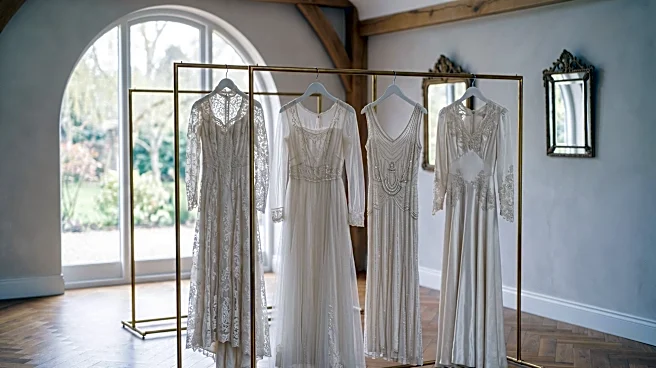
Today, the shirt dress remains a fixture for a reason: it continues to adapt. Designers constantly reinvent it, playing with hemlines, fabrics, and silhouettes, from crisp cotton poplin to flowing silk. It hangs in the closets of First Ladies, CEOs, and artists, a testament to its universal appeal. It has retained the best parts of its history—the practicality championed by McCardell and the elegance pioneered by Dior. The shirt dress is more than just an item of clothing; it's a symbol of modern womanhood itself, representing a journey from restriction to freedom and the enduring power of blending the practical with the elegant.