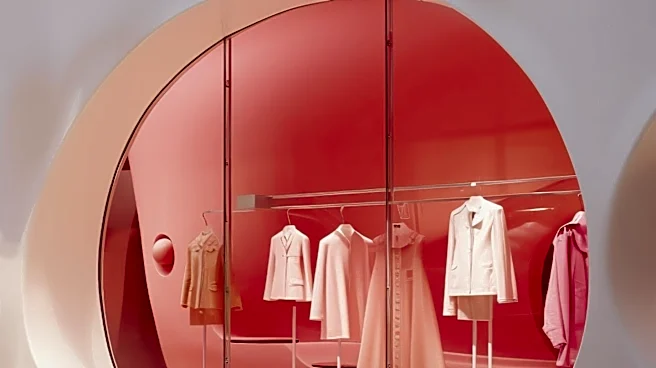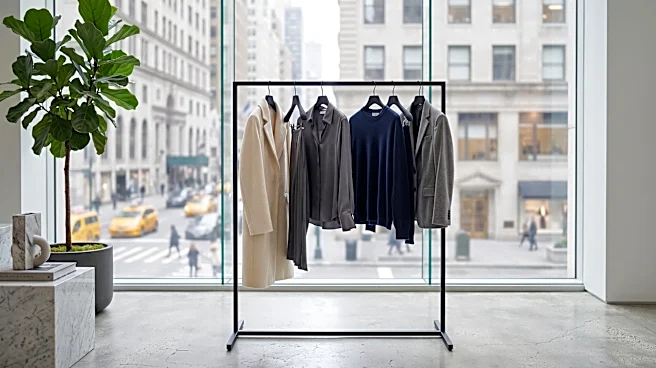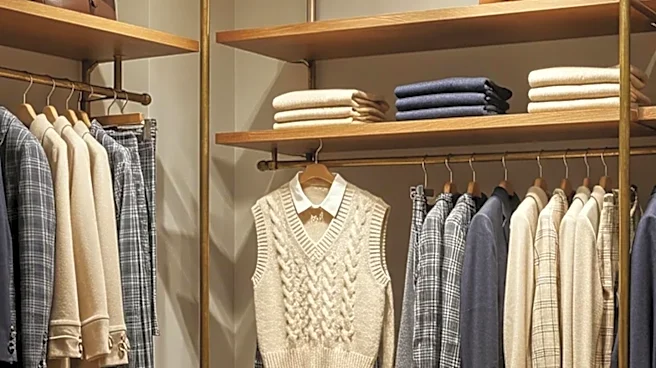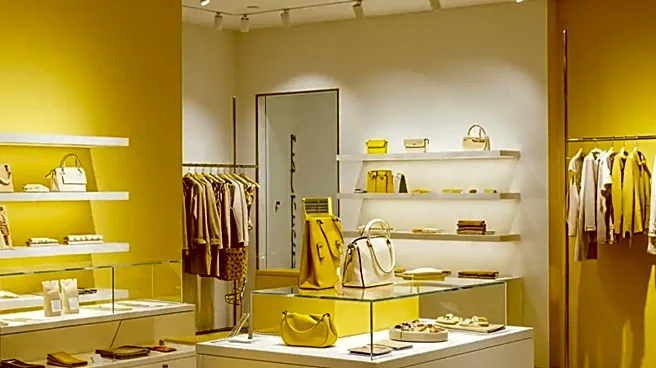






In a retail landscape littered with casualties of the digital age, Bergdorf Goodman remains a bastion of luxury and desire. Its secret isn't just what it sells, but how. What can its philosophy of fashion curation teach the rest of retail?
The High Priestess of Fifth Avenue
To understand
Bergdorf’s enduring magic, you have to understand the role of its chief tastemaker. For much of the last three decades, that energy has been personified by Linda Fargo, the Senior Vice President of the Fashion Office and Store Presentation. Hired in 1996, Fargo embodies a philosophy that predates her but which she has perfected: that a store's role is not merely to stock items, but to have a point of view. She and her team operate less like buyers and more like magazine editors or museum curators. They scout talent, shape trends, and decide on the overarching narrative for each season. This isn't about chasing algorithms or simply reacting to what sold last quarter. It’s about proactively shaping desire, a lesson that many modern retailers, obsessed with reactive data, have forgotten.
Lesson 1: Sell a Story, Not Just a Product
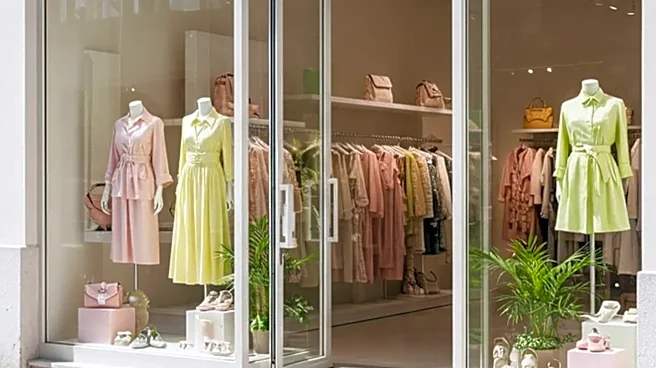
The first, and perhaps most crucial, lesson from the Bergdorf’s playbook is the power of narrative. Every corner of the store, from its famous Fifth Avenue windows to the arrangement of gowns on a rack, is designed to tell a story. This transforms shopping from a transaction into an act of discovery. While many retailers focus on volume and velocity, Bergdorf’s focuses on context and cohesion. Fargo’s job isn't just to find a beautiful dress; it's to decide how that dress fits into a broader story about modern elegance, art, or aspiration. For other retailers, this translates to moving beyond a simple grid of products online or endless racks in-store. It means asking: What is our point of view? What story are we telling our customers? In a world of infinite choice, a strong narrative is the ultimate filter.
Lesson 2: Make the Store a Theater
Long before 'experiential retail' became a buzzword, Bergdorf Goodman was perfecting it. Fargo herself once worked at Gap and found the mass-market world lacking the 'elegance, the theater' she craved. She brought that sensibility to Bergdorf’s, where the store itself is the main stage. This isn't just about lavish decor; it's about creating an atmosphere where customers feel they are part of something special. The lesson for today’s retailers is critical: a physical store cannot compete with the convenience of e-commerce on price or selection alone. It must offer something more—an experience, a sense of community, a reason to leave the house. It must become a destination. This principle applies whether you're selling $10,000 gowns or $10 candles. The feeling of being transported is a universal desire.
Lesson 3: Nurture Talent for the Long Term
Bergdorf Goodman has a long history of discovering and nurturing designers, from introducing ready-to-wear to an elite clientele decades ago to its RADAR program today for emerging talent. The store builds relationships, giving new designers a prestigious platform and helping to build their careers. This is a long game. While many retailers are pressured into stocking only proven, high-volume sellers, Bergdorf's understands that investing in newness and creativity builds brand equity and keeps discerning customers engaged. It creates a reputation not just as a seller of luxury goods, but as a genuine authority with its finger on the pulse of what's next. This builds a level of trust and loyalty that shortterm, salesdriven strategies simply cannot replicate.