





The Illusion of Perfection on Quarantine Island
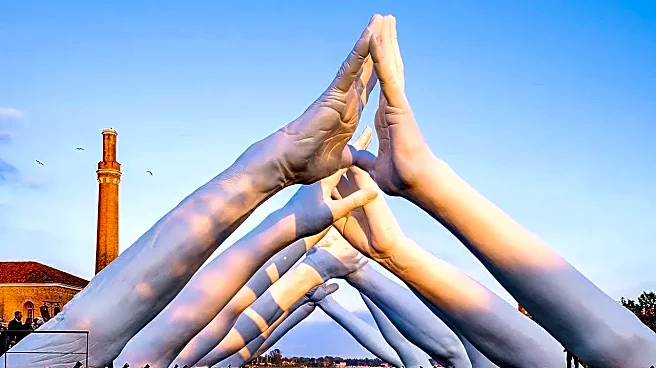
The setting itself is cinematic: Lazzaretto Vecchio, a small island in the Venetian lagoon once used as a quarantine station during the plague, is now home to the festival's cutting-edge Immersive section. Visitors step off a dedicated boat into dimly
lit rooms, where dozens of virtual, augmented, and mixed reality projects await. For the audience, the experience is curated and controlled. You book a time slot, an assistant helps you with the gear, and for anywhere from 15 to 60 minutes, you are transported. What you don't see is the frantic, last-minute problem-solving that makes this possible, a process curators Liz Rosenthal and Michel Reilhac have steered for a decade.
A Hardware and Software Nightmare
The first major hurdle is technology. Unlike a film screening with a standard projector, an immersive showcase involves a dizzying array of hardware. There are dozens of competing headsets, from PC-tethered rigs to standalone devices, each with its own software quirks and demands. Creators must ensure their project runs flawlessly on the specific hardware provided, often without the ability to test it on-site until the last minute. Technical difficulties are common, with even veteran creators experiencing glitches during a timed slot. As one curator noted, the headsets themselves can still be heavy and complex, creating a barrier for mass appeal. Add to that the challenge of running dozens of wireless devices in one location without interference, and you have a recipe for chaos. The software side is just as precarious, with teams often fixing bugs right up until the festival opens.
The Tyranny of Time and Money
Getting a project to Venice is a high-stakes race against an unforgiving clock. The call for submissions for the September festival closes in early May. If a project is selected in July, creators have just weeks to submit a detailed technical and installation plan for approval. The official on-site setup period is a compressed eight-day window in late August, where teams must build their spaces, install delicate equipment shipped from around the world, and pray everything survived customs and transit. This pressure is compounded by financial strain. Submission fees alone can cost up to €250, and that's before factoring in development, travel, and accommodation. Many of these projects are passion-driven, with one creator describing their accepted docufiction as an "independent, underfunded project made largely through curiosity." The Biennale College Cinema - Immersive program offers a grant of €75,000 for one project, but for most, securing funding is a major struggle.
The Fight for a Sustainable Future
Beyond the immediate challenges of production, creators and curators are grappling with a larger question: how to make immersive art sustainable. It’s a field where story-driven work struggles to compete with blockbuster attractions. Panels and discussions at the festival frequently address the need for viable revenue streams, from location-based entertainment to finding partners at the Venice Production Bridge market. For many artists, selection at a top-tier festival like Venice isn't just an honor; it's a crucial opportunity to secure follow-on funding and distribution that will allow them to keep creating. The festival serves as a vital ecosystem where the creative and commercial sides of the industry meet, hoping to turn groundbreaking art into a viable business.