

The New Uniform Is No Uniform
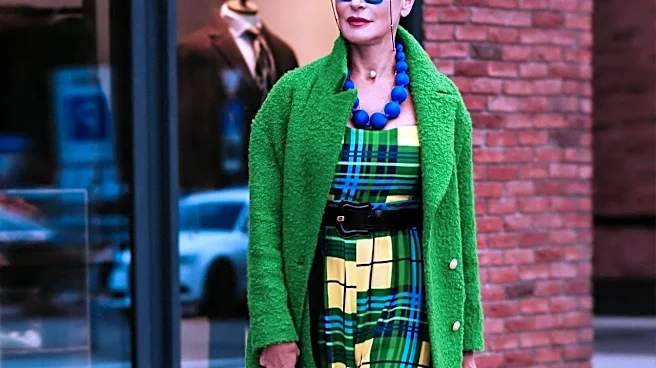
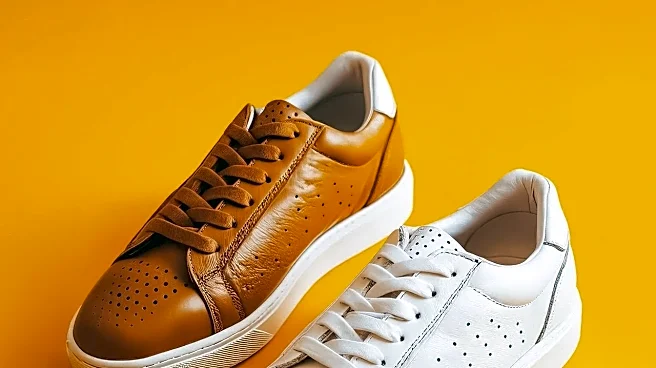
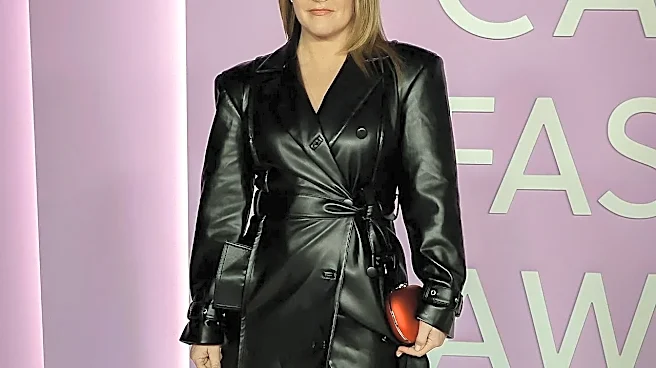
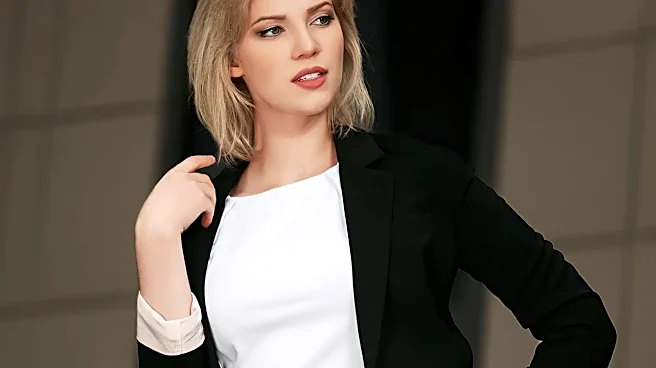
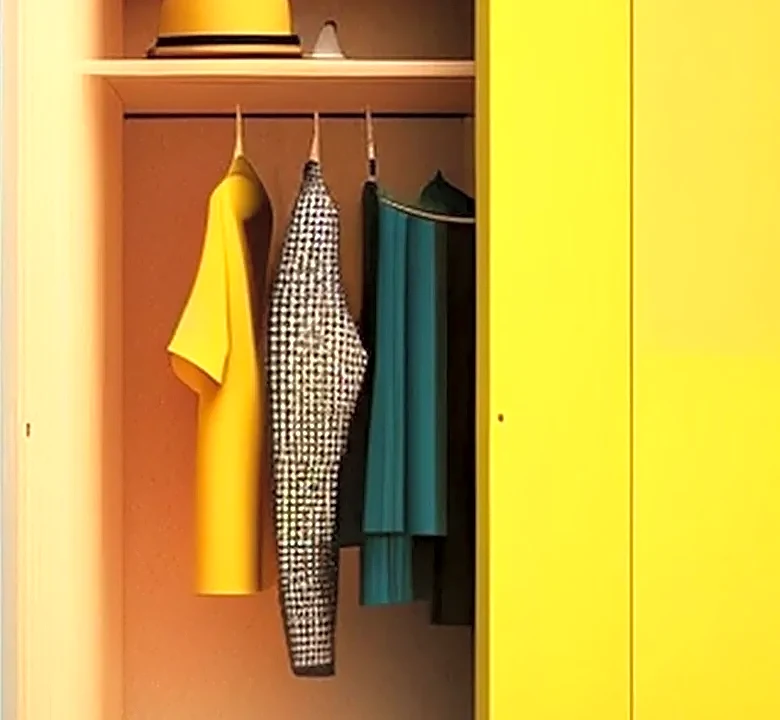
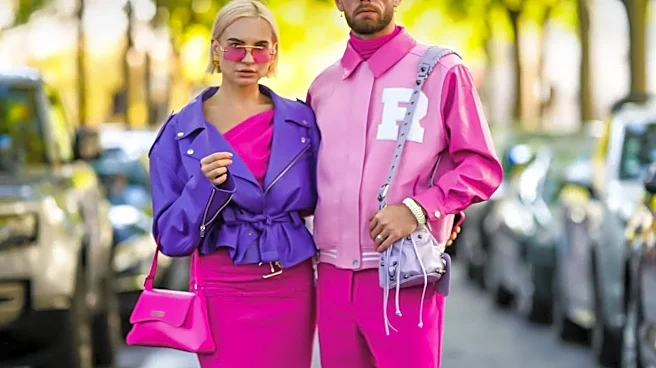
Walk into a modern office and you’ll see it: the rigid corporate uniform has been replaced by a fluid, eclectic mix of styles. Gen Z and younger millennials are pairing structured, oversized blazers with graphic tees or wide-leg trousers with minimalist
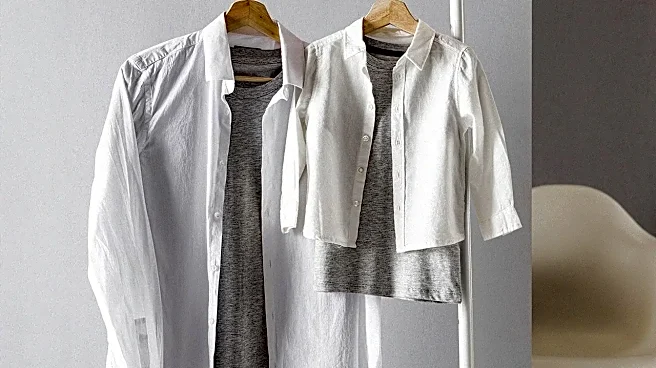
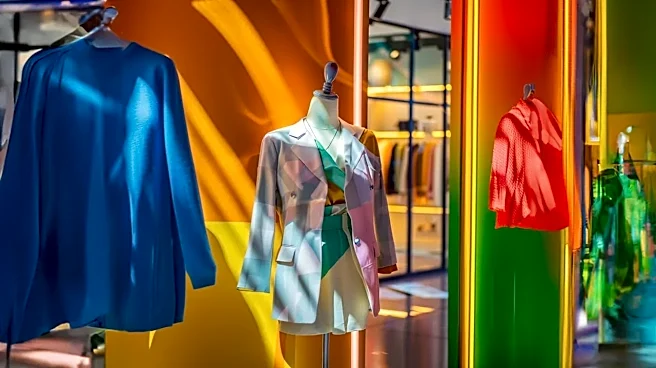
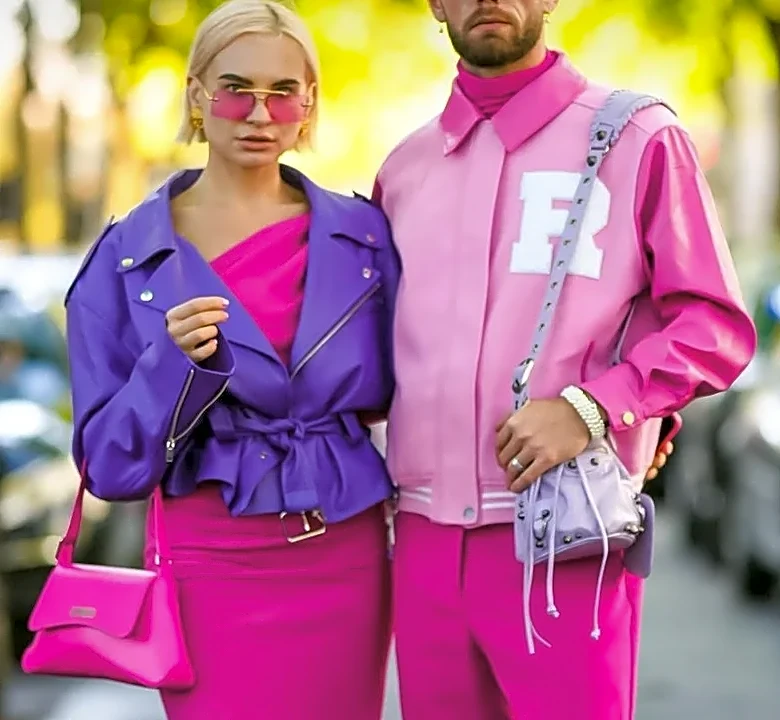
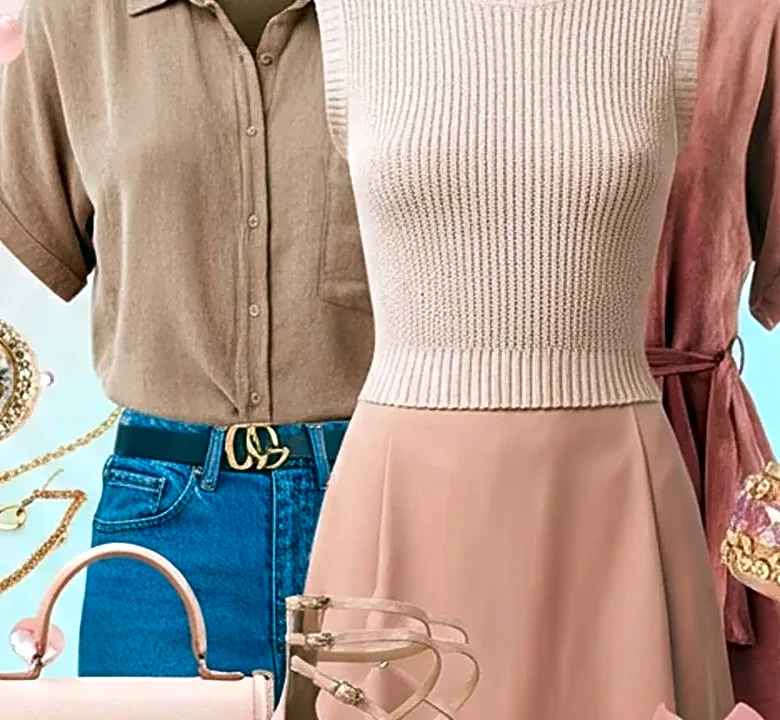
sneakers. This isn’t the sloppy anti-fashion of the early tech-boom; it’s a deliberate blending of high and low, formal and casual. Think soft, unstructured sport coats instead of hard-shouldered power suits, and clean, dark denim in place of pressed slacks. The aesthetic is less about conforming to a single ideal and more about creating a personal “workfit” that transitions from the desk to dinner. This new approach favors relaxed silhouettes, textural fabrics like corduroy and knits, and a wider color palette including olive, burgundy, and camel.
From Boardroom to 'For You' Page
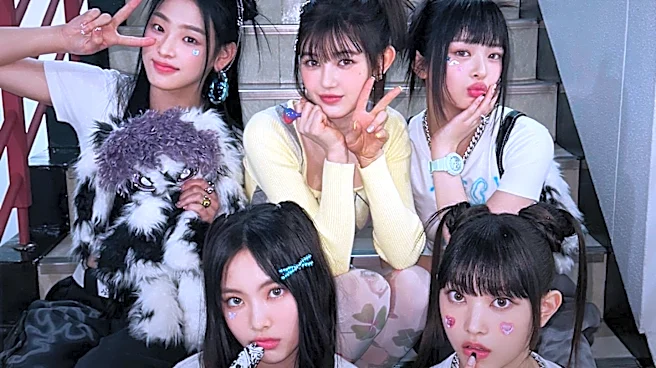
This evolution was accelerated by the pandemic, which severed the long-held belief that productivity requires formality. After years of Zoom meetings in comfortable attire, returning to the office didn't mean returning to the old rules. Instead, social media platforms like TikTok became the new arbiters of style, with trends like “office siren”—a sleek, 90s-inspired take on corporate wear—gaining viral traction. These platforms offer a visual library for a generation that largely missed out on learning dress codes through in-person office apprenticeships. For them, fashion is an extension of their personal brand, a way to signal creativity and confidence. The result is a work wardrobe influenced as much by online aesthetics as by corporate culture.
More Than Comfort, It's Authenticity
While comfort is a key driver, this shift is rooted in something deeper: a demand for authenticity. Younger employees increasingly expect to bring their whole selves to work, and their clothing is a visible part of that identity. They are challenging traditional dress codes that may favor one gender, culture, or body type, pushing for more inclusive standards that embrace natural hairstyles and cultural attire. This is about more than just wearing what feels good; it’s about wearing what feels true. Gen Z, in particular, views professionalism through the lens of creativity, honesty, and empathy, not just adherence to a suit-and-tie mandate. Their style choices reflect a core belief that individuality and competence are not mutually exclusive.
How Employers Are Adapting
Forward-thinking companies are recognizing that flexible dress codes are a powerful tool for attracting and retaining young talent. Many are replacing rigid rules with broader guidelines that trust employees to make appropriate choices. This shift acknowledges that professionalism is now judged more by results than by appearance. For managers, this means moving away from policing outfits and toward fostering an environment where diverse styles can coexist. Some companies are even providing employees with modular apparel kits that can be styled in multiple ways, embracing the new hybrid approach to dressing. Ultimately, the loosening of dress codes signals a deeper cultural change: a move toward a more humane and trusting workplace where employees feel empowered to be themselves.