







The Prestige of the Premiere
Let’s be clear: landing a gala screening at the Southbank Centre's Royal Festival Hall is a massive win. It’s the festival’s glittering centerpiece, a nearly 3,000-seat venue where the red carpet is rolled out and the world’s biggest stars assemble. For
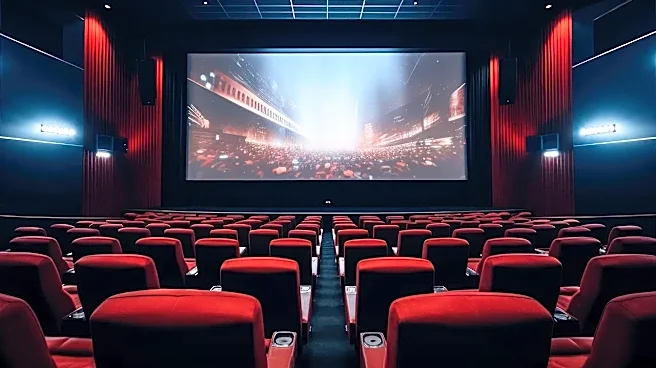
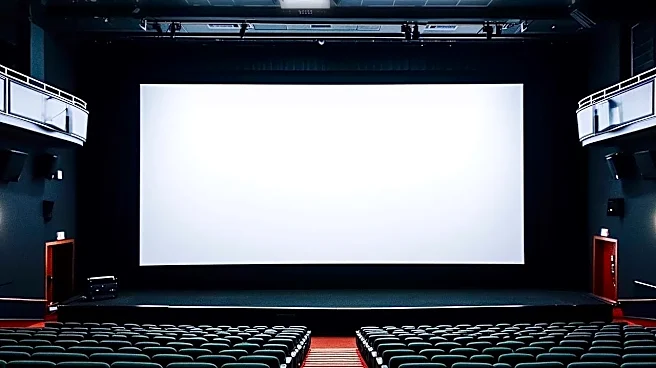
the 2026 festival, this is where the major premieres happen, complete with an immense 18-meter screen and high-spec surround sound installed just for the occasion. Getting your film on that screen means prestige, media attention, and the kind of launch that can build serious industry buzz. It’s a statement that your film is one of the most anticipated of the year, an event worthy of the grandest stage the festival has to offer. For bombastic blockbusters or sweeping epics, the sheer scale is part of the appeal, creating a sense of spectacle that can't be replicated.
When Intimacy Trumps Scale
But what if your film isn't a blockbuster? What if it’s a quiet, character-driven drama, a deeply personal documentary, or an experimental short? This is where the festival's other venues, like those at the BFI Southbank or the Curzon Soho, become essential. For these films, the vastness of the Royal Festival Hall can work against them. A story that relies on subtle expressions and hushed tones can get lost in a cavernous space. The artistic intent might be to create a feeling of closeness between the audience and the characters, a connection that thrives in a smaller, more focused environment. Research has shown that while bigger screens can increase a sense of 'presence', the type of content matters. Scenes focused on faces, for instance, create a strong sense of immersion that doesn't necessarily require an enormous screen to be effective. A packed 200-seat cinema, where every laugh and gasp is shared, can generate a more powerful and memorable collective experience than a half-full 3,000-seat hall.
The Director's Vision and Technical Fit
Beyond the mood, there are crucial technical considerations. Filmmakers obsess over a film's look and sound, and the screening venue is the final, critical piece of that puzzle. A film shot in a classic, boxy aspect ratio might look awkward or compromised on an ultra-wide modern screen. A delicate, atmospheric sound mix designed for a precisely calibrated theater might not translate properly in a temporary setup designed for spectacle. The BFI’s own venues, like the screens at BFI Southbank, are state-of-the-art facilities designed for year-round cinematic perfection. They offer a controlled environment where a director can be confident the audience is seeing and hearing the film exactly as intended. It’s about matching the film's DNA to the room's DNA. Some filmmakers even find that a quirky or unique venue, like those sometimes used for smaller festivals, adds to the film's identity and memorability.
The Festival's Curatorial Balancing Act
Ultimately, a festival lineup is a curated experience. The BFI London Film Festival programmers are not just picking films; they are placing them in conversation with each other and with the audience. The program is divided into thematic strands—like Love, Debate, Thrill, and Cult—to help guide viewers. Placing a confrontational documentary in the 'Debate' strand at an intimate venue like the Institute of Contemporary Arts (ICA) might be designed to spark a post-screening conversation that wouldn't happen in the anonymous grandeur of a gala hall. Similarly, a bizarre horror film in the 'Cult' strand might find its most appreciative audience at a beloved repertory cinema like the Prince Charles. The goal isn't just to show a film, but to give it the best possible launchpad. Success isn't always measured in the size of the screen, but in the passion of the audience and the life the film has long after the credits roll.