




Why the Loafer Reigns on Grass
Wimbledon isn't just any sporting event; it's a pillar of the British summer social season, where Pimm's cups and strawberries and cream are as much a part of the experience as the tennis itself. The style reflects this duality. You need a shoe that’s
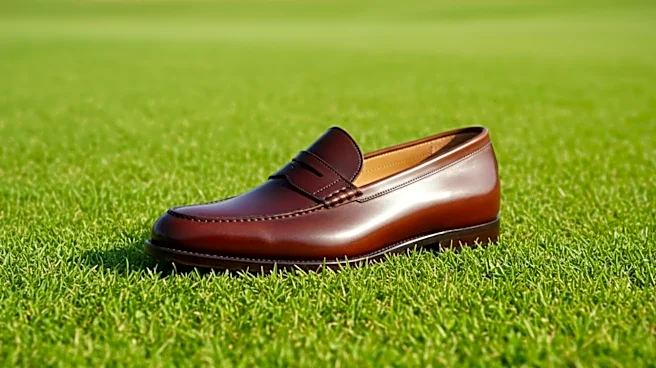
formal enough for the hallowed grounds of the All England Club but relaxed enough for a warm July afternoon. The loafer strikes this balance perfectly. It’s more sophisticated than a sneaker or a deck shoe, yet less stuffy than a heavily structured oxford or brogue. It projects an effortless elegance that says you understand the assignment: to look sharp without looking like you’re trying too hard. It's the ideal footwear for navigating everything from a seat on Centre Court to a stroll around the grounds.
The Hallmarks of an Investment-Grade Loafer
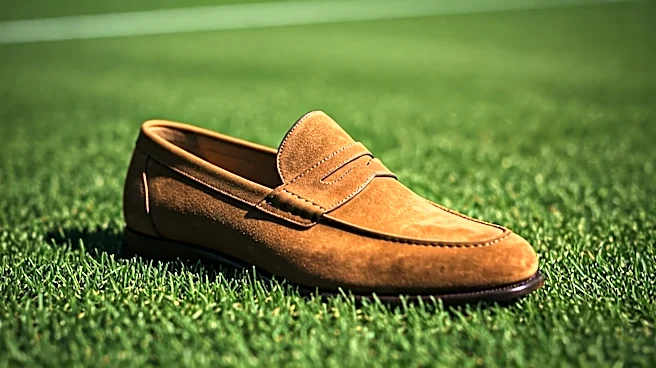
The word "investing" in the context of a shoe means looking beyond a single season. A true investment-grade loafer is defined by its materials and construction. For summer, and specifically for Wimbledon's variable climate, look to breathable materials. Unlined or half-lined loafers in soft suede or supple calfskin are ideal, as they mold to your foot and manage heat better than their stiffer, fully-lined winter counterparts. Pay attention to the sole; a flexible leather sole is classic, but high-quality rubber options offer better traction for walking and durability if you get caught in a sudden shower. Quality construction, like a Goodyear welt or Blake stitch, ensures the shoe can be resoled, extending its life for many Wimbledons to come. This isn't about a logo; it's about craftsmanship that endures.
Decoding the Spectator Dress Code
While general admission has no official dress code beyond avoiding overtly casual items like torn jeans or sports shorts, the atmosphere expects smart-casual attire. This expectation intensifies significantly in hospitality suites and debenture-holder areas. If you're fortunate enough to have an invitation to the Royal Box, the rules are explicit: men are required to wear a jacket and tie. A well-chosen loafer fits seamlessly into all of these scenarios. For general viewing, it elevates a pair of smart chinos and a polo shirt. For hospitality or the Royal Box, a polished leather tassel or penny loafer perfectly complements a lightweight linen or cotton suit, meeting the formal requirements without sacrificing seasonal comfort.
Key Styles to Consider
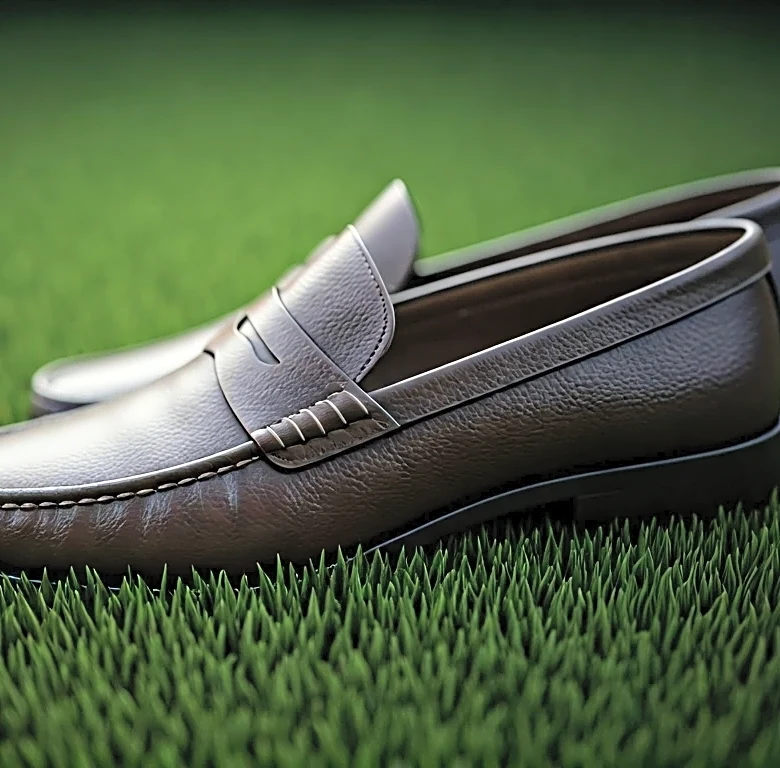
Not all loafers send the same message. The penny loafer is the quintessential preppy classic, versatile and timeless. It works with everything from tailored shorts to a full suit. The tassel loafer adds a touch of panache and is often seen as slightly more formal, making it a strong contender for pairing with blazers and tailored trousers. For a more continental and relaxed feel, the Belgian loafer, with its signature small bow, offers a slipper-like comfort and a refined silhouette. The choice depends on your personal style and the rest of your outfit. Think of it as casting a character: the penny is the reliable leading man, the tassel is the charming confidant, and the Belgian is the suave international visitor.
How to Style Them for Centre Court
The key to a successful Wimbledon look is coherence. Pair your loafers with fabrics that speak to the season. Lightweight tailoring is your best friend—think suits and separates in linen, cotton, or breathable wool blends in shades of navy, beige, olive, or cream. A pair of tan suede loafers with stone-colored chinos and a navy blazer is a can't-miss formula. For a bolder look, try dark brown tassel loafers with a cream linen suit. The sock question is perennial. In the heat of the day with chinos or tailored shorts, going sockless (or, more practically, wearing no-show socks) is the modern standard. If you're wearing a full suit, especially in a more formal enclosure, a pair of fine-gauge socks that complement your trousers is the safer, more traditional play.