



The Trend Trap and the Polyester Problem
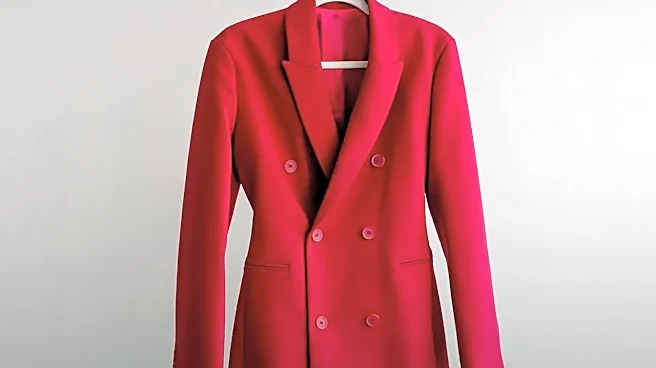
Another season, another deluge of must-have trends from the London runways. Within weeks, fast-fashion retailers will have translated those fleeting looks—the Victorian volumes, the sporty-chic layers, the specific shade of “hot sauce” red—into affordable,
tempting garments. This cycle is designed to make you feel behind, urging you to buy quickly to stay current. The engine of this machine is often polyester, the most common fiber in our clothes. Made from plastic, it’s cheap and versatile, allowing for rapid production that mimics runway styles. But that affordability comes at a cost. These garments are often designed for short-term appeal, not long-term wear, contributing to the millions of tons of textile waste that end up in landfills each year.
Your Secret Weapon: Fabric Literacy
The most effective tool against this persuasive cycle isn't necessarily a bigger budget, but better knowledge. Learning to read a clothing tag is like learning to read a nutrition label. It tells you what you're really getting. The difference between a garment that lasts for years and one that loses its shape after a few washes often comes down to the quality and type of fiber. Natural fibers like cotton, wool, linen, and silk have been used for centuries for a reason: they offer comfort, durability, and breathability. While synthetics have their place—a bit of elastic can add strength and flexibility—a garment that's 100% polyester or acrylic will behave very differently from one made of natural materials. Developing a feel for fabric quality is your first line of defense.
Reading the Red Flags on the Tag
So, what should you look for? Start by trusting your senses. High-quality fabric often feels more substantial and has a smoother, more consistent weave. Hold it up to the light; if you can easily see through a fabric that shouldn't be sheer, it's likely a loose, weak weave. Crumple a corner in your hand for a few seconds. If it emerges a wrinkled mess, it will likely behave that way in your wardrobe. A garment that springs back to shape suggests higher quality fibers that are more resilient. Be wary of vague labels. A tag that just says “silky feel” without mentioning silk is a red flag. While even natural fibers can be low-quality, a 100% polyester blouse is engineered for cost and appearance, not for breathability or longevity.
Natural Fibers vs. The Synthetics
Think of it as a performance difference. Natural fibers like cotton and linen are highly breathable, making them comfortable in various temperatures. Wool is a natural insulator with moisture-wicking properties. These materials often age gracefully, with linen getting softer over time and good cotton holding its shape. In contrast, many synthetics like polyester and acrylic are essentially plastics. They don't breathe well (which can make you feel sweaty and clammy) and are prone to pilling and holding onto odors. They also shed microplastics with every wash, contributing to water pollution. While recycled polyester is a step in a better direction, reducing overall reliance on new synthetics remains a more impactful goal.
Investing in Feel, Not Just Hype
As London Fashion Week continues to grapple with its own sustainability goals, with new requirements for designers pushing for more certified and recycled materials, the power ultimately shifts to the consumer. Instead of asking, “Is this trendy?” start asking, “How does this feel?” and “How will this last?” A well-made linen shirt or a sturdy cotton trench may have a higher upfront cost than a fast-fashion alternative, but its value is measured in years of wear, not weeks. This mindset shift transforms shopping from a reactive chase into a curated process. You begin building a wardrobe based on personal style and quality, not on a fleeting trend calendar. The most persuasive trends become those you genuinely love and can integrate into a collection of clothes built to last.