


1. Start With Smart Skin Prep
Long-wear makeup doesn't start with makeup; it starts with your skin. In high humidity, the goal is to hydrate without adding oil or heavy layers. Swap out your thick winter cream for a lightweight, gel-based, or oil-free moisturizer. This provides a smooth,
hydrated canvas without contributing to the inevitable slickness that comes with a muggy day. Let your moisturizer fully absorb for at least five minutes before moving on. This simple waiting period prevents your primer and foundation from pilling and creates a more stable base. Think of it as letting the primer for a paint job dry completely before you start painting.
2. Choose Your Primer Wisely
Not all primers are created equal, especially when facing down a wall of humidity. A mattifying, pore-blurring primer is your best friend. Look for silicone-based formulas, which create a barrier between your skin’s oils and your makeup. This barrier is what physically stops foundation from breaking down and sliding around. Apply a thin layer only where you need it most—typically the T-zone (forehead, nose, and chin) where oil production is highest. Over-applying primer can make makeup feel heavy and cakey, which is the opposite of the fresh, lasting look you’re after. It's a targeted tool, not an all-over mask.
3. Rethink Your Foundation Strategy
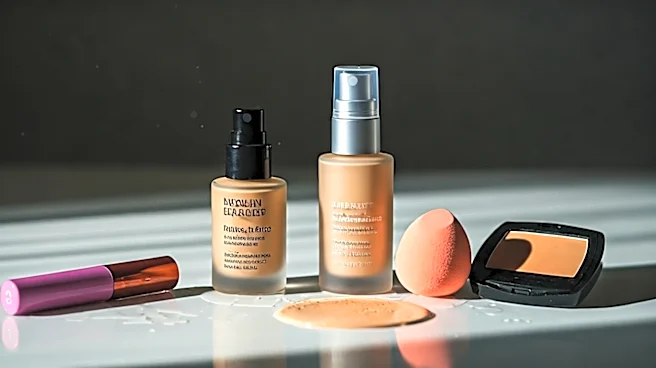
The impulse is to apply a heavy, full-coverage foundation to lock everything in, but this often backfires in the heat. Thick layers are more likely to look cakey and feel suffocating. Instead, opt for a long-wearing, water-resistant, or oil-free liquid foundation and apply it in very thin, sheer layers. Use a damp beauty sponge or a stippling brush to press the product into the skin rather than smearing it across the surface. This technique builds coverage where you need it without creating a heavy mask. For everyday wear, consider ditching foundation altogether in favor of a spot concealer and a tinted moisturizer or SPF.
4. Embrace Cream and Liquid Formulas
Powder products are humidity's first victim. Powder blush, bronzer, and highlight can absorb moisture from the air, becoming patchy or streaky as the day goes on. Cream and liquid formulas, on the other hand, tend to meld with the skin and are more resilient to sweat and humidity. A cream blush blends seamlessly and gives a natural, 'lit from within' glow that looks even better as it settles into the skin. A liquid highlighter will stay dewy, not greasy. For eyes, a long-wear eyeshadow primer followed by waterproof liquid or cream eyeshadow will prevent the dreaded creasing that happens within minutes of stepping outside.
5. Set Strategically, Don't 'Bake'
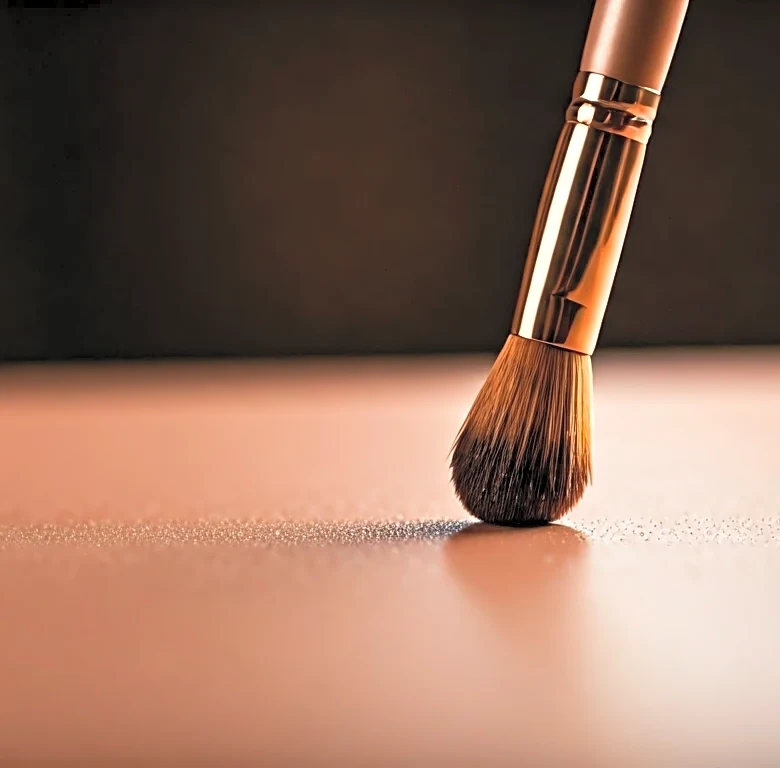
The YouTube trend of 'baking'—applying a thick layer of translucent powder and letting it sit—is too heavy for a humid climate. It can mix with sweat and create a pasty, cakey texture. Instead, be strategic. Use a small, fluffy brush to apply a minimal amount of a finely milled translucent setting powder only to the areas that tend to get the most oily, like your T-zone and under your eyes. The goal is to set the liquid and cream products you've applied, not to add another thick layer. A light dusting is all you need to reduce shine without adding weight.
6. Lock It Down With Setting Spray
This is the non-negotiable final step. A good setting spray acts like a flexible, breathable hairspray for your face. It locks all the layers of your makeup together and provides a final shield against the elements. For maximum staying power in extreme humidity, look for a spray that's specifically formulated for 'long-wear' or 'all-day' hold. Hold the bottle about 8-10 inches from your face and mist in an 'X' and 'T' formation to ensure you've covered your entire face. Let it dry completely without touching your skin. This final seal will be the difference between a midday meltdown and makeup that looks fresh into the evening.