


From Team Game to Primal Duel
For 60 minutes in hockey or 120 minutes in soccer, the game is a complex interplay of strategy, teamwork, and shared responsibility. A single mistake is often absorbed by the collective effort. But a shootout obliterates that dynamic. It transforms a sprawling
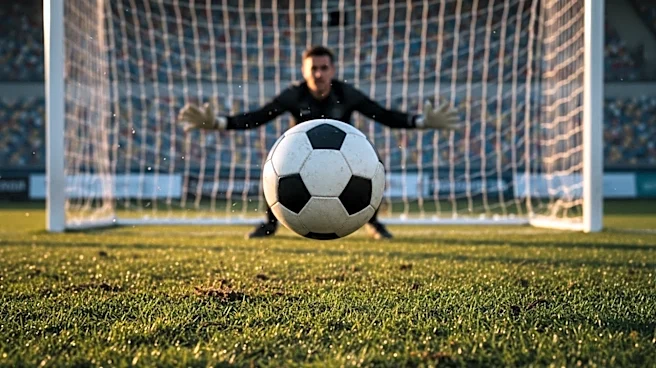
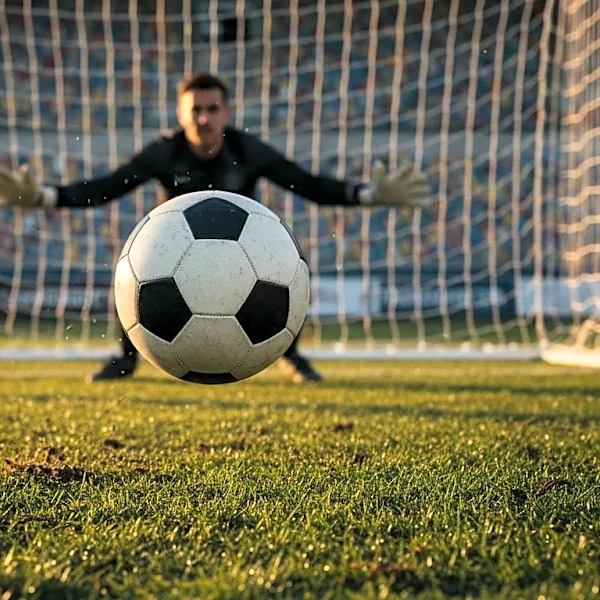
team sport into a series of stark, isolated, one-on-one confrontations. This sudden shift is jarring and intensely compelling. The psychology changes from 'we' to 'him.' All the nuanced tactics are stripped away, leaving only the shooter versus the goalkeeper—a primal test of skill and nerve that anyone can understand, regardless of how closely they followed the preceding game.
The Science of High-Stakes Pressure
The walk from the center line to the penalty spot or the slow skate toward the goalie is one of the most psychologically loaded journeys in sports. For the fan, the brain doesn't distinguish between watching a high-stakes event and experiencing a genuine threat; heart rates rise and palms sweat even on the couch. For the player, this is amplified immensely. Research shows a dramatic difference in success rates based on the situation. In soccer, a penalty kick that can win a match is converted about 92% of the time. But a kick where a miss means instant elimination? The success rate plummets to below 60%. This phenomenon, known as loss aversion, shows that the fear of losing is a much more powerful—and debilitating—force than the prospect of winning.
The Weight of a Single Moment
Unlike the flow of a game, a shootout is a collection of discrete, all-or-nothing moments. Each shot carries the weight of the entire contest. For a player, especially a superstar, this pressure is immense. Sports psychologists have found that players with higher public status can sometimes perform worse in these moments because the fear of public failure becomes overwhelming. It's no longer just about scoring; it's about not being the one who misses. That skate from the net back to the bench after a failed attempt is described by players as a lonely, brutal experience, where you feel every eye in the building is on you. The highs are incredibly high, but the lows are devastatingly low and solitary.
The Viewer's Shared Helplessness
Perhaps the biggest factor in turning a casual observer into a bundle of nerves is the total lack of control. For two hours, you can yell at the screen, cheer for a defensive stop, or groan at a bad pass. But during a shootout, you are rendered completely powerless. The outcome is binary—goal or save—and there is nothing anyone in the stands or at home can do to influence it. This shared helplessness creates a powerful bond of communal tension. Everyone is experiencing the same rollercoaster of emotions with every shot. In hockey, young fans often feel like they've 'won the lottery' when a game goes to a shootout, precisely because the drama is so pure and easy to follow.
An Instant Hero or Villain
The shootout is the ultimate narrative machine. In the span of a few seconds, a player can become an instant hero or an unfortunate villain. The goaltender, who is expected to fail, becomes a legend with every save. A player who scores the winning shot is etched into team lore, while the one who misses can be haunted by the moment. This creation of instant, high-stakes narratives is irresistible. We're not just watching a skills competition; we're watching legacies being made or broken in real-time. It’s a condensed, high-potency version of everything that makes sports dramatic, and it's a spectacle that is almost impossible to look away from, no matter how much your nerves may want you to.