




The Mistake Almost Everyone Makes
In the world of menswear, few items have the transformative power of a well-fitted vest, also known as a waistcoat. It can make you appear leaner, more put-together, and add a layer of intention to your look. But there's a common pitfall that plagues
off-the-rack options and instantly cheapens an outfit: incorrect length. Too often, a vest is either too short, revealing an unflattering sliver of shirt fabric above the trousers, or too long, creating a frumpy, disproportionate silhouette. That pesky gap of white or blue shirting between your vest and your belt is the number one signal of a poor fit, instantly undoing any style points you were hoping to score. It breaks the clean, vertical line that a vest is supposed to create, making the entire ensemble look disjointed and accidental. This single issue is what separates the men who look like they own their style from those who look like they borrowed a uniform.
The One Fix: Perfecting the Length
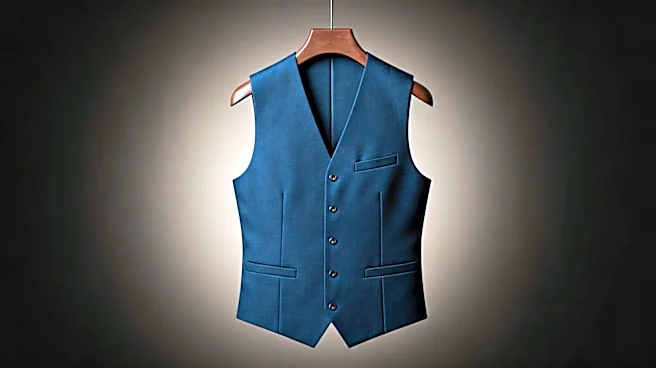
The single most crucial tailoring adjustment for a vest is ensuring it has the proper length. According to nearly every tailoring guide, a vest should always be long enough to completely cover the waistband of your trousers. No shirt fabric should be visible between the bottom of the vest and the top of your pants. This creates an unbroken, seamless transition from your torso to your legs, which is the key to a polished and expensive look. When you're at the tailor, this is your primary instruction. The pointed tips of a single-breasted vest should end about an inch below your trouser waistband, while the back remains just at the waistband's base. Achieving this perfect length means that whether you are standing, sitting, or moving, your silhouette remains clean and uninterrupted. It’s a subtle detail, but it’s the bedrock of a successful outfit.
Why This Adjustment Is Non-Negotiable
Fixing the length isn't just about following an old-school rule; it’s about controlling your proportions. A vest that covers the waistband elongates your torso and creates a streamlined effect, making you look taller and slimmer. It demonstrates a command of fit that signals luxury and attention to detail—far more than a brand name or pricey fabric ever could. Conversely, a vest that is too short visually cuts you in half, while one that is too long can make your legs appear shorter. It’s also important to know that while many aspects of a vest can be altered, the length is the trickiest and sometimes impossible to fix. A tailor can't add fabric, and shortening a vest significantly can throw off the balance of its pockets and button placement. This is why getting the length right when you buy is paramount, even if it means trying on multiple sizes to find one that nearly covers the waistband before you even see a tailor.
Secondary Tweaks for a Flawless Fit
While length is the hero adjustment, a few other tweaks will take your vest from good to great. First, focus on the body. A vest should skim your torso without pulling at the buttons or feeling tight. It should feel like a snug hug, not a squeeze. If it’s baggy, a tailor can easily take in the side seams for a closer fit. Most vests also have a back cinch or strap that allows for minor adjustments. Second, check the shoulders and armholes. The shoulder seam should sit squarely on your natural shoulder, and the armholes should be high and snug enough that there’s no gaping. Gaping armholes look sloppy and suggest the vest is too large. Finally, the neckline should gently hug the back of your shirt collar without any gaps. Getting these secondary details right, in addition to perfecting the length, ensures the entire garment works in harmony with your frame.