





The Stage Is the Star
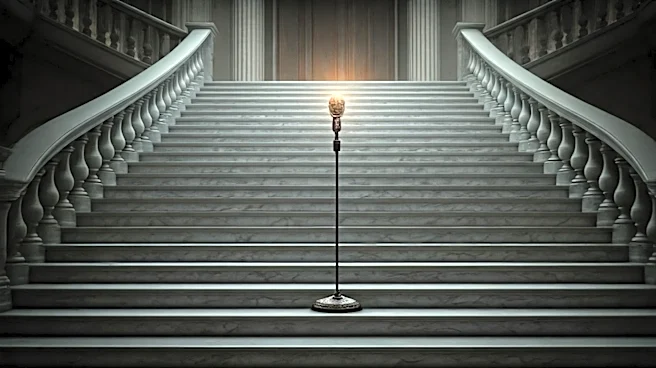
First, understand the architecture of the performance. The steps leading into the Grand Théâtre Lumière inside the Palais des Festivals et des Congrès are deliberately wide and relatively steep. This design isn't accidental; it forces a slow, deliberate pace. Stars can't just sprint up. They must ascend, turning to pose for the gantlet of photographers amassed below. This creates a natural stage. Unlike a flat red carpet, the incline puts the celebrity on a pedestal, literally elevating them above the fray. The bank of photographers, shouting and jockeying for position, creates a wall of sound and flashing lights that frames the scene. They are not just documenting the event; they are part of the spectacle, their collective roar serving as the audience's
applause.
A Fiercely Guarded Hierarchy
Not all who walk the steps are created equal. The Cannes red carpet operates on a strict, unspoken hierarchy. The most coveted slots, just before a film’s premiere screening, are reserved for the movie’s cast and director. They are the main event. Following them are the festival jury members, figures of immense prestige in the world of cinema. Then come the brand ambassadors. Official festival partners like L'Oréal and the jeweler Chopard pay handsomely for the privilege of having their chosen celebrities walk the carpet, draped in their products. Finally, you might see a smattering of supermodels, European royalty, or major influencers who have secured a ticket. Each group has its place, and their timing is meticulously scheduled to maximize media impact without overshadowing the film premieres themselves. Showing up uninvited or at the wrong time is a cardinal sin.
The Unwritten (and Written) Rules
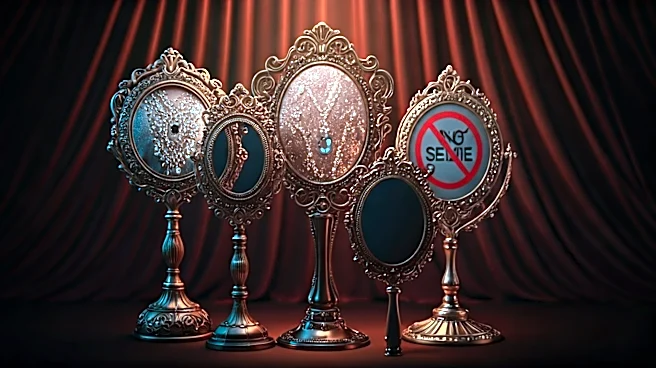
This theater has a demanding director. The festival enforces a notoriously strict dress code: black tie for men and evening gowns for women. While stars like Kristen Stewart have famously flouted the “no flats” convention in protest, the expectation of formal elegance is absolute. The most famous—and controversial—rule is the unofficial ban on selfies. In 2015, festival director Thierry Frémaux called them “ridiculous and grotesque,” believing they slowed down the procession and detracted from the glamour. While not strictly enforced with penalties, taking a selfie on these steps is seen as the ultimate faux pas, a sign that you don’t understand the sanctity of the event. The goal is to look outward at the world’s cameras, not inward at your own phone. You are there to be photographed, not to take photos.
A Transaction Dressed in Couture
Behind every breathtaking gown is a team and a transaction. The walk up the steps is the single most valuable piece of real estate in the fashion and jewelry industries. Stylists work for months to secure the perfect look for their A-list clients. A major star wearing a designer’s dress can generate millions of dollars in earned media value in minutes. Brands loan out priceless jewels, often accompanied by their own security details, for that brief moment in the spotlight. The 'credit'—the all-important list of who made the dress, shoes, jewelry, and clutch—is the currency. The celebrity gets to look like a million bucks (often, literally), and the brands get global exposure. It’s a perfectly symbiotic relationship where glamour is the product and the red carpet is the showroom floor.