



It’s Technical Gear, Not Preppy Cosplay
The first mistake people make is viewing a golfer’s outfit through a purely aesthetic lens. Today’s golf apparel has more in common with gear worn by marathon runners or cyclists than it does with casual menswear. Gone are the days of heavy cottons that
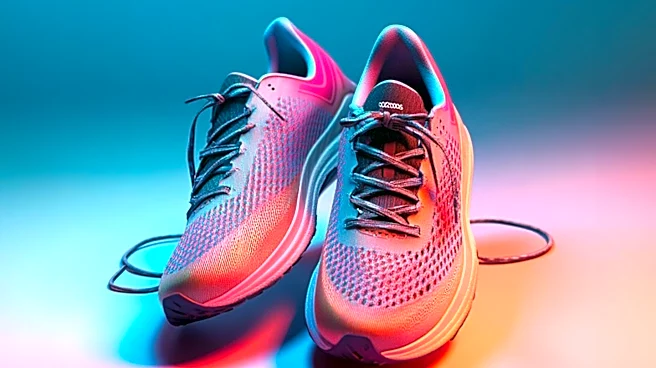
absorb sweat and restrict movement. Modern golf clothing is a marvel of material science, engineered for peak athletic performance. Fabrics are designed to be lightweight, moisture-wicking, and breathable to keep a player cool and focused over a four-plus-hour round. They incorporate four-way stretch to allow for a full, unimpeded range of motion in the golf swing—a complex rotational movement that engages the entire body. Many garments also offer significant UV protection, a crucial feature for athletes spending hours under the sun. When a player’s clothes pinch, pull, or feel heavy, it’s a distraction that can directly impact their mechanics and mental state. This isn't just fashion; it's equipment.
The Psychology of a Sunday Uniform
There’s a reason Tiger Woods wearing a red shirt on Sunday became one of the most iconic and intimidating sights in sports. It wasn't just a style choice; it was a psychological weapon. This phenomenon is known as "enclothed cognition," the idea that the clothing we wear can influence our thoughts, feelings, and behavior because of its symbolic meaning. For Woods, the tradition started with his mother, who believed red was his power color. It soon became a symbol of dominance and focus, both for him and his competitors. When athletes put on their uniform, it signals a mental shift into performance mode. A well-fitting, empowering outfit can boost confidence and reinforce a positive self-image, freeing up mental bandwidth for strategy and execution. The color itself can play a role, with red often being linked to dominance and aggression in competitive settings. In a game as mental as golf, the edge gained from feeling powerful and looking the part is very real.
A Walking, Talking Billboard
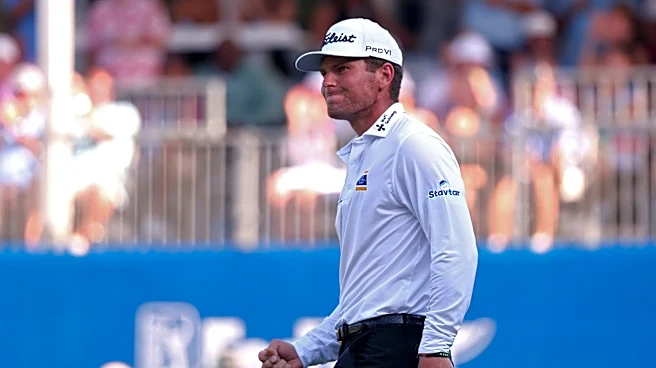
While an outfit can influence the player, its primary role for a professional is often influencing the public. Top golfers are walking billboards, and their apparel is the most valuable advertising space they have. Endorsement deals for clothing and hats are a massive revenue stream, with brands paying elite players millions annually to act as ambassadors. Nike's partnership with Tiger Woods, which lasted 27 years, is perhaps the most famous example, but every player on tour is part of this ecosystem. A player’s scripting—the outfits planned for them for each day of a tournament—is a carefully orchestrated marketing strategy. When a player is in contention and getting significant television time, the exposure for their apparel sponsor can be worth tens of millions of dollars in media value. This commercial reality drives the industry, dictating not just who wears what, but the very design of the clothes themselves, balancing brand visibility with the performance needs of the athlete.
Tradition vs. A New Generation
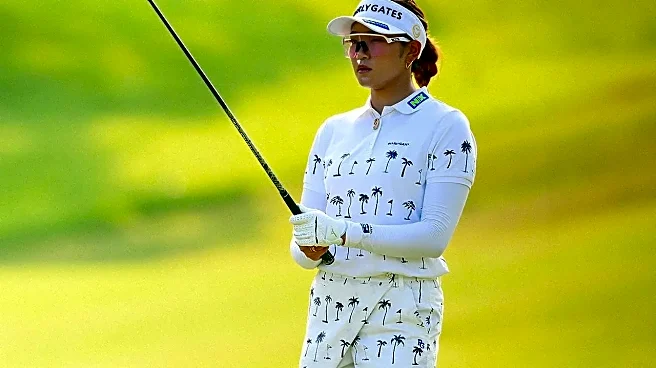
Golf fashion has always been a conversation between its past and its future. The sport's history is rooted in tradition, with dress codes that evolved from the tweed jackets of 19th-century Scotland to the familiar collared shirts and trousers of the 20th century. These rules were originally about maintaining a certain decorum and reflecting the game's status. But today, a new generation of players is using fashion to push those boundaries, express individuality, and make the sport more accessible. We're now in an era where streetwear-inspired joggers, hoodies, and spikeless shoes are becoming common on the course, reflecting a broader cultural shift towards blending athletic wear with everyday style. This creates a fascinating tension: the stuffy, exclusive image the fashion press often mocks is precisely what many modern players and brands are actively dismantling, one outfit at a time. Their clothing isn't just an afterthought; it’s a statement about where the game is headed.