






Beyond Beige Minimalism
For decades, Scandinavian design was synonymous with strict minimalism and a muted, neutral palette. But the recent wave of Danish fashion brands that have captured global attention tells a different story. While clean lines and functionality remain,
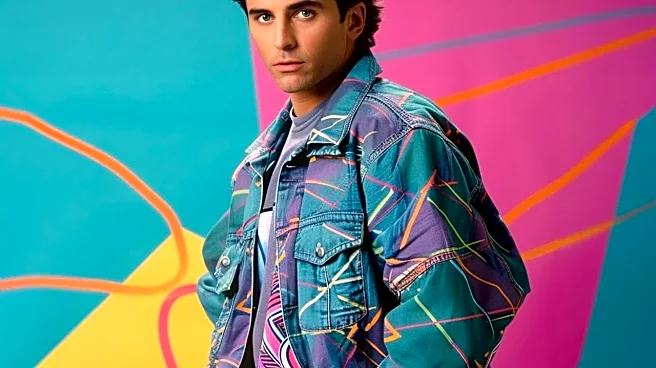
they are now infused with a joyful, unapologetic use of color and print. Brands like Ganni and Stine Goya have built their identity on this very principle, offering up playful patterns, bold silhouettes, and unexpected color combinations that feel both sophisticated and fun. This isn't minimalism; it's personality-driven style that rejects the idea that everyday clothes have to be boring. It’s a rebellion in pastels and prints, proving that thoughtful design can and should include a dose of exuberance.
Dressed for an Actual Life
At its heart, Danish style is profoundly practical. It’s clothing designed for a life in motion, whether that means biking through Copenhagen, running between work and daycare, or navigating unpredictable weather. This emphasis on functionality means prioritizing comfort, quality materials, and versatile pieces that can be layered. Think flat shoes or chunky sneakers with a voluminous dress, or a tailored suit worn with a casual tee. It’s a philosophy that reflects the Danish concept of hygge—a sense of coziness, contentment, and well-being. The clothes are not just for show; they are meant to be lived in, effortlessly bridging the gap between looking good and feeling comfortable enough to enjoy daily life.
The New 'Democratic' Luxury
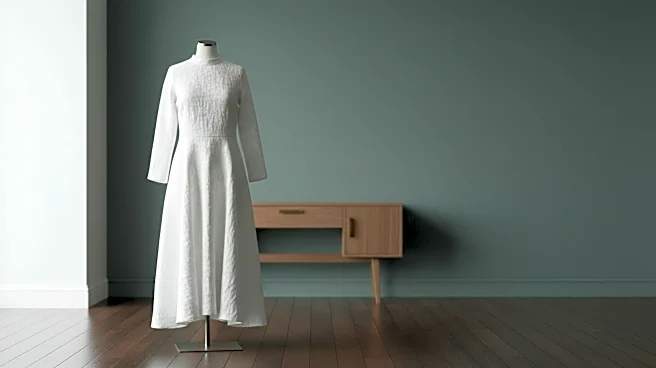
Danish fashion has masterfully carved out a space between fast-fashion disposability and the untouchable world of high luxury. Brands like Cecilie Bahnsen, known for its voluminous, couture-like dresses, still present their creations as items to be worn in daily life, not just stored for special occasions. This approach has been dubbed a form of “democratic luxury.” The price point is an investment, but not an impossible one, and the focus is on enduring quality and timelessness rather than fleeting trends. Consumers are buying into craftsmanship and a design ethos they can cherish for years, with pieces intended to be passed on, re-styled, and integrated into a real wardrobe.
The Brands Defining the Movement
Several key players have been instrumental in shaping this global perception. Ganni is perhaps the most famous, known for its certified B Corp status and its ability to balance playful prints with Scandi coolness. Stine Goya was founded explicitly to counter the prevailing minimalism with bold colors and artistic prints. Cecilie Bahnsen operates at the intersection of ready-to-wear and couture, bringing intricate, romantic details into everyday femininity. Meanwhile, brands like ROTATE cater to a more glamorous, party-centric aesthetic, and Baum und Pferdgarten has been a mainstay with its mix of classic staples and vibrant designs for over two decades. Together, they form a diverse ecosystem that showcases the breadth of modern Danish style.
Sustainability as a Standard, Not a Buzzword
Copenhagen Fashion Week has distinguished itself by making sustainability a mandatory requirement for participating brands. Since 2023, designers must meet a set of 18 minimum standards covering everything from strategic direction and material choices to working conditions and consumer engagement. For instance, at least 50% of a collection must be certified, upcycled, recycled, or made from next-gen sustainable materials. This commitment has resonated with a new generation of consumers who demand more transparency and responsibility from the fashion industry. It positions Danish fashion not just as an aesthetic choice, but an ethical one, adding another layer of value to its vision of modern luxury.