







More Than Tinsel and Turkey
Think of holiday television, and your mind likely conjures a specific aesthetic. It’s the warm glow of a Christmas tree in a sitcom living room, the contrived chaos of a Thanksgiving dinner episode, or the star-studded musical numbers of a New Year's
Eve broadcast. For generations, these specials have served as cultural comfort food—predictable, family-friendly, and largely disconnected from any historical weight beyond broad, secular themes of togetherness. They are designed for maximum appeal and minimal friction, functioning as a gentle, celebratory backdrop to the season. The primary goal has always been to evoke a feeling, not to provoke a thought. This formula, while successful, has also created a pop culture landscape where holidays are often stripped of their deeper, sometimes difficult, origins in favor of sanitized, marketable joy.
A New Canon of Celebration
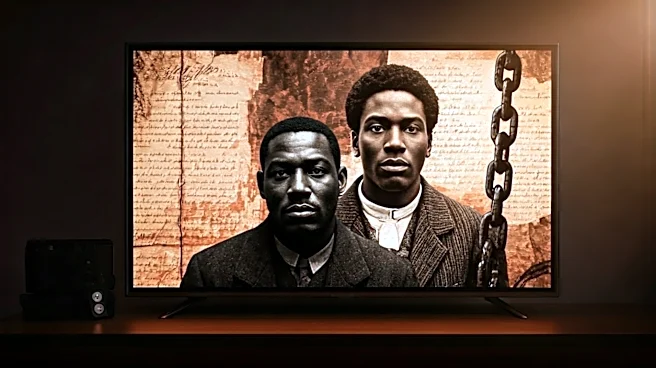
The emergence of Juneteenth as a federal holiday in 2021 accelerated its arrival on the pop culture main stage, and television has been a primary venue. But instead of simply replicating the old holiday special template, Juneteenth programming has forged its own path. Look no further than the groundbreaking 2017 episode of ABC's *black-ish*. Titled "Juneteenth," the episode was a full-blown musical, using original songs by The Roots to deliver a vibrant, animated history lesson on the holiday's origins—from the Emancipation Proclamation to General Order No. 3. It was audacious, educational, and profoundly entertaining. Similarly, Donald Glover’s *Atlanta* tackled the holiday with its signature surrealism in an episode that satirized the bougie, performative, and often clueless celebrations of a newly mainstream Black holiday. These aren't isolated events; networks like OWN and CNN have also produced specials that mix celebration with deep historical and social commentary.
History Class, but Make It Entertaining
What makes this programming so different is its unapologetic educational mission. While a Christmas episode might teach a lesson about the “spirit of giving,” a Juneteenth episode teaches American history—often, a chapter that was glossed over or entirely missing from school curriculums. The *black-ish* episode doesn't just mention Juneteenth; it explains *why* it took more than two years for enslaved people in Texas to learn of their freedom. It’s entertainment as a Trojan horse for essential knowledge. This approach fundamentally changes the contract between a holiday special and its audience. It asks viewers not just to feel, but to learn and reflect. It presumes that celebration and critical thinking are not mutually exclusive. Instead of providing pure escapism, Juneteenth TV offers engagement, rooting its festive elements in the very real, and often painful, context from which the holiday was born.
Navigating a Complex Tone
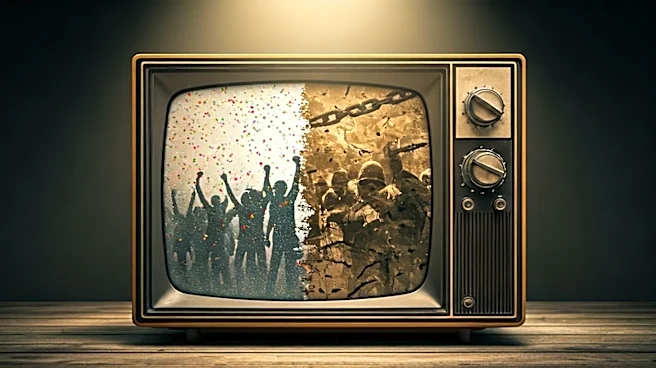
This commitment to history introduces a tonal complexity rarely found in traditional holiday fare. Juneteenth is, by nature, a holiday of dualities: it celebrates freedom while simultaneously acknowledging the brutal system of slavery that made that freedom necessary. The best Juneteenth television leans into this complexity. The *Atlanta* episode, for instance, is hilarious in its send-up of a white man who fancies himself a “Black history expert” and the awkward commercialization of the day. But beneath the satire is a poignant critique of how Black culture and history can be co-opted and misunderstood. It captures the joy of a Black cultural gathering while also exploring the unease that comes with seeing that culture become a commodity. These shows refuse to offer simple, happy endings. Instead, they present a more honest picture of what it means to celebrate a holiday that is inextricably linked to struggle and resilience.
From Meaning to Marketing?
As Juneteenth solidifies its place in the American cultural calendar, the biggest question facing its pop culture representation is the threat of dilution. Will the sharp, educational, and challenging nature of these early specials survive mainstream acceptance? The *Atlanta* episode was, in many ways, a preemptive warning against the “Juneteenth sale” emails and branded ice cream tubs that inevitably followed the holiday’s federal recognition. The challenge for creators moving forward will be to preserve the holiday's historical weight and radical core in the face of commercial pressures that favor simplification. For now, however, Juneteenth programming offers a powerful blueprint for a new kind of holiday moment—one that proves pop culture can celebrate, educate, and critique all at the same time.