







The Myth: A Critical Failure
The headline claim that the film was 'panned' suggests a deluge of negative reviews. This simply wasn't the case. The film received generally positive notices, securing four Academy Award nominations, including for Best Picture. On Rotten Tomatoes, it holds
a respectable 78% score from critics. However, that number hints at the real story: it wasn't universally adored, and the praise wasn't unqualified. Unlike director Frank Darabont's nearly perfect The Shawshank Redemption, The Green Mile had a rockier path to consensus classic status, and the reasons why reveal a lot about late-90s cinema.
The Reality: Too Long, Too Sentimental
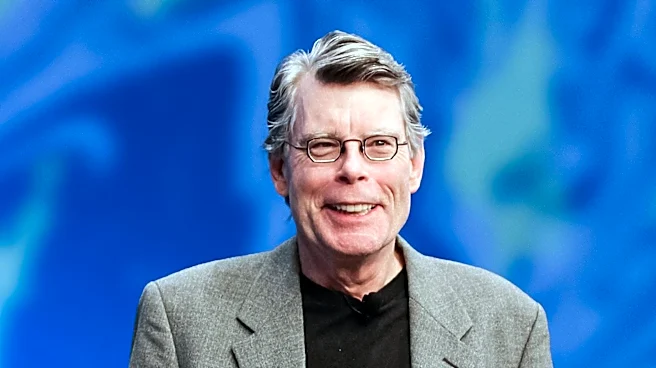
A major point of contention for many critics was the film's marathon runtime of over three hours. While some, like Roger Ebert, felt the length allowed the story to breathe, others found it lumbering and self-important. Critics also took aim at what they perceived as overt sentimentality. Some reviewers found the film's earnest, feel-good moments to be at odds with its grim death-row setting, describing it as saccharine. Even Stephen King, who wrote the original novel, affectionately joked that Darabont had created 'the first R-rated Hallmark Hall of Fame production.' This clash between brutal subject matter and a gentle, magical touch left some prominent critics cold.
The 'Magical Negro' Problem
Beyond length and tone, the most significant and enduring criticism leveled against The Green Mile involves its depiction of John Coffey. He is a prime example of the 'magical Negro' trope, a term popularized by director Spike Lee. The trope refers to a Black character who exists mainly to aid the white protagonist's journey, often possessing folksy wisdom or, in this case, supernatural powers. Coffey's character, a gentle giant with the power to heal but who is ultimately helpless to save himself, was seen by some as a simplistic and problematic characterization. This critique, which was present in 1999, has only grown more pronounced in the decades since, complicating the film's legacy.
What Everyone Agreed On
Even the film's harshest critics, however, found plenty to praise. The performances were almost universally lauded, especially from Tom Hanks as the empathetic prison guard Paul Edgecomb and, most notably, Michael Clarke Duncan as John Coffey. Duncan's powerful and heartbreaking performance earned him an Oscar nomination and was widely seen as the soul of the movie. Darabont's direction, particularly his skill at crafting an immersive, atmospheric world, was also frequently singled out for its quality, even by those who didn't care for the story's more fantastical elements.
A Verdict Rendered by the People
If some critics were divided, audiences were not. The film was a massive box office success, more than quadrupling its $60 million budget. In the years since, its stature has only grown. Through home video and constant television airings, The Green Mile bypassed any initial critical skepticism and became a beloved cultural touchstone. Its 94% audience score on Rotten Tomatoes tells the story of a film that connected with viewers on a deep, emotional level. The criticisms remain valid points of discussion, but they have done little to diminish the powerful bond audiences have forged with the film.